Choosing the best legal Mini Vapes for global buyers requires more than comparing flavors, battery size, or sleek packaging. Adult consumers should examine local rules, nicotine limits, product registration, and import restrictions before purchasing. A compact device may fit beside a passport, yet its compliance label matters more than its pocket-friendly shape.
Dr. Konstantinos Farsalinos, a recognized vaping researcher, has stated, “Vaping is not harmless, but it is considerably less harmful than smoking.” This warning deserves attention. Mini Vapes are not risk-free products, and they should never target young people or non-smokers. Responsible buyers should check ingredient disclosures, manufacturer details, batch numbers, and clear age warnings. Small details matter.
A reliable model should have consistent vapor output, secure charging protection, and packaging that remains intact. Look for traceable customer support. Avoid products with unclear origins or exaggerated health claims. Regulations change quickly, sometimes without much notice. A device accepted in one country may be restricted in another, especially if it is disposable or contains nicotine. This guide compares legal options through a practical lens, including portability, build quality, transparency, and regional usability. Some rankings remain imperfect. Testing conditions differ, and buyer priorities are never identical. Still, careful verification can reduce costly mistakes and support more informed adult choices.
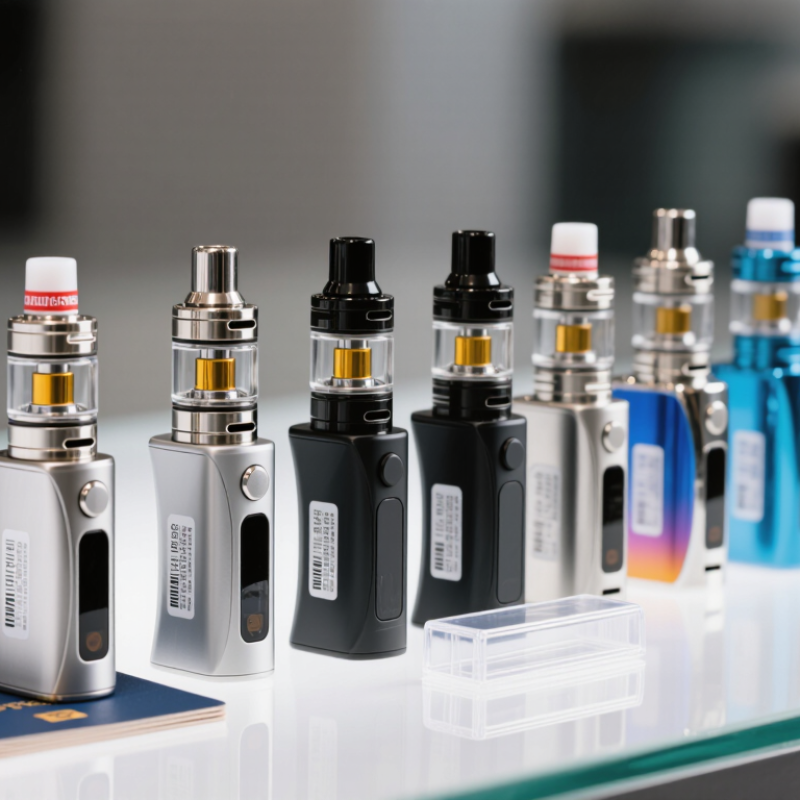
In 2026, a legal mini vape is not defined by its small size alone.
Legality depends on the destination’s rules, product category, ingredients, and sales channel. A compliant device should carry accurate labeling, batch details, safety warnings, and clear manufacturer information. It should also meet local limits for capacity, power, and regulated ingredients, where applicable.
Documentation matters. A serious supplier can provide laboratory reports, material disclosures, battery safety records, and age-control procedures. The packaging should match the product inside. No vague claims. Customs descriptions must be honest and specific. Buyers should check official health, customs, and consumer-protection guidance before ordering. Rules can change quickly.
The difficult part is admitting that “global” rarely means one universal standard. A product accepted in one country may require different packaging elsewhere. Some markets restrict online sales, flavor descriptions, or disposable formats. A careful buyer checks the destination first, not after shipment. Keep invoices and compliance files. They may be needed later.
Small devices still deserve serious testing. A neat package can hide a compliance gap. Even experienced buyers miss this occasionally.
A legal mini vape in one country may be restricted in another. Buyers should check official health, customs, and consumer-safety websites before ordering. Regulations can change quickly. Product pages often lag behind.
Across the European Union, nicotine strength, tank capacity, packaging, and warning labels follow shared rules, but enforcement can vary. The United Kingdom has similar product controls, with registration and labeling requirements for lawful sales. Canada also limits nicotine concentration and requires approved packaging. These markets may allow compact devices, but age checks and local taxes still apply.
The United States is more complicated. Federal rules cover tobacco products, while states and cities may add flavor, tax, licensing, or online-sales restrictions. Australia has strict therapeutic-goods controls, and personal import rules can involve prescriptions or quantity limits. Some markets prohibit consumer vaping products altogether. Singapore is a clear example of a place where possession and use can create serious legal risk.
For global buyers, “best” should mean compliant, traceable, and suitable for local rules. Look for batch information, clear nicotine disclosure, child-resistant packaging, and a responsible seller. Avoid products with unclear ingredients or exaggerated health claims. A compact design is convenient, but it does not make a product legal. This distinction is easy to miss. Even careful research can become outdated, so checking the destination’s current government guidance remains essential.
2026 Best Legal Mini Vapes for Global Buyers?
Key Features to Compare in Mini Vape Devices
For adult buyers, legality should be checked before device performance. Rules differ by country, state, and sometimes city. Confirm age requirements, product registration, nicotine limits, and import restrictions through official government sources. A compliant device should carry clear manufacturer details, batch information, safety warnings, and accurate ingredient labeling. Vague packaging is a warning sign.
Size is only one factor. A useful mini vape should feel balanced in the hand and fit securely inside a pocket. Check battery capacity, charging time, and protection against overheating or short circuits. USB-C charging is convenient, but a certified charger still matters. Poorly designed ports can collect dust and become unreliable. I have found that simple airflow controls often work better than decorative displays.
Look closely at leak resistance. Inspect the mouthpiece, seals, and liquid chamber before use. The vapor output should remain consistent after several short sessions. Independent laboratory testing adds credibility, especially when claims concern materials or emissions. However, testing documents can be incomplete or outdated. That detail is easy to miss. Choose recyclable components where local facilities accept them, and follow regional disposal guidance for batteries and electronic waste. A lower price may seem attractive, yet replacement costs and unclear support can make it less practical over time.
Mini vapes may look simple, but global buying requires careful legal and safety checks. Rules differ sharply by country. In the European Union, the Tobacco Products Directive limits nicotine liquid to 20 mg/ml and disposable tanks to 2 ml. Packaging must also include warnings, ingredients, and child-resistant features. The European Commission’s regulatory framework confirms these requirements. A product sold legally in one market may fail another market’s rules.
Safety evidence remains incomplete. The World Health Organization reports that electronic nicotine products are not harmless, and long-term effects remain uncertain. Check the nicotine concentration, ingredient list, sealed packaging, and manufacturing details. Avoid products with leaking liquid, unclear labels, or exaggerated health claims. A barcode is not proof. Counterfeit packaging can look surprisingly clean.
Tips: Buy through an authorized distributor and request a recent laboratory report. Match the batch number on the device, box, and invoice. Confirm the destination country’s regulator, age rules, import limits, and recycling requirements before payment. Keep screenshots of compliance documents. Do not rely only on marketplace reviews. I have seen polished listings with weak paperwork; that warning deserves more attention. Safety checks can feel slow, but damaged batteries, missing warnings, and untraceable sellers are clear reasons to stop.
EU/UK regulatory reference points for nicotine vaping products: the maximum nicotine strength is 20 mg/mL, disposable or prefilled tanks are limited to 2 mL, and refill containers are limited to 10 mL. These thresholds do not confirm that a product is legal in every country. Buyers should verify local age, import, registration, labeling, tax, and prescription requirements, and check packaging for a nicotine warning, responsible manufacturer or importer details, batch information, and a verifiable authenticity code.
Choosing a legal mini vape begins with your destination, not the device’s size. Rules differ between countries, airports, and local regions. Check government customs and health websites before buying. Confirm whether vaping devices, e-liquid, and nicotine levels are permitted. Some places restrict sales, possession, advertising, or public use. Age limits also apply. Keep official evidence, not forum advice.
For travel, examine battery safety, charging design, and packaging. A compact device should show manufacturer details, ingredients, batch identification, and safety instructions. Avoid loose batteries or damaged casings. Airlines commonly require vaping devices in cabin baggage. Follow each carrier’s current policy. Never use or charge a device during a flight. Small does not mean risk-free.
Match the device to practical needs. Choose a leak-resistant pod for commuting and simple controls for unfamiliar settings. Select a size you can hold securely. Refillable systems may create customs questions about liquid volume. Sealed units can be easier to document. I would not trust “global” labels alone; they can be vague. Ask the seller for compliance documents and destination-specific guidance. Regulations change, sometimes without clear public notice. If the rules remain uncertain, leave the device at home. It is inconvenient, but safer.
Copyright © 2021 Payless Pet Products - All Rights Reserved.