The best Linen Maxi Dress for 2026 is not simply the one with the prettiest photograph. It should feel comfortable in warm weather, move easily, and suit the way you actually dress. This guide considers fabric weight, cut, length, lining, and care, helping you compare styles with more confidence. Small details matter. A side slit can make a long skirt easier to walk in, while a lined bodice may offer more coverage without adding much bulk.
Linen varies. Pure linen often feels airy and develops a relaxed texture with wear; linen blends may wrinkle less, though they can feel different against the skin. Check garment measurements, not just the size label, and consider whether the hem will drag with your usual shoes. A pale dress may also look more transparent in bright daylight than product photos suggest. That is easy to overlook. Look for clear fabric and lining information, and read recent customer feedback for fit clues. Preferences differ, and no single silhouette works for everyone. Even a well-made dress may need pressing—or look better slightly rumpled. This roundup will help you weigh those trade-offs and find a maxi dress that feels useful beyond one season.
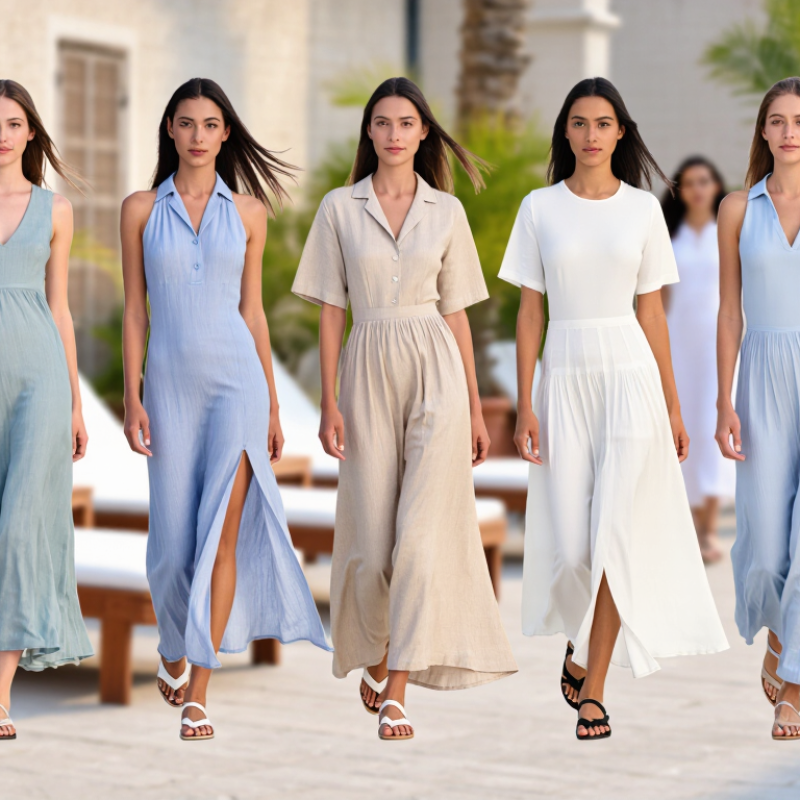
A linen maxi dress is a full-length garment made from linen, a fabric spun from flax fibers. Its feel depends on the yarn, weave, and any blended fibers. A looser weave often lets air move through, while a denser weave can feel less transparent and hold its shape better. Look closely at seams, hems, and lining: these details affect comfort and how the dress hangs. “Maxi” does not mean one fixed length; the hem should suit your height and shoes.
Tips: Check the fabric in daylight for sheerness. Sit and walk in the dress before choosing a size, since linen may feel crisp at first. Follow the care label, and expect some wrinkles. They are part of the fabric, though they may not suit every occasion.
Construction matters in everyday wear. A shaped waist or adjustable tie can help the dress move with you, but tight seams may pull when you sit. Side slits add stride room; deep ones may need checking when you bend. Linen can soften with washing, yet shrinkage varies by finish and care. I would not assume every linen dress becomes softer in the same way. For a balanced choice, consider fiber content, fabric weight, lining, and how the hem falls—not just the label.
For a linen maxi dress, comfort starts with fiber quality, not the word “linen” on a tag. Longer flax fibers can be spun into smoother yarns, while uneven yarns may feel rougher and wear less evenly. A balanced weave helps resist snagging, but very dense cloth can feel warm in humid weather. Check the fabric in daylight: small slubs are normal; thin, transparent patches may signal uneven construction. Feel the hem too. It should hang cleanly, not twist after a gentle tug.
A simple check.
Blends change the trade-off. Linen-cotton can soften the feel, while linen-viscose often drapes more fluidly. The result depends on yarn quality and construction, not fiber names alone. Textile Exchange’s Materials Market Report 2024 estimates that global fiber production reached 124 million tonnes in 2023, with polyester accounting for 57%. That figure is not a durability score, but it puts blended textiles in context. For longer wear, inspect seams and stress points, then follow the care label; hot washing and vigorous tumble-drying can strain fibers. Check opacity while walking, not just on a hanger. Linen wrinkles, even when it’s excellent. Don’t mistake every crease for poor quality.
A linen maxi dress works best when its shape suits the way you move. An A-line skirt gives room through the hips and swings easily on a breezy walk. A column silhouette looks cleaner, but check the hem while sitting and climbing stairs. Linen can crease at the knees. That is normal.
Necklines change the feel of the dress. A square neckline frames the collarbones, while a V-neck often leaves more room around the chest. For sleeves, short flutter styles feel airy, and three-quarter sleeves offer a little more coverage without hiding the waist. Adjustable straps help fine-tune the fit. Small details matter: side pockets should lie flat, seams should not pull, and a slit should allow a natural stride rather than expose more than you want. I would not choose a dress by its hanging shape alone; linen can soften and drape differently once worn. A slightly imperfect crease is part of the fabric, though a tight armhole is not something to ignore.
How to read this chart: Counts show the distinct options included in this guide—not sales figures or popularity rankings. Silhouettes: A-line, column, fit-and-flare, tiered, and wrap. Necklines: V-neck, square, scoop, sweetheart, halter, and boat. Sleeves: sleeveless, cap, short, three-quarter, and long. Details: side slit, pockets, waist tie, buttons, smocking, and ruffles.
2026 Best Linen Maxi Dresses for Women?
How to Choose a Dress for Fit, Climate, and Occasion
Choose by measurements, not the size printed on the tag. Check bust, waist, hip, and shoulder measurements against the garment chart, then compare the skirt length with your height and shoes. A loose cut can feel airy, but too much fabric may catch underfoot or add bulk at the waist. A little ease matters. The National Retail Federation’s 2024 Retail Returns report estimated that 16.9% of annual retail sales would be returned. That figure covers retail broadly, not clothing alone, but it’s a useful reminder to check fit before ordering.
For hot, humid days, look for lighter linen or a linen blend with a relaxed weave; for breezy evenings, choose a fuller skirt or bring a light layer. Inspect the lining, too. A lined dress may feel less airy in heat, while an unlined one may show more in bright sunlight. Textile Exchange’s Materials Market Report 2024 estimated global fiber production at 124 million tonnes in 2023. That broad industry figure makes fiber labels worth checking: dresses described as linen can differ in blend and feel. For daytime errands, pockets and adjustable straps are practical. For a dinner, consider whether the hem clears steps and chairs. I still underestimate hems. Wrinkles are normal. Decide whether you’re comfortable with them before choosing linen.
| Dress Style | Fit and Length | Fabric to Consider | Climate Suitability | Good Occasions | What to Check Before Buying |
|---|---|---|---|---|---|
| Relaxed A-Line | Skims the torso and gradually widens toward the hem; allows room through the hips. | Lightweight, woven linen for an airy feel; a cotton-linen blend may feel softer, depending on the weave and blend ratio. | Well suited to warm weather. A loose cut allows more airflow than a close-fitting silhouette. | Day trips, casual lunches, holidays, and everyday wear. | Check shoulder placement, bust ease, and whether the hem clears the ground in your usual shoes. |
| Shirt Dress | Usually has a button-front opening and a straight or gently shaped body; often includes a removable belt. | Medium-weight linen can give the collar and placket more structure; lighter cloth tends to feel cooler. | Useful in warm or mild conditions. Long sleeves can provide coverage, though they may feel warmer in high heat. | Smart-casual gatherings, travel, and relaxed office settings where the dress code permits. | Check that buttons lie flat across the bust and hips, and confirm the sleeve and skirt lengths suit your needs. |
| Wrap or Faux-Wrap | Adjusts at the waist; a faux-wrap version has a fixed front panel and may offer more coverage while moving. | Light to medium-weight linen; a fabric with some drape can make the skirt fall more fluidly. | A breathable option for warm days. A full lining or multiple fabric layers may reduce airflow. | Garden parties, dinners, and daytime events. | Look for secure waist ties or closures, enough overlap at the skirt, and a comfortable fit when seated. |
| Empire-Waist Maxi | The seam sits above the natural waist, with fabric flowing below; fit through the bust is especially important. | Lightweight linen or a linen blend with a softer drape can reduce stiffness in the skirt. | Comfortable for warm weather when the bodice and skirt are not heavily layered. | Relaxed celebrations, resort wear, and occasions where a flowing silhouette is preferred. | Check the seam position, bust room, and skirt volume; the waist seam should sit comfortably rather than pull. |
| Sleeveless Column | A straighter silhouette that follows the body more closely than an A-line; a side slit can improve movement. | Medium-weight linen may feel less clingy than very lightweight cloth; fabric weight and cut affect opacity. | Best for warm or mild weather. A close fit can feel less breezy than a looser cut. | Casual dinners, city outings, and warm-weather events. | Check ease through the hips, slit height, and opacity in daylight; consider the dress with the undergarments you plan to wear. |
| Tiered Maxi | Made with gathered sections that add volume toward the hem; generally offers generous room through the skirt. | Lightweight linen keeps the gathered skirt from feeling unnecessarily heavy; extra tiers add fabric and volume. | Suitable for warm weather if the dress is not densely layered or lined. | Casual weekends, beach-town outings, and informal outdoor events. | Check the total skirt volume, hem length, and whether the gathers add bulk where you prefer a cleaner line. |
| Long-Sleeve Maxi | May be relaxed, belted, or shaped; sleeve cuffs and shoulder fit affect comfort and mobility. | Lightweight linen can provide coverage while remaining more breathable than many dense fabrics. | Versatile for mild weather and sunny days; in high heat, choose loose sleeves and avoid heavy lining. | Travel, outdoor meals, and settings where more arm coverage is wanted. | Check that sleeves allow you to bend your arms comfortably and that the fabric suits the expected temperature. |
| Linen-Blend Maxi | Fit depends on the cut; blends can feel different from one another, so use the garment measurements rather than the label alone. | Linen-cotton blends may feel softer, while linen with a drapier fiber can hang differently. Results vary by fiber ratio and construction. | Choose based on fabric weight, lining, and weave. A blend is not automatically cooler or less prone to wrinkling. | Everyday wear, travel, or events depending on the silhouette and finish. | Read the fiber content and care label, and check whether the garment is lined, pre-washed, or intended for dry cleaning. |
Fit and care tip: Compare the brand-neutral garment measurements with a dress you already own, paying particular attention to bust, waist, hip, and shoulder measurements. Linen naturally creases during wear; follow the care label, since washing and drying instructions vary by garment and fiber blend. For a maxi length, check the hem with the shoes you expect to wear.
A linen maxi dress lasts longer when care stays gentle and consistent. Check its care label first; blends, dyes, and linings can respond differently. Turn the dress inside out, secure ties, and wash it in cool water with mild detergent on a gentle cycle. A mesh bag can protect narrow straps. Don’t crowd the washer; the fabric needs room to rinse. Skip high heat. Lift the damp dress by its bodice, then air-dry it on a wide hanger in the shade. Linen will crease. Chasing every fold can become needless work. For deeper creases, press the fabric while slightly damp, using a moderate setting and testing a hidden seam first.
Care adds up. WRAP’s 2012 report, Valuing Our Clothes, estimated that extending clothing life by nine months could reduce its carbon, water, and waste footprints by 20–30 percent. That estimate applies to clothing overall, not linen specifically, but it supports fixing small problems early. Mend a loose hem before it catches underfoot, and dab spills promptly instead of scrubbing the weave. Let the dress dry fully between wears, then store it folded or on a broad hanger in a dry closet. Avoid tight plastic storage. One caveat: repeated washing can still soften linen unevenly, so the garment’s care label should take priority.
Copyright © 2021 Payless Pet Products - All Rights Reserved.