Payless Pet Products

Payless Pet ProductsPayless Pet ProductsPayless Pet ProductsPayless Pet Products
  • Home
  • New Website
  • Fish Amoxi Forte 500mg
  • Fish Aug 625mg
  • Fish Cipro Forte
  • Fish Clinda Forte
  • Fish Doxy
  • Fish Fluco Forte
  • Fish Itra
  • Fish Keto
  • Fish Levo 500mg
  • Fish Zithro 250mg
  • Fish Zithro 500mg
  • Fish Zithro 1000mg

Payless Pet Products

Payless Pet ProductsPayless Pet ProductsPayless Pet Products
  • Home
  • New Website
  • Fish Amoxi Forte 500mg
  • Fish Aug 625mg
  • Fish Cipro Forte
  • Fish Clinda Forte
  • Fish Doxy
  • Fish Fluco Forte
  • Fish Itra
  • Fish Keto
  • Fish Levo 500mg
  • Fish Zithro 250mg
  • Fish Zithro 500mg
  • Fish Zithro 1000mg
What Is an Anti Blue Light Screen Protector?

What Is an Anti Blue Light Screen Protector?

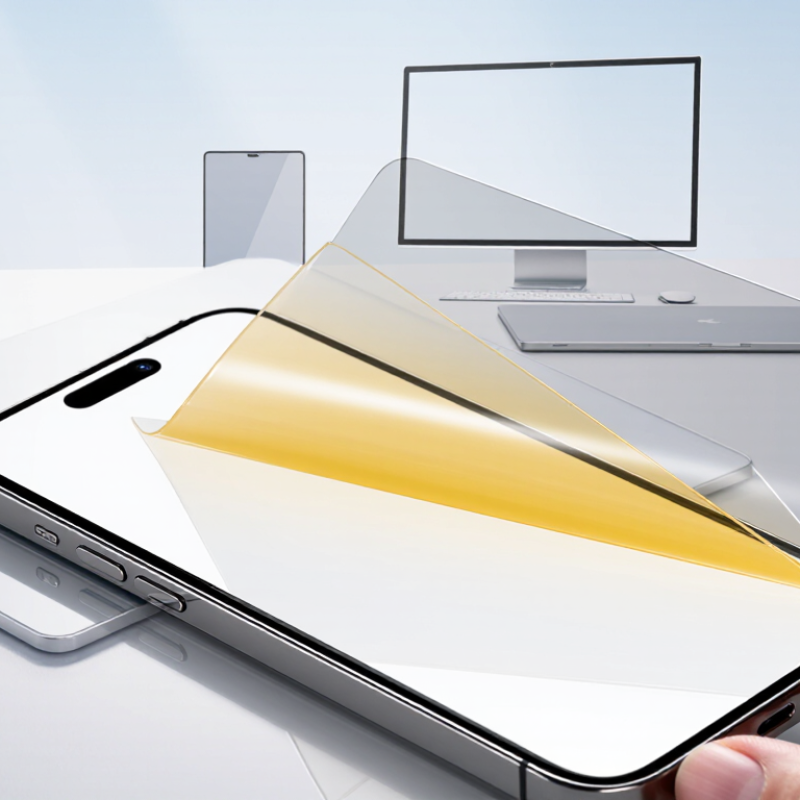
An Anti-Blue Light Screen Protector is a thin film or glass layer designed to filter some blue-violet light from a phone, tablet, or monitor. Depending on its materials, it may look clear or add a faint yellow tint. You might notice that tint against a white screen. These protectors can also help guard against scratches, but their light-filtering performance varies by product.

It helps to separate comfort claims from proven eye-health benefits. Ophthalmologist Dr. Rahul Khurana has said, “There is no scientific evidence that blue light from digital devices causes damage to your eye.” This perspective is important: a filter should not be presented as a proven treatment for eye strain or a way to prevent eye disease. Dryness, glare, long periods of close focus, and infrequent blinking can also make screen use uncomfortable.

Small details matter. A protector that is misaligned may trap dust near the camera or lift at the edges. A strong yellow tint can change how photos and colors appear. Check the product’s stated wavelength range and transmission information, and consider whether its tint suits your daily use. Then adjust screen brightness, reduce glare from nearby lamps, and take regular breaks. These steps are not magic. And a screen protector cannot fix every source of discomfort.
What Is an Anti Blue Light Screen Protector?
Table of Contents [Hide]
1 What an Anti-Blue-Light Screen Protector Is
2 How It Filters or Reduces Blue Light
3 Key Materials and Design Features
4 Potential Benefits and Limitations
5 How to Choose a Suitable Screen Protector

What an Anti-Blue-Light Screen Protector Is

An anti-blue-light screen protector is a thin, transparent layer placed over a phone, tablet, or computer display. Depending on its material or coating, it may absorb or reflect some blue-violet light before that light reaches the eyes. Some protectors also reduce glare, though glare control is a separate feature. The filter does not make the screen emit no blue light.

That distinction matters. Blue light is part of visible light, and ordinary screen use is not generally considered a proven cause of permanent eye damage. Research has not consistently shown that blue-light filters relieve digital eye strain. Dry, tired eyes can also follow long periods of close focusing, fewer blinks, glare, or awkward screen positioning. A protector cannot fix those factors by itself.

The effect can be subtle. A protector may add a faint warm tint, soften fine text, or change how colors look in a photo. Results vary by product and display, so the label alone tells you little about the viewing experience. Check for clear information about filtering and transparency, and consider whether color accuracy matters for your work. One awkward point: the name can sound more certain than the evidence. If your eyes feel uncomfortable, screen brightness, viewing distance, and regular breaks are worth checking too.

What Is an Anti-Blue-Light Screen Protector?

An anti-blue-light screen protector is designed to reduce some blue light reaching your eyes. Blue light is part of the visible spectrum; the ranges shown are approximate and definitions can vary. The chart illustrates wavelength ranges, not how much light a particular protector blocks.

How It Filters or Reduces Blue Light

What Is an Anti Blue Light Screen Protector?

How It Filters or Reduces Blue Light

An anti-blue-light screen protector reduces some blue wavelengths passing through the display toward your eyes. It may use a tinted film or a coating that absorbs selected wavelengths. Some layers reflect a portion of the light instead. Some films look faintly amber. Others appear nearly clear. The method depends on the protector’s materials and design.

A filter rarely removes all blue light. Instead, it reduces transmission within a particular wavelength range. The actual effect can vary with coating quality, screen brightness, and viewing angle. A protector may also make colors look warmer, especially on white backgrounds. This change is easiest to notice when comparing two screens side by side. Not all films work alike.

Blue light is visible light, and screens produce only part of everyday exposure. Research has not established that typical screen-level blue light causes retinal damage. Digital eye strain is more often associated with prolonged close-up focus, reduced blinking, and glare. A protector may change screen color without easing tired eyes. Check measured transmission across specific wavelengths, not just a broad reduction claim. Numbers can be hard to compare. That deserves a closer look.

Key Materials and Design Features

An anti-blue-light screen protector usually combines a transparent polymer film or tempered glass with a light-filtering layer. Some use selective dyes that absorb part of the blue-violet spectrum; others use optical coatings designed to reflect specific wavelengths. The exact effect depends on the material and coating, not the label. Check published spectral-transmittance data: it shows how much light passes through at each wavelength. A darker or warmer-looking screen may indicate stronger filtering, but it can also change color accuracy. Small trade-off.

Design matters in daily use. A smooth, low-haze surface helps keep text crisp, while an anti-glare finish can soften reflections from a nearby window. Adhesive quality, thickness, and edge fit affect bubbles, touch response, and durability. Independent testing is useful here.

The 2023 Cochrane review of blue-light-filtering spectacles examined 17 trials involving 619 adults; it found they may not reduce short-term eye strain compared with ordinary lenses. That research tested spectacles, not screen protectors, so it cannot prove a protector has no effect. Still, it is a reason to treat dramatic comfort claims cautiously.

I’d compare measured wavelength filtering with clarity and color shift, rather than choosing by “blue-light blocking” alone.

Potential Benefits and Limitations

What Is an Anti Blue Light Screen Protector? Potential Benefits and Limitations

An anti-blue-light screen protector filters some short-wavelength light from a display. Its effect depends on the filter, screen brightness, and how long you use the device. It may reduce perceived glare or make a screen feel more comfortable, but that experience varies. It is not proven to prevent eye damage. The American Academy of Ophthalmology notes that current evidence does not show ordinary screen blue light damages the eyes.

Evidence for related products calls for caution. A 2023 Cochrane review assessed 17 randomized trials involving 619 people and found blue-light-filtering glasses may not reduce short-term eye strain. Those trials studied glasses, not screen protectors, so the findings cannot settle how every film performs. For sleep, a small Harvard-affiliated study of 12 people found that evening e-reader use over five nights affected melatonin and sleep timing. A protector alone may not solve late-night screen habits. The evidence is not tidy.

Tips: Check independent transmission tests before buying, and compare the screen with and without the film in the same lighting. Lower brightness, take regular distance breaks, and avoid screens close to bedtime when possible. Small changes can help. If discomfort persists, consider an eye-care professional; I would not treat a tinted film as a substitute for an eye exam.

What Is an Anti Blue Light Screen Protector? - Potential Benefits and Limitations
Dimension What It Means Potential Benefit Limitation or Consideration
Basic definition A screen protector designed to reduce some of the short-wavelength visible light emitted by a device display. May reduce selected blue wavelengths reaching the eyes, depending on the product’s filtering properties. “Anti blue light” is not a standard level of filtration; products can differ substantially.
Blue light range Blue light is generally considered part of the visible spectrum, approximately 400–500 nanometers. A clearly stated wavelength range and measured transmission can help describe what a protector filters. A broad label alone does not show how much light is filtered at each wavelength.
Digital eye strain Screen-related discomfort can include tired or dry eyes, headaches, and temporary focusing difficulty. Some people may find a particular screen filter more comfortable. Research has not established that filtering blue light reliably prevents or relieves digital eye strain. Long periods of near work, reduced blinking, glare, and uncorrected vision can also contribute.
Sleep and evening use Light exposure in the evening can influence the body’s circadian timing; the effect depends on factors such as timing, brightness, and duration. Reducing bright screen exposure before bedtime may be helpful for some people. A protector’s effect on sleep is not guaranteed. Dimming the display and limiting late-night screen use may also matter.
Eye safety Blue light occurs naturally in daylight and is also emitted by digital screens. A filter can reduce some display light in its specified wavelength range. Typical screen use has not been shown to cause retinal damage from blue light. A protector should not be presented as proven protection against eye disease.
Color and brightness Filtering can change the display’s color balance or reduce perceived brightness. A mild tint may be acceptable for general browsing or reading. Color-sensitive work, photo editing, and design may be affected; stronger filtering can make whites appear warmer or yellowish.
Other protector features Many screen protectors also provide scratch resistance, and some include a matte or anti-glare surface. These features may help protect the screen or reduce reflections, independent of blue-light filtering. Matte finishes may soften the image or change its appearance; fit, touch response, and durability vary by product.
Practical alternatives Screen habits and display settings can also affect comfort and evening light exposure. Try regular distance breaks, blinking normally, reducing glare, adjusting brightness, and taking breaks during long sessions. Persistent eye discomfort, headaches, or vision changes warrant advice from an eye-care professional.

How to Choose a Suitable Screen Protector

What Is an Anti-Blue-Light Screen Protector?

How to Choose a Suitable Screen Protector

An anti-blue-light screen protector filters some blue-violet light from a display. Filtering strength varies, and a darker-looking screen does not prove better performance. Check for an independent spectral-transmission report showing which wavelengths are reduced. A single advertised percentage can sound convincing, but it is incomplete without the test range and method. Also check the exact device model, edge coverage, glare reduction, and touch response. A protector that lifts around the corners or blurs small text is unlikely to be useful. Fit matters.

Be cautious about claims that blue-light filtering prevents eye strain. A 2023 Cochrane review assessed 17 randomized trials involving 619 participants and found that filtering lenses may not reduce short-term visual fatigue. Those trials studied lenses, not screen protectors, so the evidence is not a direct test of protectors. Still, it is a useful reason to keep expectations modest. Compare color accuracy in person if possible; a warm tint can make white pages look yellow. For discomfort, screen distance, glare, and regular breaks may matter more than filtering alone. The trade-off is easy to miss.

Article Source:

  • Ultra Clear Hydrogel
  • Screen Protector Anti

Copyright © 2021 Payless Pet Products - All Rights Reserved.