Best Camping Sleeping Bag for All Seasons What to Look For?
When planning for outdoor adventures, choosing the right camping sleeping bag is essential. Industry reports suggest that nearly 40% of campers consider sleeping bags the most critical gear. A well-selected bag ensures warmth, comfort, and a restful night's sleep. However, finding the perfect camping sleeping bag can be overwhelming.
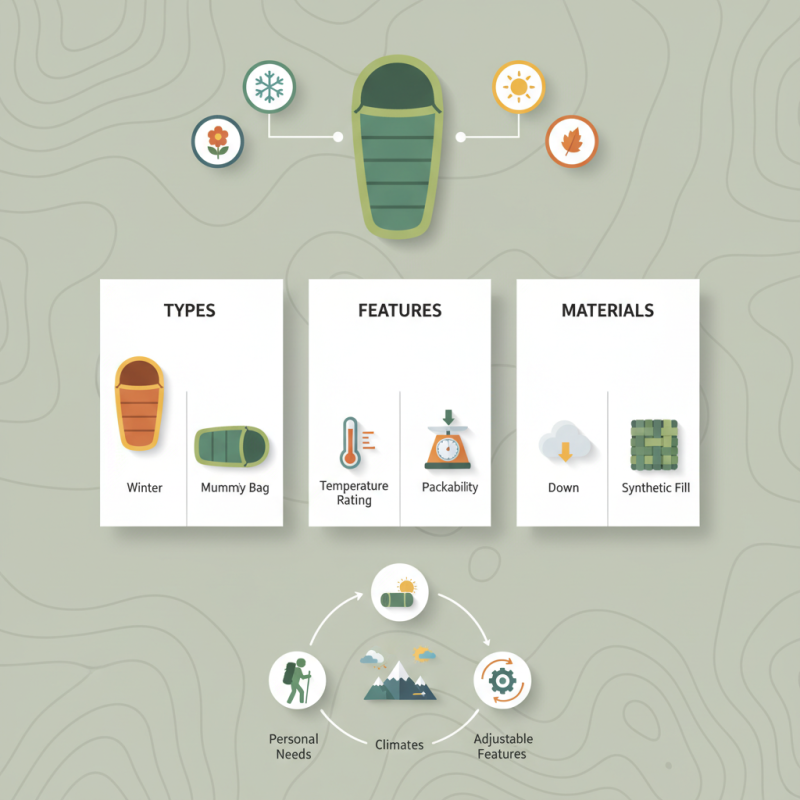
There are countless models available, with varying insulation types and shapes. Research shows that temperature ratings can significantly impact your outdoor experience. It's crucial to know what to look for in an all-season sleeping bag. Features like weight, packability, and materials play a vital role in your decision. Some bags perform well in winter but may feel too hot during summer.
Reflecting on personal needs is important. Your choice of camping sleeping bag should align with the climates you expect to encounter. Choosing a bag with adjustable features can adapt to different conditions. Investing time in selecting a bag tailored to your adventures can greatly enhance your camping experience.
Understanding the Importance of All-Season Sleeping Bags in Camping
When camping, an all-season sleeping bag can greatly affect your comfort. The right bag keeps you warm in cold weather and cool when it’s hot. According to the Outdoor Industry Association, nearly 70% of campers prioritize gear comfort. This highlights the importance of selecting a quality sleeping bag.
Remember, not all sleeping bags are created equal. Materials and insulation vary widely. Synthetic insulation performs better in wet conditions, while down insulation is lighter and packs smaller. A recent study shows that down bags typically offer better warmth-to-weight ratios. If you're camping in varied climates, consider a bag with a temperature rating that suits the lowest expected temperature you'll encounter.
Tip: Look for bags with versatile features, like detachable liners. This allows for customization based on temperature changes.
Also, the fit of your sleeping bag matters. A snugger fit retains heat better. According to camping gear experts, a bag should be long enough for your height, with extra wiggle room. Ensure the zipper is durable, as it’s often a weak point in sleeping bags.
Tip: Try out different designs. Some prefer a mummy style for warmth, while others enjoy rectangular for spaciousness. Find what feels right for you.
Key Features to Consider When Choosing a Sleeping Bag for All Seasons
When selecting a sleeping bag for all seasons, several key features warrant attention. Insulation type plays a crucial role. Down insulation is lightweight and compressible but can be less effective when wet. Synthetic materials, on the other hand, retain warmth even when damp. The industry suggests a temperature rating as essential. A bag rated for 20°F, for instance, ensures warmth during cooler nights.
Another factor is the shape of the sleeping bag. Mummy bags offer superior thermal efficiency due to their snug fit, but they might feel restrictive. Rectangular bags provide more space but may sacrifice warmth. According to the Outdoor Industry Association, over 70% of campers prefer a mummy shape for its warmth-to-weight ratio.
Size and weight are also significant. A compact sleeping bag is essential for long hikes. Ideally, it should weigh under three pounds for easy packing. However, some users find that lighter bags compromise comfort. Reflecting on personal preferences is vital. Ultimately, achieving a balance between warmth, weight, and comfort can be tricky but essential for a successful camping experience.
Types of Insulation: Synthetic vs. Down for Optimal Warmth
When selecting a sleeping bag for all seasons, insulation type greatly impacts warmth and comfort. Two primary options exist: Synthetic and Down. Each has unique features and drawbacks.
Synthetic insulation excels in wet conditions. It maintains warmth even when damp. According to industry reports, modern synthetic materials can achieve an impressive warmth-to-weight ratio. This makes them reliable for unpredictable weather. However, they're often bulkier than down alternatives, which may affect portability.
Down insulation is lightweight and compressible. It offers superior warmth for its weight. Studies indicate that high-quality down can last longer with proper care. But down struggles in moisture as it loses insulating properties when wet. Many campers prefer a combination of both types for versatility.
Balancing warmth, weight, and packability is key. Adjustments in personal preferences and conditions should guide your choice.
Temperature Ratings Explained: What You Need to Know
When choosing a camping sleeping bag, temperature ratings are essential. These ratings indicate the lowest temperature at which a sleeping bag will keep you warm. Usually, they range from summer to winter ratings. A summer bag may be rated for around 50°F, while a winter bag can be rated below 0°F. You might think selecting a lower rating is always better, but it’s crucial to consider your comfort levels.
Look for comfort ratings that factor in personal preference. Some people may feel cold at a predicted temperature, while others may remain warm. It's good to test out sleeping bags before buying to find the right fit for your needs. A common mistake is disregarding insulation types. Down insulation is lightweight but can lose warmth when wet. Synthetic insulation retains warmth even when damp.
Another consideration is weight and packed size. Heavy gear can be burdensome on long hikes. Opting for a lightweight option may lead to compromises on warmth. Reflecting on past camping experiences can guide your decision-making. Be mindful of the balance between warmth, weight, and price when you choose. It’s not just about staying warm; comfort plays a vital role too.
Additional Features to Enhance Comfort and Usability in Sleeping Bags
When choosing a sleeping bag for all seasons, consider extra features. These can greatly enhance comfort and usability. A draft collar prevents cold air from entering. It’s essential for chilly nights. Look for zippers that are snag-free. They make getting in and out simpler.
Another significant feature is the hood. A well-designed hood keeps warmth close. Some sleeping bags also come with pockets. These are handy for storing small items. Having easy access to essentials is a plus. Remember that insulation type matters. Down insulation is lightweight but can be pricey. Synthetic insulation is bulkier but works well in wet conditions.
Tips: Ensure your sleeping bag is easy to pack. Compression sacks can help with this. Test the bag at home before camping. This helps to identify any discomfort or issues. Don’t forget to consider the sleeping bag’s weight if you plan to trek. Weight can affect your overall pack load. Always check the temperature ratings for the seasons you’ll be camping in. A bag rated too low can lead to cold nights, while a warm bag in summer can cause discomfort.