Choosing an Earth Bar manufacturer is not simply a matter of comparing prices. These conductive bars support grounding and bonding systems in electrical panels, switchgear, and industrial installations. Material, dimensions, hole patterns, surface finish, and production consistency can all affect how well a product fits its intended application. Small differences matter.
This guide introduces 10 Earth Bar manufacturers for global buyers. It highlights practical factors to review, including copper or aluminum options, custom fabrication, quality documentation, packaging, and export experience. Buyers should confirm specifications directly with suppliers and request drawings or samples when details are unclear. A polished catalog is helpful, but it cannot replace a close review of tolerances, inspection methods, and delivery terms.
Look beyond the quoted unit cost. Ask how the manufacturer handles design changes, identifies materials, and protects finished bars during shipping. These details may reveal more than a broad claim of quality. Still, no single supplier will suit every project. A manufacturer with strong customization may not offer the shortest lead time, while a lower-priced option may require extra checks. That trade-off deserves attention.
The companies covered here provide a starting point, not a universal ranking. Compare their capabilities against your project requirements, installation conditions, and purchasing process. Verify current certifications and technical information before placing an order. Good decisions begin with clear questions.
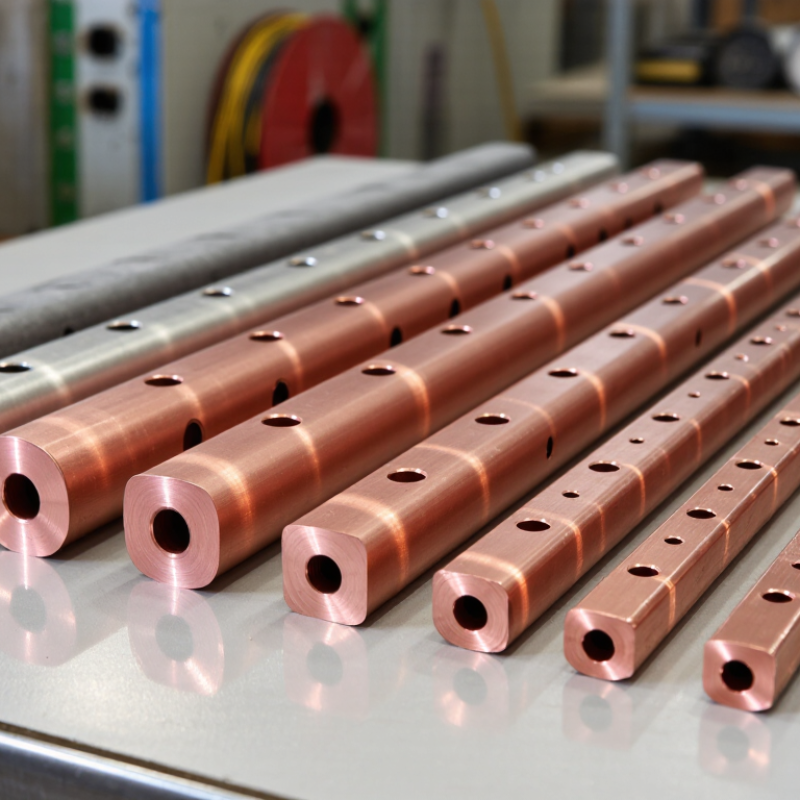
An earth bar is a conductive terminal strip that gathers protective earth and bonding conductors at one accessible point. It is commonly installed in switchboards, substations, data rooms, and industrial control cabinets. Green-and-yellow wires may connect it to enclosures, cable trays, structural steel, or other metalwork. During a fault, the bonded path helps carry current toward the earthing system so protective devices can operate. Not a fuse. An earth bar is not a neutral bar, and it should not be treated as one.
The International Energy Agency’s 2023 report, Electricity Grids and Secure Energy Transitions, puts annual global grid investment at around USD 300 billion today. It says more than USD 600 billion a year may be needed by 2030. This is not an earth-bar market forecast, but it signals the scale of grid expansion where dependable bonding matters. For buyers, compare conductor material, corrosion resistance, fault-current rating, terminal capacity, and mounting details against the installation design. A polished copper strip can still be unsuitable if its connections loosen or its rating is too low. That detail is easy to overlook. Regular inspection and continuity testing help confirm the installed bar performs as intended.
A reliable earth bar manufacturer should provide clear material and dimensional specifications. Check the copper or aluminum grade, bar thickness, hole spacing, surface finish, and stated electrical ratings. Compare these details with your project drawings, not just a product photo. Ask for inspection records and material traceability that match the quoted batch. A polished brochure is not proof. Manufacturing capability matters too: confirm how the supplier controls drilling accuracy, plating thickness, and inspection before shipment.
Request a sample made to your actual drawing. Measure hole positions and bar dimensions, then check the finish under good lighting for uneven plating or scratches. Ask how production changes are documented and how defects are handled. Review lead times, packaging, and export experience for your destination. A supplier may answer every question well, yet one sample cannot prove consistent production. I would leave room for a follow-up inspection; it can feel excessive, but saves uncertainty later.
A practical review of ten earth bar manufacturers should look beyond catalogue photographs. International buyers need clear specifications, stable production, and responsive technical support. Ask whether each supplier offers copper or tin-plated copper, custom hole spacing, and insulated supports. A drawing should show dimensions, material, finish, and connection points. Small details matter.
Compare sample inspection methods, production records, and packaging for long-distance shipping. Request test documents that match the offered product, not a generic sheet. Check how the manufacturer handles changes to bar length or terminal layout. Clear answers often reveal more than a low quotation. Still, a polished website proves little. Request a sample or review a detailed inspection report before placing a large order.
Delivery planning also deserves attention. Confirm lead times, packing dimensions, and how updates are shared if production slips. For projects with unusual fault-current or installation requirements, have a qualified engineer confirm the selected configuration. A capable manufacturer should explain its limits and ask useful questions about the application. Some comparisons will remain imperfect; suppliers may describe quality differently, so use the same checklist for all ten.
Supplier-specific names and claims are omitted. Use this factual buyer checklist to compare manufacturers; product dimensions and compliance depend on the project and the supplier’s documentation.
| Evaluation dimension | What buyers should check | Relevant fact or reference | Useful purchasing evidence |
|---|---|---|---|
| 1. Base material | Confirm the specified copper grade, alloy, or other conductor material. | Electrical conductivity varies by material and grade; “copper” alone does not define a complete specification. | Material certificate and stated conductivity or resistivity value. |
| 2. Conductivity reference | Check the measurement basis and test conditions used for any conductivity claim. | The International Annealed Copper Standard (IACS) defines 100% conductivity by reference to annealed copper at 20°C. | Test report identifying the method, temperature, and result. |
| 3. Bar dimensions | Specify length, width, thickness, hole locations, and tolerances on the drawing. | There is no single universal earth-bar size; dimensions must suit the installation and design requirements. | Dimensioned drawing and documented manufacturing tolerances. |
| 4. Current and fault-duty design | Confirm that the bar and connections are suitable for the specified electrical duty. | Required capacity depends on the installation design, fault conditions, conductor arrangement, and applicable rules. | Engineering calculations or test evidence tied to the stated application. |
| 5. Connection components | Review terminals, clamps, fasteners, and the intended conductor types and sizes. | IEC 62561-1 specifies requirements for connection components used in lightning protection systems; confirm its relevance to the intended application. | Applicable test reports, installation instructions, and connection compatibility details. |
| 6. Grounding and bonding requirements | Identify the governing code and product requirements for the destination market. | UL 467 covers grounding and bonding equipment. Acceptance depends on the product scope and the project’s applicable rules. | A valid listing or certification record where required by the project or authority. |
| 7. Protective-conductor design | Check the design’s earthing arrangement and protective-conductor requirements. | IEC 60364-5-54 addresses earthing arrangements and protective conductors in low-voltage electrical installations. | Project design review confirming the bar’s intended role and connections. |
| 8. Surface finish and environment | Specify bare, plated, or otherwise finished surfaces based on the environment and connection design. | A coating such as tin plating is a specification choice; its suitability should be assessed for the actual environment and contact interfaces. | Finish specification, coating details, and environmental suitability information. |
| 9. Quality and traceability | Assess production controls, inspection records, and batch identification. | ISO 9001 specifies quality-management-system requirements; it is not, by itself, a product performance certification. | Current certificate scope, inspection plan, and traceable product records. |
| 10. International-market documentation | Confirm destination-market rules, required declarations, packaging, and shipping documents. | EU RoHS and REACH obligations are distinct regulatory frameworks; applicability depends on the product and its market placement. | Applicable declarations, material information, export documents, and agreed delivery terms. |
A reliable earth bar manufacturer should be judged by more than a polished catalogue. Compare copper, tinned copper, and galvanized steel options, then check dimensions, hole spacing, and connector compatibility. A bar that looks suitable may not fit existing lugs. Details matter. Ask whether the supplier controls plating thickness and drilling tolerances, and how rejected parts are handled.
Standards depend on the bar’s design and intended installation. Request the exact standard references, material certificates, inspection records, and test reports—not just a general claim of compliance. Check that documents match the product code and production batch. For larger projects, ask about sample approval, repeat-order consistency, and traceability. A factory’s capacity matters, but so does its ability to explain where its limits are.
Tips: Send a dimensioned drawing and expected annual quantity when requesting quotes. Confirm packaging protects plated surfaces from scratches during transit. Ask for a production sample before approving a large order. One practical caution: the lowest price can hide thinner plating or looser tolerances, but these details are not always obvious from photographs. Compare written specifications line by line, and clarify any item that remains vague.
When ordering earth bars, match the specification to the installation, not just the catalogue photo. Confirm conductor material, bar dimensions, hole diameter and spacing, finish, and required fault-current rating. Ask for a dimensioned drawing and material test documents before approving production. Small details matter. A bar with correctly spaced holes may still be unsuitable if its coating or thickness differs from the project specification. Also clarify whether accessories, such as insulators and fasteners, are included.
Import planning deserves equal attention. UNCTAD’s Review of Maritime Transport 2024 notes that over 80% of world trade by volume moves by sea, so packaging and shipment timing can affect project schedules. Request export packing details, gross weight, carton or crate dimensions, and the agreed delivery term. Check that the invoice, packing list, and product description match. The IEA’s Electricity Grids and Secure Energy Transitions (2023) says annual grid investment must more than double to over US$600 billion by 2030 in its net-zero scenario. That broader expansion makes dependable component sourcing important, but it does not guarantee short lead times. A polished datasheet can still leave gaps; confirm tolerances and inspection arrangements in writing.
Copyright © 2021 Payless Pet Products - All Rights Reserved.