Global buyers comparing Zhongshan Anjielo products need more than polished photographs. They need clear specifications, dependable support, and evidence that each device suits its intended market. The International Energy Agency’s Energy Efficiency 2023 report says buildings account for about 30% of global final energy consumption. That figure makes efficient controls and practical energy management relevant buying considerations. It does not prove that every smart device reduces energy use.
IEA Executive Director Fatih Birol has described energy efficiency as “the first fuel.” For buyers, that is a useful principle, not a product endorsement. Check each item’s power requirements, connectivity, compatibility, warranty terms, and installation needs. Fit comes first. A device that works smoothly in one home may need different settings or infrastructure elsewhere.
This guide examines seven Zhongshan Anjielo products through a buyer-focused lens: intended use, key features, and the details worth confirming before ordering. Look for specifics, such as supported protocols, control options, and clear product documentation. These details can matter more than a long feature list. No verified public quotation from an Anjielo executive was available for this introduction, so no company-specific expert quote is attributed here. That gap is worth noting. Buyers should confirm current specifications and availability directly with the supplier, since product ranges and regional support can change.
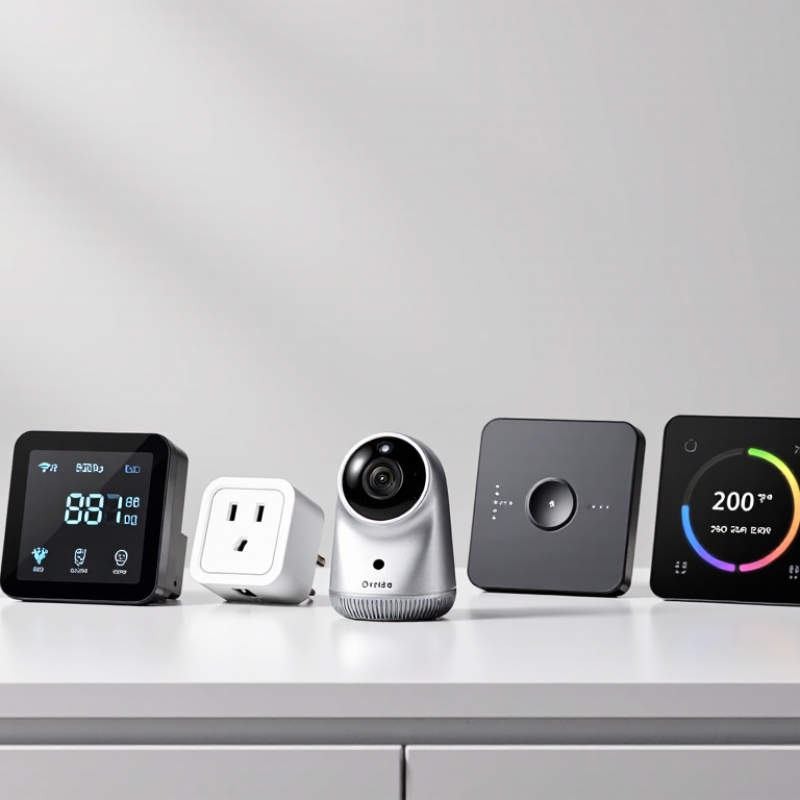
Understanding a Zhongshan-based smart-home supplier starts with the intended use, not just a product list. Its range may include connected switches, wall sockets, lighting controls, sensors, and central hubs. These devices serve different purposes. A motion sensor might activate a hallway light, while a smart switch adds remote control to an existing circuit. Small distinction. Buyers should check whether products need a hub, support local control, or rely on Wi-Fi. Request clear wiring diagrams and installation requirements before comparing prices.
For global buyers, practical details matter: voltage range, communication protocol, app languages, packaging, and after-sales documents. Ask for test reports linked to the exact model, not a similar-looking item. Samples can reveal what photos miss, including switch feel, relay noise, and socket fit. Not glamorous, but important. Compatibility may vary by region, and one home’s wiring may not suit another product. Confirm certifications and import requirements with qualified local professionals. A catalog alone cannot settle every question; even tidy specification sheets can leave compatibility unclear. Product details may change, so dated documents and written answers are worth keeping.
The seven products were selected by comparing practical details that matter after purchase, not by appearance alone. The review criteria included stated specifications, available product photographs, packaging information, and the clarity of ordering details. Each option also needed a clear use case, so buyers could compare products against actual project needs. A compact item may suit a small shipment, while a larger unit may need more careful packing and storage planning.
We also considered how easily buyers could assess quality before placing an order. Clear dimensions, materials, compatible accessories, and after-sales information make comparison easier. Where details were missing, that counted against an option; it should not be treated as proof of poor quality. It simply leaves buyers with more questions. The shortlist favors products with understandable information and practical value, while recognizing that specifications and availability can change. Product selection is not a substitute for checking samples or confirming current terms.
Tips: Request current specifications and close-up photos. Confirm carton dimensions, lead times, and replacement-part options in writing. Small details count. If a key feature is unclear, ask before comparing prices; that extra step can prevent a mismatch between the product and your requirements.
This illustrative 100-point screening rubric prioritizes quality and compliance, followed by customization, minimum order quantity, lead time, packaging, and after-sales support. The percentages show suggested evaluation weights, not audited product or market data.
Global buyers evaluating seven notable smart-home products should compare practical details, not just feature lists. A smart wall switch can offer app control, schedules, and physical buttons for everyday use. A smart socket adds remote power control, though its rated load must match the appliance. A dimmer helps adjust room brightness; check bulb compatibility before ordering. Small details matter.
Motion sensors can trigger lights in hallways, while door and window sensors report unexpected openings. A smart thermostat supports scheduled temperature adjustments, but buyers should confirm wiring and regional compatibility. A central hub can connect devices that use different communication protocols. Without one, some features may depend on a stable internet connection.
For bulk purchasing, request clear specifications, installation guides, and sample units before approving a large order. Test response time, app language, pairing steps, and performance after a power interruption. These checks reveal issues that photographs rarely show. Product availability and specifications can change, so verify each detail against the current catalogue. I would not assume every device works seamlessly together; compatibility still needs testing.
Lighting choices travel poorly when room size, ceiling height, and daily habits change. A flush ceiling light suits compact apartments, while a pendant can anchor a dining table in homes with higher ceilings. Not every room needs a statement piece. Wall lights help in narrow hallways and bedside areas, where a bright overhead fixture may feel harsh. Table lamps offer flexible task lighting for desks and reading corners. Small detail, big difference.
Floor lamps work well in rented homes because they add light without requiring ceiling changes. Track lights are useful in shops and studios, where displays or work areas shift over time. Outdoor fixtures serve entryways and covered patios, but buyers should check the product’s weather rating and installation instructions for the intended location. These seven types meet different needs; they are not interchangeable. A fixture popular in one market may feel too bright or oversized in another. Room measurements, local voltage, socket type, and dimmer compatibility deserve checking before purchase. I would compare those details early, though product listings do not always make them easy to judge.
Before choosing among seven product options, define the job each item must do. Check dimensions, weight, materials, power requirements, and intended operating conditions against your project. A product photo can hide a shallow fitting or a finish that marks easily. Request a current specification sheet, not just a sales image. Small details matter.
Ask for a sample when practical. Inspect seams, edges, labels, and moving parts under ordinary use. Record any difference between the sample and the written specifications. One sample cannot prove every production unit will match, so ask how batches are inspected and how defects are documented. Ask again if the answer is vague.
Confirm carton size, protective packing, minimum order quantity, lead time, and spare-part availability before paying. These details affect freight costs and installation schedules. Request copies of relevant test reports or conformity documents, then verify that they apply to the exact model and destination market. Requirements can vary by country. Do not assume a certificate covers every version. A clear quotation should state product specifications, quantities, delivery terms, and payment milestones. If a detail remains unclear, pause and get it in writing; rushing a purchase can turn a small mismatch into a costly delay.
| Product type | Typical application | Key specifications to compare | Checks before purchasing | Relevant verification |
|---|---|---|---|---|
| LED downlight | Homes, hotels, offices, and retail interiors | Cut-out diameter, recessed depth, lumen output, beam angle, CCT, CRI, and dimming compatibility | Match the ceiling cut-out and installation depth; confirm whether the driver is included and whether the dimmer works with the chosen driver. | Request safety and performance documentation for the exact model; check applicable luminaire requirements such as IEC 60598. |
| LED panel light | Offices, classrooms, clinics, and other suspended-ceiling spaces | Panel dimensions, mounting method, lumen output, glare data, CCT, CRI, and emergency or dimming options | Verify the ceiling-grid dimensions, driver location, flicker information, and whether the supplied mounting accessories suit the installation. | Ask for photometric files, such as IES or LDT, and test reports for the specific configuration being quoted. |
| LED track light | Retail displays, galleries, and accent lighting | Track-system type, beam angle, lumen output, CCT, CRI, aiming range, and adapter compatibility | Confirm the track standard and electrical connection before ordering; check that beam spread and color quality suit the objects being illuminated. | Request a sample or beam demonstration and verify model-specific electrical and photometric documents. |
| LED strip light | Cabinetry, coves, signage, and decorative installations | Voltage, watts per metre, LED density, cut intervals, CCT, CRI, strip width, and protection rating | Check power-supply sizing, maximum run length, polarity, connectors, heat dissipation, and whether the strip can be cut at the required intervals. | For damp or outdoor locations, verify the complete assembly’s protection rating; IP-code meanings are defined by IEC 60529. |
| LED floodlight | Building exteriors, yards, loading areas, and sports facilities | Lumen output, beam distribution, mounting angle, input voltage, surge protection, and ingress protection | Match the beam to the site layout; confirm outdoor suitability, cable entry and sealing, corrosion resistance, and local electrical requirements. | Request an IP test report for the exact model and confirm the stated rating covers the assembled luminaire. |
| LED high-bay light | Warehouses, factories, and other high-ceiling spaces | Mounting height, lumen output, beam angle, glare, thermal design, dimming, and sensor options | Use a lighting layout to assess uniformity and illuminance; check suspension hardware, operating temperature, and compatibility with controls. | Compare verified photometric data with the project design and request safety and performance reports for the quoted model. |
| LED street light | Roads, parking areas, pathways, and site perimeters | Optical distribution, mounting height, input power, surge protection, controls, and environmental rating | Confirm pole-top fit and installation angle; assess the distribution against road width and project lighting requirements, not wattage alone. | Request IES or LDT files and applicable safety and photometric reports; check local road-lighting rules and electrical approvals. |
For any category, confirm the destination-market voltage and frequency, plug or wiring requirements, warranty terms, spare-parts availability, packaging, lead time, and applicable regulatory documents. CCT is expressed in kelvins; CRI is a color-rendering measure, and the appropriate values depend on the application.
Copyright © 2021 Payless Pet Products - All Rights Reserved.