How to Buy Dried Cucumber Powder in Bulk
Buying Dried Cucumber Powder in bulk takes more than comparing prices. Buyers need to know what is inside each bag, how it was processed, and whether the supplier can provide consistent batches. A bright green color may look appealing, but appearance alone cannot confirm freshness, purity, or quality. Details matter.
Start by defining the intended use, expected volume, and preferred particle size. Then ask suppliers for a product specification, ingredient statement, recent test documentation, and a sample from the same production line or batch where possible. Check moisture information, packaging materials, lot identification, and recommended storage conditions. For food applications, review relevant safety records and confirm that documentation matches the product being offered. Requirements can vary by destination and use, so verify them with qualified professionals when needed.
A sample can reveal practical details that a spreadsheet misses: aroma, flow, color, and how the powder disperses in water or a recipe. Still, one sample cannot guarantee every future shipment will match. Ask about minimum order quantities, production lead times, shipping terms, and how the supplier handles quality concerns. Compare the total landed cost, not just the quoted price per kilogram. That takes time. A careful purchasing process helps reduce surprises, though it cannot remove every risk. This guide explains how to assess suppliers, compare offers, and choose a bulk order that fits your product needs and operating plans.
Understanding Dried Cucumber Powder and Its Bulk Uses
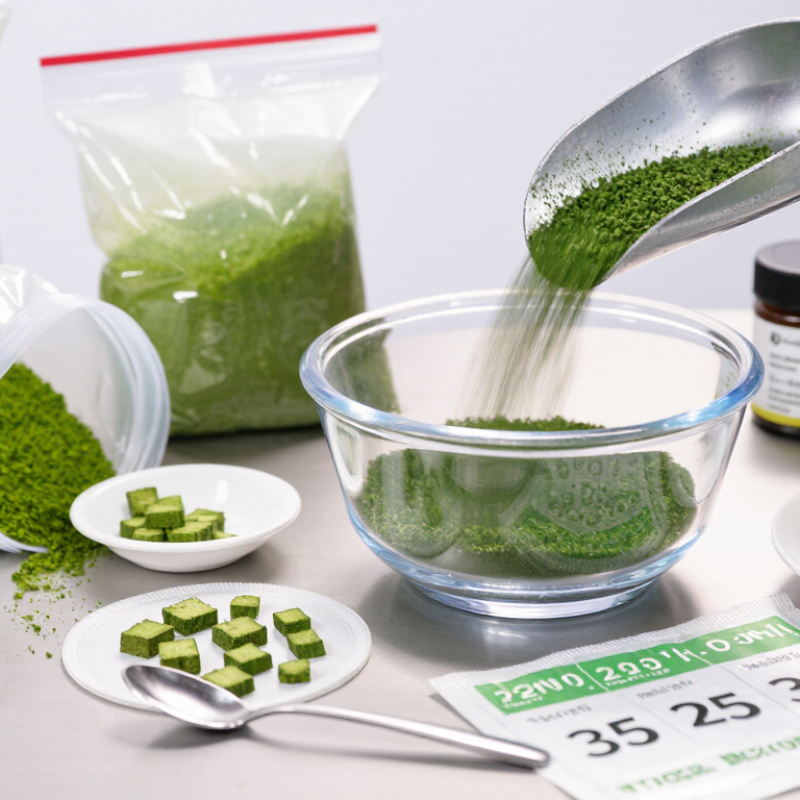
Dried cucumber powder is produced by removing most of the water from cucumber and milling the dried material. Its flavor is generally mild, fresh, and vegetal, though color and intensity vary with the raw cucumbers and processing method. It can add cucumber character without requiring fresh produce, which may simplify storage and portioning. It is not a perfect substitute for fresh cucumber. It lacks the crisp texture and much of the juiciness.
In bulk, the powder can be used in soup mixes, dips, dressings, seasoning blends, and some savory baked goods. It may also suit drink mixes, but its flavor and dispersibility should be tested in the intended recipe. Check particle size, moisture information, ingredient details, and available quality documents before ordering. These details help assess consistency between batches. Packaging matters, too: large bags are efficient, but repeated opening can expose powder to air and moisture.
Tips: Request a sample and test it in your actual recipe before committing to a large order. Mix a small amount with water first; this reveals clumping and flavor strength. Store opened powder in a tightly sealed, dry container. I would still retest each new batch, since even a familiar ingredient can behave differently.
Defining Product Specifications and Order Quantities
Before requesting a bulk quote, define what “dried cucumber powder” means for your application. Specify whether you need a single-ingredient powder, the preferred drying method if known, and a target mesh size. Finer powder disperses differently from coarse powder. Ask for the ingredient statement, country of origin, moisture specification, and current product documentation, such as a certificate of analysis. Set acceptable limits for color, aroma, and flavor, too. A pale green sample may look appealing, but your own recipe is the real test.
Small details matter. Request samples from the same production type you plan to order, then check how the powder behaves in your process. Does it clump in a cool liquid? Does its mild, vegetal aroma fit the finished product? Record your observations and share measurable requirements with the supplier. If microbial or contaminant limits are important for your use, state them before ordering and confirm which testing documents are available. Do not assume every supplier uses the same methods or specifications.
Estimate order quantity from actual usage, not an optimistic sales forecast. Multiply the powder needed per batch by realistic monthly batches, then account for packaging size, storage capacity, and shelf life. A small trial order can reveal handling issues, although it may cost more per kilogram. Bulk pricing looks attractive. But excess stock can lose freshness or tie up cash. I would leave some room for adjustment; demand estimates are rarely perfect. Record the agreed specifications and packaging details on the purchase order so future shipments can be checked against the same criteria.
Finding and Comparing Wholesale Suppliers
Finding and Comparing Wholesale Suppliers
Compare suppliers on more than price per kilogram. Ask for the cucumber’s country of origin, processing method, ingredient statement, and a recent certificate of analysis. Check whether the powder is pure cucumber or contains carriers, since these affect recipe performance and cost. Request a sample from the lot you may purchase. Smell it, inspect its color, and test how it disperses in water or your intended product. Fresh green color can be useful, but it is not proof of quality. Ask for documented moisture and microbiological specifications, too. That matters.
Put each quote beside its minimum order, packaging size, lead time, and shipping terms. A low unit price may become less attractive when freight or storage is included. Confirm that bags are sealed, food-grade, and clearly labeled with lot numbers and best-before dates. Ask how the supplier handles complaints and whether replacement samples can be supplied consistently. Some answers may sound polished but remain vague; request written details before committing. I would compare at least two samples under the same conditions, though even that is not a perfect test. Powder can behave differently in a full production run. Start with an order your team can inspect and store properly.
Finalizing Pricing, Shipping, and Storage Terms
Before accepting a bulk quote, compare the price per usable kilogram, not just the quoted unit price. Ask whether the price includes packaging, palletizing, and freight, and confirm the currency and payment schedule. Specify the powder’s mesh size, moisture limit, and packaging weight in writing. These details affect both performance and cost. Request a representative sample and check how it disperses in your intended recipe. A low price is less useful if the texture varies between batches.
Shipping terms deserve equal attention. Confirm the dispatch window, estimated transit time, and who handles freight arrangements. Agree on what happens if cartons arrive wet, torn, or short in quantity. Ask for lot identification and a certificate of analysis, then match the documents to the delivered batch. Small details matter. Freight estimates can change, so leave room in your budget rather than treating an early quote as final.
For storage, request the supplier’s recommended temperature, humidity range, and shelf life for the specific product. Keep sealed bags off the floor, away from heat and strong odors, and use clean, dry scoops after opening. Reseal each liner promptly; powder can absorb moisture and form lumps. I would also record the opening date on each bag. It sounds basic, but busy teams forget. Inspect a retained sample after delivery, since my preferred storage routine may not suit every warehouse.
Bulk Dried Cucumber Powder: Order Weight Conversion
Compare common metric order quantities with their approximate pound equivalents when reviewing quotes and shipping documents.
Conversions use 1 kilogram = 2.20462 pounds and are rounded to two decimal places. Confirm the net product weight and packaging weight separately with your supplier.