For global buyers, choosing a Modular Sofa manufacturer in China involves more than comparing catalog photos and unit prices. Product consistency, customization capacity, upholstery options, packaging, and communication all shape the sourcing experience. Small details matter. A frame that feels solid in a showroom must also withstand repeated use, shipping, and assembly in a customer’s home. Likewise, a broad fabric chart is useful only when colors, durability details, and sample approvals are clearly managed.
This guide introduces ten Chinese manufacturers for international buyers exploring retail, contract, or project-based orders. Rather than treating a ranking as a guarantee, readers should view it as a starting point for supplier evaluation. Capabilities can vary by model, order volume, and production schedule. That matters. The comparison focuses on practical points, including product range, modular configurations, materials, customization, export experience, and the clarity of each company’s public information. These signals can help buyers prepare questions about dimensions, connector systems, replacement covers, carton protection, and quality checks. Request current specifications and samples, and confirm lead times in writing before placing an order. Factory visits or independent inspections may add confidence, though neither removes every production risk. Not every supplier will suit every market, and some information may change. Use these profiles as an informed shortlist, then verify the details that matter to your customers and delivery plan.
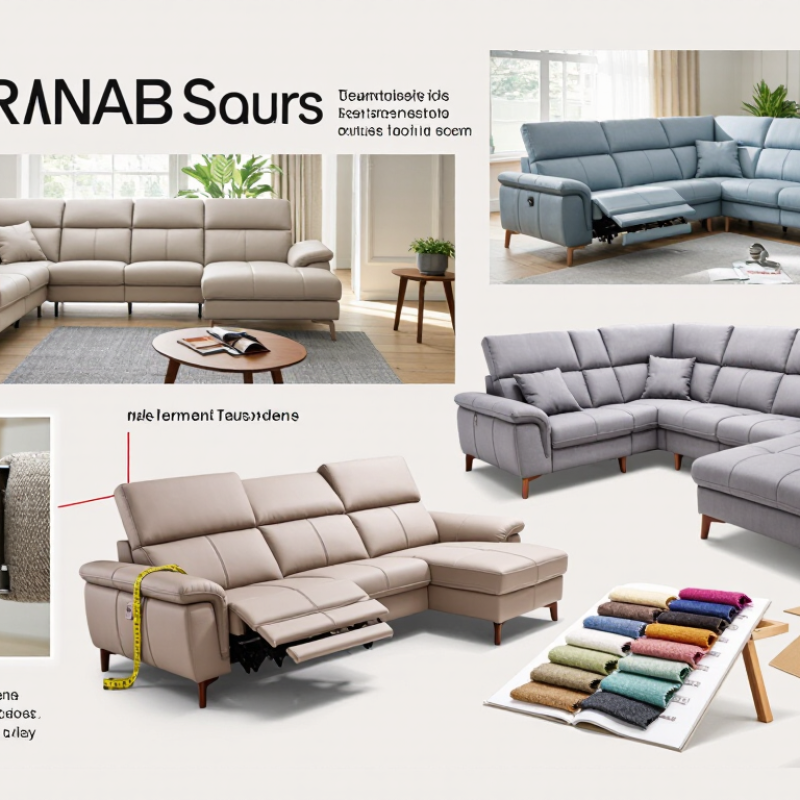
A modular sofa manufacturer in China does more than assemble seats and cushions. It must turn a buyer’s layout, dimensions, and fabric choices into repeatable production specifications. Ask how modules connect, whether corner and armless units align, and how covers can be removed for cleaning. A useful sample review checks seam straightness, cushion recovery, frame stability, and connector fit. Small details matter. A gap of a few millimeters can become obvious when several units sit together.
Reliable manufacturers document materials, component changes, and inspection steps rather than relying on verbal promises. Request clear drawings, fabric swatches, packing details, and photos of finished products before approving a production run. Export experience also matters: modular pieces need protective packaging that limits abrasion and damage during handling. Still, no checklist catches every mismatch, and a showroom sample may not represent every later batch perfectly. Buyers should agree on measurable acceptance criteria and keep a record of approved specifications. Communication is part of the product. A factory that explains limits early can be more dependable than one that simply says yes.
China’s modular sofa industry serves global buyers through flexible production, export experience, and varied upholstery and frame options. Suppliers may build corner units, armless seats, ottomans, and chaise sections for different room plans. Buyers can discuss seat depth, cushion firmness, fabric performance, and connector placement before production. Accurate room measurements help prevent costly surprises.
Factories may provide material swatches, sample modules, packaging plans, and shipping coordination. Request written specifications for frame material, foam density, fabric composition, module dimensions, and carton size. Details matter. Check samples for seam quality, color under natural light, and how securely modules connect on a hard floor. Export packaging also deserves attention; bulky pieces can arrive with damaged corners if protection is weak.
The process is not effortless. Custom fabrics may extend lead times, while a showroom sample cannot show how cushions feel after months of use. Confirm inspection points, replacement-part availability, and sample freight costs. Communication quality varies between suppliers. Clear drawings, dated approvals, and pre-shipment photos reduce ambiguity, though they cannot remove every risk. A small trial order can reveal practical issues before a larger purchase.
The table below summarizes ten common manufacturing and export capabilities relevant to modular sofa sourcing in China. Availability, specifications, certifications, and commercial terms vary by supplier and should be confirmed for each order.
| No. | Capability or Sourcing Dimension | Typical Options or Details | Relevance to Global Buyers | What to Verify |
|---|---|---|---|---|
| 1 | Modular configuration | Common module types include armless seats, corner units, ottomans, and chaise sections; combinations depend on the product system. | Lets buyers adapt layouts for different room sizes, retail assortments, and regional preferences. | Check connection hardware, module dimensions, layout diagrams, and whether components can be reordered individually. |
| 2 | Frame construction | Frames may use engineered wood, solid wood, metal components, or a combination, depending on design and specification. | Construction affects weight, durability, cost, and the product’s suitability for intended use. | Request a material specification and clarify the frame warranty and applicable performance requirements. |
| 3 | Cushion materials | Seat and back cushions can use different foam, fiber, or mixed fills; firmness and construction are set by the product specification. | Comfort, shape retention, and care needs can vary significantly with cushion materials and design. | Confirm fill composition, firmness, removable-cover details, and the agreed sample standard. |
| 4 | Upholstery selection | Fabric and synthetic upholstery choices may include different colors, textures, and performance characteristics; selection depends on the supplier’s material range. | A defined upholstery specification helps align appearance, cleaning expectations, and market positioning. | Request physical swatches and confirm color tolerance, cleaning instructions, and any required test reports. |
| 5 | Dimensions and customization | Overall size, seat depth, leg style, fabric, and module combinations may be customizable, subject to tooling and production constraints. | Customization can help accommodate local room sizes, consumer preferences, and channel requirements. | Approve dimensioned drawings and a production sample before confirming bulk specifications. |
| 6 | Quality control | Quality checks can cover incoming materials, dimensions, upholstery, assembly, function, and final packing; inspection plans vary by order. | Documented checks help buyers set consistent acceptance criteria for repeat orders. | Agree inspection points, defect definitions, sampling approach, and corrective-action procedures in writing. |
| 7 | Packaging and shipment preparation | Packaging may be designed for assembled or partially disassembled products, with protective materials selected for the shipment and sales channel. | Package size and protection affect freight planning, handling, storage, and the risk of transit damage. | Check carton dimensions, gross weight, packing method, labeling, and suitability for the destination’s delivery conditions. |
| 8 | Compliance documentation | Required product, material, labeling, and chemical documentation depends on the destination market and the specific product. | Early compliance checks can reduce import delays and help meet applicable market rules. | Identify destination requirements and verify that documents and test reports match the actual materials and finished product. |
| 9 | Order terms and production planning | Minimum order quantities, sampling, production schedules, and payment terms are negotiated and can differ by design, materials, and order size. | Clear commercial terms support launch planning, inventory decisions, and repeat purchasing. | Obtain a written quotation covering specifications, quantities, sample approval, schedule, and order-change terms. |
| 10 | After-sales and spare parts | Support may include assembly instructions, replacement components, or warranty handling, subject to the supplier’s policies and contract. | A defined support process can help retailers and distributors manage customer service after delivery. | Clarify warranty coverage, response process, spare-parts availability, and responsibility for freight or replacement costs. |
A useful evaluation starts with the sofa’s structure, not its showroom appearance. Ask what the frame is made from and how each module connects. Metal brackets should align cleanly, without forcing pieces together. Check whether connectors remain accessible after upholstery and whether replacement parts can be ordered later.
Comfort needs measurable details. Request foam specifications, cushion dimensions, and fabric abrasion-test results. Then sit on a sample and check how quickly the cushions recover. Small differences matter. Review stitching around corners, zipper placement, and whether covers can be removed for cleaning. A polished sample is helpful, but it cannot prove that every production batch will match.
For export orders, assess quality records, packaging methods, and communication before confirming a supplier. Ask for inspection criteria and clear photos of carton protection, especially around exposed sofa legs and module corners. Confirm lead times in writing, including sample approval and packing stages. No checklist catches everything. One weakness in this approach is that documents can look complete while actual work varies, so independent inspections or a pre-shipment sample review may add useful evidence. Check how the manufacturer handles defects and replacement components, not only how quickly it answers the first inquiry.
Suggested evaluation weights for global buyers. These are planning guidelines, not measured scores or rankings of manufacturers.
Compare suppliers using consistent evidence, such as product specifications, test reports, production details, delivery terms, and warranty policies.
Chinese modular sofa manufacturers serve different production needs, so buyers should compare capabilities rather than rely on catalog photos. One profile specializes in compact designs for apartments, with narrow arms and detachable sections. Another focuses on configurable family seating, offering chaise ends and movable ottomans. A third emphasizes solid-wood frames and detailed joinery. A fourth develops metal-frame designs for contemporary interiors. A fifth offers broad fabric and color selection. A sixth provides leather and other upholstery options. A seventh concentrates on export packaging and container loading. An eighth supports custom dimensions for hospitality projects. A ninth prioritizes rapid sampling and repeatable production. A tenth offers value-focused models with simpler configurations. These are useful supplier profiles, not guarantees of performance.
Ask each factory for frame specifications, foam density, fabric test details, and photographs of finished orders. Request a sample module and check whether its connectors align without force. Confirm carton dimensions, spare-cover availability, lead times, and how defects are handled. Small gaps matter. A low quotation may exclude packaging or custom fabric, while an attractive sample may not reflect bulk consistency. Verify claims through documents and a clear written specification.
Tips: Share room dimensions, intended use, and target market before requesting a quote. Compare like-for-like configurations, including fabric grade and delivery terms. Keep one uncomfortable question in the process: what could fail after six months of daily use?
For global buyers, comparing modular sofa suppliers means checking repeatability, not just showroom appeal. Request a bill of materials, module dimensions, fabric abrasion results, foam density, and carton measurements. Then compare the same configuration across quotations. Details matter. A 10-millimeter frame change can affect how modules align after delivery. Ask for dated production photos and a pre-shipment inspection checklist; a polished sample alone cannot prove batch consistency.
Plan sourcing around the route as carefully as the product. The World Bank’s 2023 Logistics Performance Index evaluates 139 economies across six areas, including customs, tracking, and timeliness. Use those dimensions to question a supplier’s export process, then confirm port options, lead times, packaging protection, and who handles damage claims. UNCTAD estimates that about 80% of world trade by volume moves by sea, so container planning matters. Compare carton volume per set, not only unit price. A lower quote may consume more container space. Build in a schedule buffer. It may still be too small. Review samples, specifications, and shipping assumptions together before committing; I would leave room for one awkward surprise, because real production rarely follows a perfect spreadsheet.
Copyright © 2021 Payless Pet Products - All Rights Reserved.