Who Are the China Top 10 Chili Sauce Manufacturers?
China’s Chili Sauce industry is broad, competitive, and shaped by regional taste. Sichuan producers often emphasize fermented chili, garlic, and deep savory notes. Guangdong manufacturers may pursue smoother textures and milder heat. Other factories focus on export-ready recipes, private-label production, or foodservice packaging.
Food writer and Chinese cuisine authority Fuchsia Dunlop has observed, “Chilli is not just about heat; it is about flavour.” That principle guides this overview. The leading manufacturers should not be judged by brand visibility alone. Their capabilities also include ingredient traceability, fermentation control, production hygiene, packaging stability, and overseas compliance. A bright red bottle reveals very little. The factory behind it matters more.
This article examines ten notable Chinese Chili Sauce manufacturers through practical business criteria. These include product range, manufacturing scale, quality systems, export experience, customization options, and market reputation. Some companies are recognized household brands. Others operate quietly as reliable suppliers for restaurants, distributors, and international food businesses.
No ranking is perfect. Public information can be uneven. Company size may also change quickly. Therefore, buyers should verify certificates, audit records, sample quality, minimum order quantities, and delivery terms before making decisions. Taste testing remains essential. A sauce that performs well in a glass jar may behave differently in a restaurant kitchen. Heat levels can also vary between batches, especially when chili varieties and harvest conditions change.
The following list offers a useful starting point, not a final verdict. It helps readers compare China’s strongest manufacturers with clearer expectations and fewer assumptions.
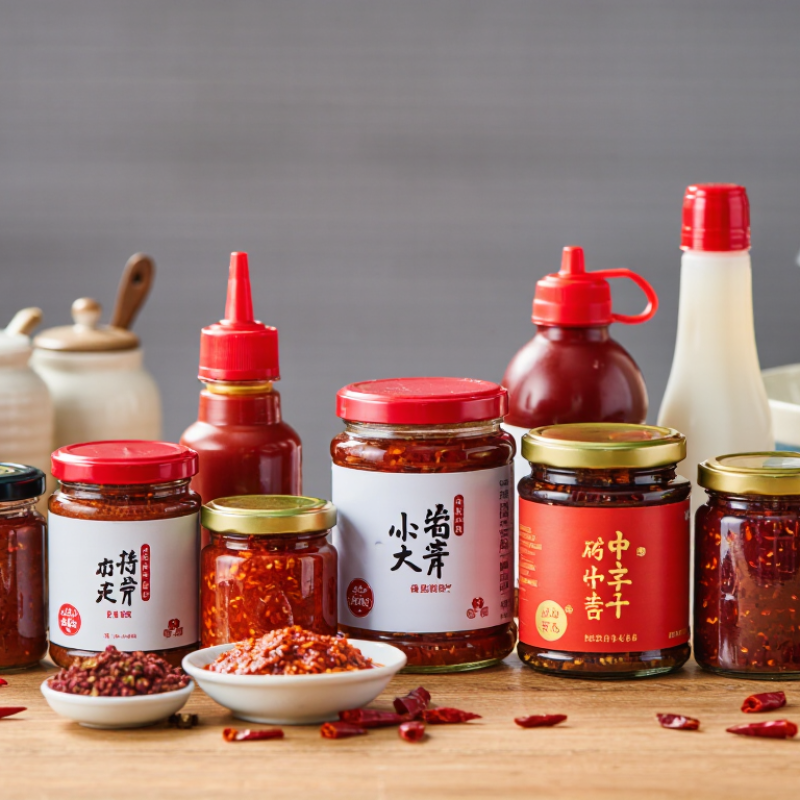
What Defines a Leading Chili Sauce Manufacturer in China
A leading chili sauce manufacturer in China is defined by more than production volume or export visibility. In supplier evaluations, I look for stable recipes, clean processing areas, and clear batch records. The strongest factories control pepper sourcing from farm to filling line. They test color, heat level, moisture, and microbiological safety. Small details matter. A loose cap can damage an otherwise careful shipment.
Reliable manufacturers also maintain documented food safety systems, trained workers, and traceable raw materials. Their laboratories should verify each batch against written specifications, not personal judgment. Equipment must be cleaned on schedule, with records available for review. Packaging deserves equal attention. Strong bottles, accurate labels, and suitable seals protect sauce during storage and transport. Good communication helps too, especially when a buyer needs a custom texture or heat profile.
However, selecting China’s top ten manufacturers is not perfectly objective. Price, capacity, certifications, and regional sourcing can change the ranking. A polished factory tour may hide weak follow-up controls. I have seen impressive samples fail to match later production, which remains a serious warning. Buyers should request recent inspection reports, product samples from different batches, and evidence of corrective actions. The best manufacturer is not always the largest. It is the one that consistently proves its process, admits occasional weaknesses, and improves them.
How China’s Chili Sauce Industry Has Developed
China’s chili sauce industry has moved from regional kitchen production to a highly organized manufacturing sector. Earlier producers often relied on local recipes, stone grinding, and seasonal pepper supplies. Today, larger factories use controlled fermentation rooms, stainless-steel mixers, and automated filling lines. The change is visible.
The top ten manufacturers are not always the same. Rankings depend on output, export records, food safety systems, regional influence, and product consistency. Strong producers usually source peppers through documented supply networks. They also test color, moisture, acidity, and microbial safety before packaging. These procedures help factories serve restaurants, retailers, and overseas distributors with fewer quality variations.
However, development has not removed every weakness. Some smaller facilities still struggle with modern traceability and stable raw material supply. Traditional flavor can also become diluted when factories standardize every step. That is a real concern. Sustainable growth requires both disciplined quality control and respect for regional taste. Producers are now improving low-temperature processing, cleaner labels, recyclable packaging, and digital batch tracking. These upgrades support safer distribution and clearer responsibility. Yet technology alone cannot guarantee good sauce. Ingredient judgment, fermentation timing, and careful sensory checks still matter. The industry is advancing, but its best future may depend on balancing factory precision with the character of handmade food.
The Top 10 Chili Sauce Manufacturers in China
China’s top ten chili sauce manufacturers are best compared through measurable factory performance, not popularity alone. The shortlist should include large-scale processors, regional specialists, export-oriented producers, and manufacturers serving restaurant supply chains. Their strengths usually involve fermented chili bases, roasted pepper sauces, garlic blends, and finely controlled oil systems. Factory visits often reveal the difference: clean filling rooms, stainless-steel tanks, batch records, and stable particle sizes matter more than attractive packaging.
Industry data supports this expanding field. IMARC Group estimated the global hot sauce market at approximately US$5.5 billion in 2023. Mordor Intelligence forecasts continued growth at roughly 6% annually through the latter part of this decade. China’s manufacturers benefit from broad pepper supply, mature food-processing infrastructure, and strong domestic demand. The leading ten should therefore be assessed by annual output, export compliance, laboratory testing, and lead-time reliability. Price alone is a weak filter.
Quality can change between batches. That deserves attention. Buyers should request recent microbiological reports, allergen controls, pesticide-testing records, and samples from different production dates. Custom viscosity, capsaicin levels, salt content, and filling sizes also reveal technical capability. Some factories communicate well but document poorly; others provide excellent records yet struggle with smaller orders. My ranking would remain provisional without independent audits, because published supplier information can be incomplete, outdated, or overly promotional.
Who Are the China Top 10 Chili Sauce Manufacturers?
The Top 10 Chili Sauce Manufacturers in China — Capability Overview
This chart compares commonly documented manufacturing capabilities among leading China-based chili sauce suppliers. The figures represent the number of manufacturers in a reference group of ten with each capability publicly listed in product or service information; they are not company rankings or brand sales figures.
How the Leading Brands Compare by Products and Markets
China’s top ten chili sauce manufacturers differ more by product focus than factory size.
Some specialize in fermented bean sauces, with deep umami and visible chili flakes. Others produce sweet chili, hotpot dipping sauces, or smooth cooking pastes. Product texture matters. A spoonful should spread evenly, not separate after heating. Many manufacturers offer mild, medium, and extra-hot formulas for different regional tastes. Their catalogs often include glass jars, squeeze bottles, sachets, and foodservice tubs.
Their market coverage also varies. Export-focused factories commonly support private-label projects, multilingual packaging, and container-scale orders. Domestic specialists may respond faster to smaller batches and local flavor preferences. Buyers should compare annual capacity, minimum order quantities, lead times, and filling accuracy. A strong sample can hide weak shipment consistency. Batch records, allergen controls, microbial testing, and traceable raw materials deserve equal attention. Certifications help, but current audit evidence matters more than a logo.
The strongest manufacturers balance recipe development with practical cost control. They test sauces on noodles, grilled meat, and steamed vegetables, not only in laboratory cups. Packaging performance matters during humid storage and long transport. A leaking cap can damage an otherwise excellent product. Market fit remains imperfect. A sauce popular in Sichuan may seem too salty elsewhere. Buyers should run blind tastings with local consumers before committing. This comparison can change as capacity, equipment, and export experience develop. Rankings are useful, but they should not replace factory visits, verified samples, and careful contract review.