Choosing a Freezing Weather Sleeping Bag supplier in China takes more than comparing catalog photos. Buyers need to examine insulation, shell fabric, construction, temperature ratings, and production consistency. A bag may look warm on a product page, yet its performance depends on materials, fit, moisture control, and how it is tested. Details matter.
This guide introduces ten suppliers for buyers evaluating cold-weather sleeping bags. It focuses on practical questions: Can the supplier provide clear product specifications? Are sample orders available? What customization, minimum quantities, and lead times apply? Ask for supporting test information, and confirm how temperature ratings were determined. Standards and testing methods can differ, so compare like with like.
A useful shortlist is a starting point, not a guarantee of quality. Supplier details, product ranges, and export experience can change, and a polished website does not prove consistent factory performance. Request a sample where possible, inspect seams and zippers, and compare the packed dimensions with your intended use. Check whether the stated fill and fabric details match the quotation. A low price may come with trade-offs; the reverse can also be true. No single supplier fits every project. Reviewing evidence carefully may take time, but it can prevent costly assumptions.
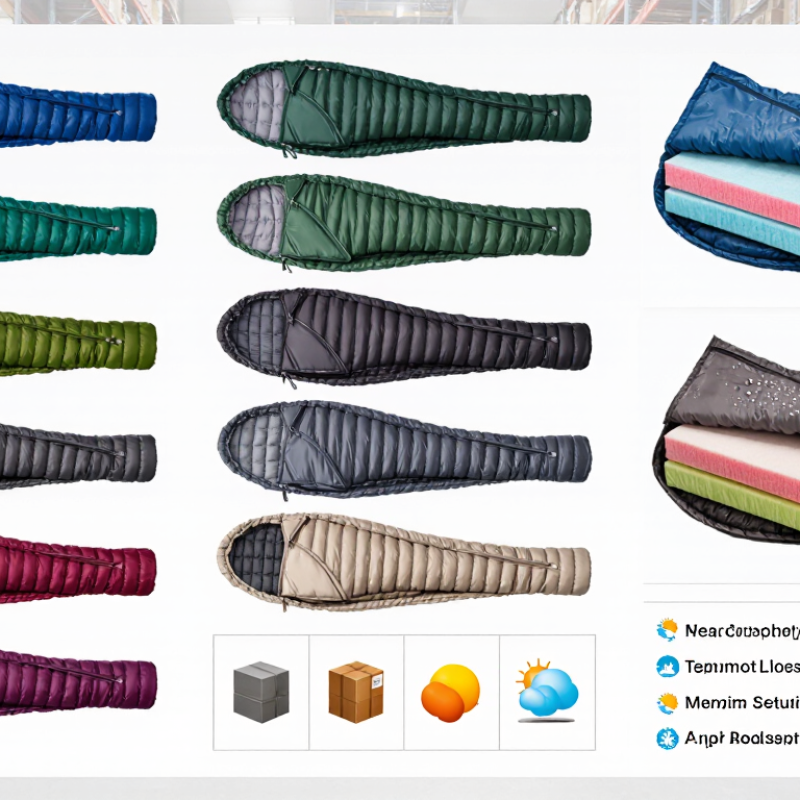
A freezing-weather sleeping bag supplier is defined by verified performance, not impressive product photos.
ISO 23537-1 requires thermal testing with a heated manikin under controlled conditions. This helps separate laboratory warmth from marketing claims.
A reliable supplier should provide test methods, temperature limits, filling weight, fabric composition, and batch records. The European Environment Agency reports that textile production creates significant environmental pressure, so traceable materials and responsible chemical controls also matter.
Real experience exposes weak suppliers quickly.
In sub-zero camps, a zipper can freeze, moisture can flatten down, and a narrow hood can leak heat. Suppliers should test bags in cold chambers and outdoor field conditions.
The U.S. Outdoor Industry Association’s 2024 participation report recorded continued growth in outdoor recreation, increasing demand for dependable cold-weather equipment. However, larger demand does not guarantee better manufacturing.
I would question any supplier offering extreme ratings without independent test evidence. Small details matter. Stitching matters.
Tips:
Ask for ISO 23537-1 test reports, not only temperature labels. Check whether the comfort rating suits your clothing and sleeping pad. Request photos of baffle construction and zipper guards. Compare fill power, fill weight, and packed volume together. A high fill-power figure alone can mislead. Also inspect quality-control procedures, moisture testing, repair support, and sample consistency. One sample may perform well; repeated production proves capability. Suppliers should explain failures honestly, too. That is uncommon, but valuable.
Selecting the China top 10 freezing weather sleeping bag suppliers requires more than comparing online listings. The selection should begin with factory experience, material knowledge, and verifiable production records. Suppliers must provide clear temperature ratings, insulation details, fabric specifications, and stitching information. These details help buyers judge performance in freezing conditions.
Practical testing matters. Samples should be checked in cold environments, not only photographed in a showroom. Reviewers can inspect zipper movement, hood adjustment, seam strength, moisture resistance, and packing size. Factory audits should examine equipment, worker training, quality controls, and batch traceability. Independent test reports add credibility, especially when they match the actual product sample. Numbers can mislead. Field evidence matters.
Tips: Request samples before placing large orders. Compare comfort and limit temperatures using the same testing method. Ask for inspection records, production timelines, minimum order quantities, and replacement policies. Suppliers with stable communication and honest limitations deserve more trust than those promising unrealistic warmth. It is also useful to check export experience and documentation for the target market. However, no selection method is perfect; laboratory results may not fully reflect wind, humidity, or personal sleeping habits. That uncertainty should remain part of the evaluation.
How the Top 10 Chinese Suppliers Are Selected
This weighted screening framework evaluates suppliers using evidence that matters for freezing-weather sleeping bags: verified thermal performance, manufacturing and quality-control capability, material suitability, export readiness, production capacity, and customization support. Thermal ratings should be supported by recognized laboratory testing, such as ISO 23537, rather than relying only on marketing claims.
China’s leading sleeping bag manufacturers differ by material focus, factory scale, and testing experience. This profile compares ten useful supplier types, rather than claiming a permanent ranking. One manufacturer specializes in down bags for severe cold. Another focuses on synthetic insulation for damp conditions. A third produces lightweight alpine designs with narrow, heat-saving shapes. Details matter.
A fourth supplier offers high-volume OEM production for outdoor retailers. A fifth develops recycled shell fabrics and traceable insulation. A sixth serves family camping markets with wider sleeping bags and simple temperature ratings. A seventh builds compact expedition models with draft collars, zipper guards, and insulated footboxes. An eighth concentrates on custom colors, logos, and packaging. A ninth produces budget-friendly bags, but buyers should inspect stitching and fill consistency carefully. A tenth combines sleeping bag production with fabric testing and sample development.
Experienced buyers should request fabric specifications, fill weight, insulation composition, and measured packed size. Temperature claims need careful review. Comfort ratings may vary between users, clothing, and sleeping pads. Ask whether testing follows recognized standards, such as EN ISO 23537, and request recent documentation. Samples can mislead. A production inspection is still valuable. Check baffle alignment, zipper movement, loose threads, odor, and moisture resistance. Factory photographs help, but they do not replace direct communication or independent verification. Some suppliers may promise rapid customization, yet complex insulation changes usually require extra sampling time. The strongest manufacturer is not always the largest; it is the one that explains limitations clearly and maintains consistent quality.
Choosing among China’s top freezing-weather sleeping bag suppliers requires more than comparing prices. Material quality affects warmth, weight, and moisture control. Down insulation offers excellent warmth-to-weight performance, but it loses efficiency when wet. Synthetic filling dries faster and usually costs less. A tightly woven nylon shell can reduce wind penetration, while softer lining fabrics improve comfort during long nights.
Temperature ratings need careful reading. A supplier should explain comfort, limit, and extreme ratings clearly. These figures should follow recognized testing methods, such as EN ISO 23537, rather than informal workshop estimates. I would request test reports, filling weight, loft measurements, and sample bags before placing a large order. Small differences matter. A zipper draft tube, insulated hood, and shaped footbox can prevent cold spots.
Custom options often include colors, logo placement, fabric denier, insulation ratios, and packaging. Experienced suppliers should provide a clear sample process and realistic production schedule. Ask whether materials remain consistent between samples and bulk orders. That detail is easy to overlook. I once considered a lighter shell attractive, but it felt fragile near rough ground. My judgment was incomplete. Reliable communication, factory inspection records, and documented quality checks matter as much as the advertised temperature rating. Suppliers who welcome independent inspection usually inspire greater confidence.
When evaluating Chinese sleeping bag suppliers, begin with factory evidence, not attractive catalog photos. A reliable supplier should provide registration details, production capacity, and clear contact information. Ask for recent factory videos or arrange an independent audit. Check cutting rooms, sewing lines, filling areas, and finished-goods storage.
Request technical documents for insulation type, fill weight, fabric composition, zipper performance, and temperature testing. The comfort rating must explain its testing method. Labels alone prove little. Request samples from the same production line used for bulk orders. Test them in cold conditions, then inspect stitching, seams, hood adjustment, and moisture resistance. Small defects matter.
A practical sourcing lesson is simple: the cheapest quotation may hide weak filling control. Compare five suppliers using identical specifications. Record response time, sample quality, revision speed, minimum order quantity, and packaging details. Ask how rejected materials are handled. Ask for batch records and pre-shipment inspection procedures. An independent inspection can verify dimensions, weight, workmanship, and carton counts.
Do not trust promises alone. Put approved materials, tolerances, delivery dates, and remedies into the contract. Payment terms deserve equal attention. A supplier may pass one sample and fail later production. This remains a common risk. Keep a sealed reference sample, approve a pre-production sample, and inspect before shipment. Suppliers that answer technical questions clearly usually deserve closer consideration.
Copyright © 2021 Payless Pet Products - All Rights Reserved.