Choosing the right Automatic Folding Scooter in 2026 means looking beyond a quick fold button or a generous range claim. The best option is the one that fits your daily routes, storage space, and ability to lift or transport it. A scooter that folds in seconds may still be too heavy for your car trunk. Small details matter.
This guide explains how to compare folding mechanisms, folded dimensions, total weight, weight capacity, battery range, comfort, and service support. Check manufacturer specifications, then ask a qualified dealer to clarify anything that seems unclear. For range, consider hills, rider weight, temperature, and stop-and-go travel; real-world results can differ from advertised figures. If possible, test the controls and turning radius in a familiar setting. Can you reach the latch? Does the seat feel stable? These answers are more useful than a polished product photo.
There is no perfect scooter for every rider. Some buyers may prioritize a lightweight frame, while others need a longer range or a more supportive seat. And one trade-off is easy to miss: a compact folded design can mean less room for accessories. Compare warranty terms and local service availability before deciding. Keep your own notes. A checklist helps, though it cannot capture every bump in the pavement. This introduction sets up a practical, evidence-minded comparison so you can choose with confidence—and reconsider when a feature sounds better on paper than it feels in use.
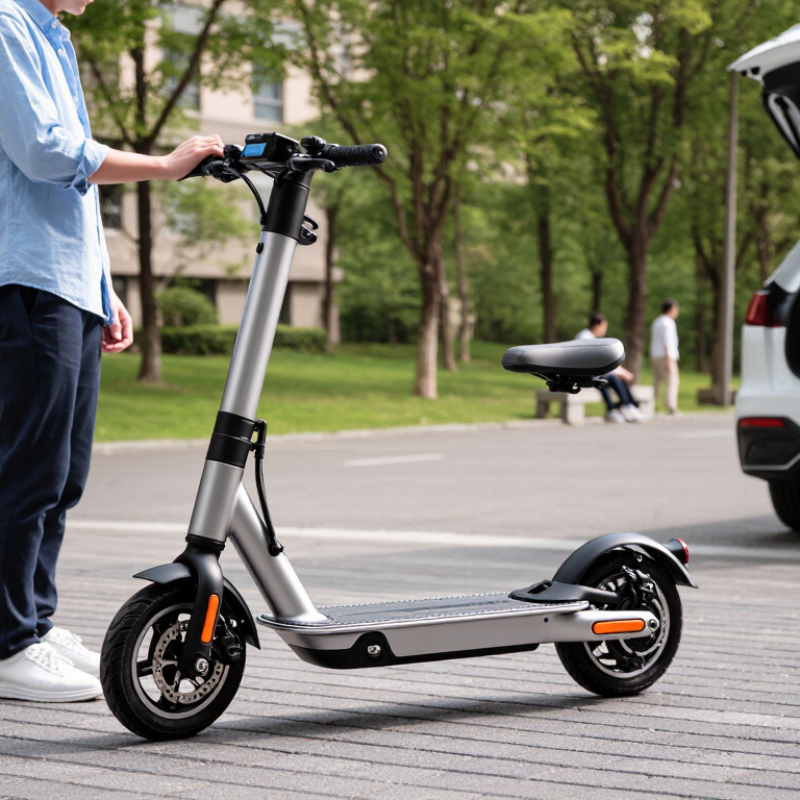
An automatic folding scooter uses hinges, locking points, and sometimes a motor to change from riding mode to a compact shape. The folding method matters as much as the scooter’s folded size. Common designs use a button, a remote control, or a manual release with assisted movement. Powered folding can be convenient, but it depends on a charged battery and working controls. Simple controls help.
Look closely at where the frame joints meet. A secure latch should engage clearly, and the frame should not wobble once opened. Keep fingers away from hinges while folding; moving parts can pinch. Some models require a particular sequence, such as lowering the tiller before folding the seat. Check the manual and practice on level ground. It may take a few tries.
Consider how you will lift and store the scooter, not just how quickly it folds. Measure your vehicle’s trunk opening and compare it with the scooter’s folded dimensions. Also check the folded weight: a compact scooter can still be awkward to lift. If possible, test the folding process in person. Notice whether you can release the latch comfortably and lift the folded frame without straining. A clever mechanism is less useful if it feels difficult in everyday use.
Choosing an automatic folding scooter starts with the trips you actually make. List your usual routes: a grocery aisle, a steep driveway, or the walk from a parking space to a clinic. Note the narrowest doorway and tightest turn. These details help you compare scooter width, turning space, and ground clearance with your real surroundings. A scooter that folds neatly may still feel awkward in a crowded hallway.
Consider how often you travel, and what happens between rides. Check the folded dimensions and weight against your car trunk, stairs, or storage closet. If you will lift it, test the folding process and handling in person; advertised weight alone does not show how easy it feels to manage. Measure twice. Think about your typical distance, then allow a practical battery reserve for detours, cold weather, or changing conditions. Your routine may not stay routine. Physical requirements matter just as much: seat support, legroom, control reach, and comfort over a full trip can affect daily use. If balance, pain, or fatigue changes how you ride, ask a qualified mobility professional to help assess fit and safe operation. A brief showroom test may not reveal everything. Try sitting, turning, folding, and transferring at a realistic pace before deciding.
Example self-assessment: rate how important each factor is to your mobility, travel habits, and physical requirements from 1 (low priority) to 5 (high priority). These sample scores are not product specifications or survey results.
Use your highest-priority factors to compare scooter specifications. Check folded dimensions, total weight, range, and lifting requirements against your own needs, and confirm details with the manufacturer or a mobility professional.
How to Choose the Best Automatic Folding Scooter in 2026?
Range figures are useful, but treat them as estimates, not promises. A heavier rider, hills, cold weather, and frequent stops can reduce real-world distance. Choose enough range for your usual route, plus a reserve for delays. Numbers can mislead. Check whether the stated range reflects conditions similar to yours.
Compare top speed with the places you travel, not just the highest number on a specification sheet. Weight matters too: lift the folded scooter into your car or onto a step before deciding. A lighter model may be easier to carry, but could offer less range or a firmer ride. Check seat support, legroom, suspension, and how steadily it handles uneven pavement. Battery capacity is only part of the picture; charging time, removable-battery options, and replacement availability also matter. There is no perfect combination, and that trade-off can be frustrating.
Tips: Test it loaded. Fold and unfold it several times, then check the battery level after a realistic outing. If possible, try your usual route; a short showroom ride cannot reveal every comfort issue.
When choosing an automatic folding scooter, inspect the safety features before comparing convenience. Check that the brakes engage smoothly, the folding latch locks firmly, and the speed controls are easy to reach. Test the scooter on a gentle slope and over a doorway threshold. Small details matter. The World Health Organization’s 2021 Falls fact sheet reports about 684,000 fatal falls worldwide each year. That figure is not scooter-specific, but it reinforces the value of stable handling and careful transfers. A checklist cannot replace a real test. I would also verify the scooter’s load limit and lighting, even if those details are easy to overlook.
Airline rules deserve a call, not a guess. The Federal Aviation Administration’s passenger guidance covers battery watt-hour limits and arrangements for powered mobility devices; policies can vary by carrier. Send the airline the scooter’s exact model and a clear photo of its battery label before booking. Keep the battery specifications handy. Warranty language matters just as much. Ask what is covered, whether battery capacity is excluded, and who pays for transport during repairs. Then confirm that a trained service provider can access replacement parts locally. A long warranty sounds reassuring, but slow service can leave a scooter unusable. Written answers are better than a vague promise.
A useful test starts with the scooter you will actually carry and ride. Fold it beside your car, then lift it into the trunk without rushing. Check whether the latch catches cleanly and whether the folded frame fits around groceries or a mobility aid. Sit on the seat for several minutes. Then try a tight turn, a short incline, and a rough pavement seam. Small discomforts can matter more after months of daily use.
Compare several models under similar conditions, with the same rider, route, and load where possible. Record the distance, battery level, folding effort, and stopping feel. Treat advertised range as a reference, not a promise; hills, cold weather, rider weight, and frequent starts can reduce practical distance. A single test ride may miss that. I still find battery expectations easy to misjudge.
Set a purchase ceiling, then estimate ownership costs over three years. Include likely battery replacement, tires, brake adjustments, routine service, and any storage or transport equipment you need. Ask a service provider for written estimates and check how easily common parts can be obtained. For example, a lower-priced scooter may cost more if its battery is expensive or service is difficult to access. Keep a small repair allowance. It may feel overly cautious, but an unexpected flat or worn tire can disrupt a carefully planned budget.
Copyright © 2021 Payless Pet Products - All Rights Reserved.