How to Choose the Best Freeze Dried Items for Your Needs?
Choosing the best Freeze Dried Items for your needs can be challenging. With numerous options available, it's easy to feel overwhelmed. Freeze dried items offer many advantages, such as long shelf life and lightweight packaging. You need to consider your lifestyle, dietary preferences, and intended use.
It's worth reflecting on what you'll use them for. Are you preparing for outdoor adventures or stocking up for emergencies? The context matters greatly. Some freeze dried items are more suitable for cooking, while others serve as quick snacks. Exploring various brands can reveal differences in taste and quality.
Pay attention to nutritional content, ingredient lists, and customer reviews. While convenience is crucial, don't overlook the importance of taste. Quality doesn't always equate to cost. Sometimes, higher prices don't guarantee better flavors or nutrition. Taking time to evaluate your options will lead to informed choices.
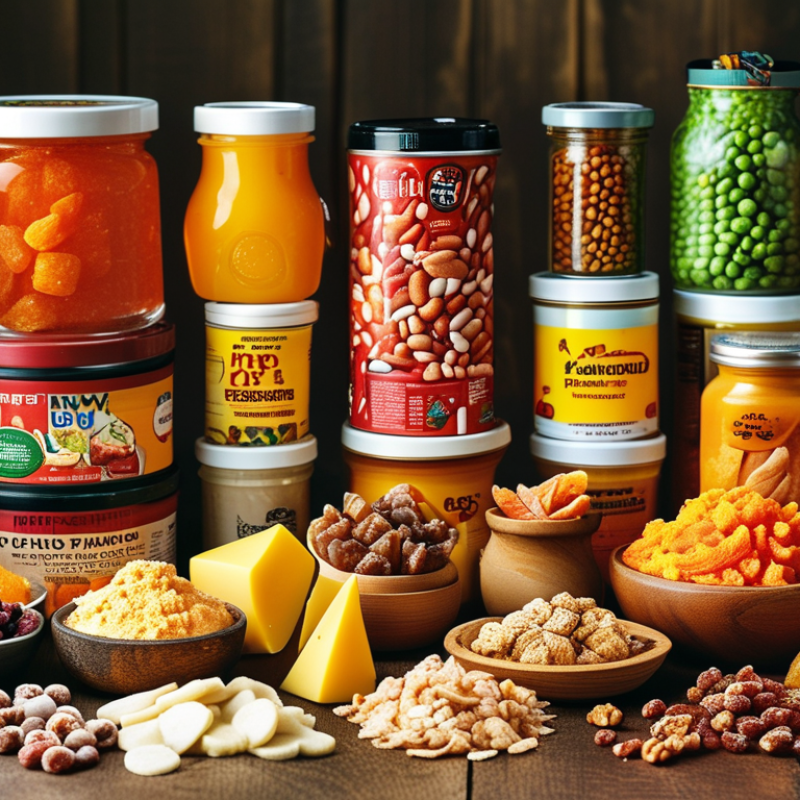
Understanding Freeze Dried Foods: What They Are and How They're Made
Freeze-dried foods are products that retain their nutritional value through a unique process. This process involves removing moisture from the food while preserving flavor and texture. According to industry reports, freeze-dried foods can retain up to 97% of their nutrients. This method has become increasingly popular due to its long shelf life and lightweight nature, making it ideal for emergencies, camping, or everyday convenience.
When choosing freeze-dried items, consider your nutritional needs. Different foods provide varying benefits. For instance, fruits retain their vitamins, while proteins provide essential amino acids. Each food undergoes a careful freeze-drying process, ensuring quality. However, some options may lack fiber. Always check labels for variety.
Tips: Explore a range of freeze-dried options to find balanced nutrition. Mix fruits, vegetables, and proteins for better meals. Store items in a cool, dark place to ensure freshness. It's also good to experiment with meal prepping using freeze-dried foods. You may find them more versatile than expected, serving as snacks or main dishes. Take your time to find what works best for you.
Nutritional Value Comparison: Freeze Dried vs. Other Preservation Methods
When examining nutritional value, freeze-dried foods stand out against traditional preservation methods. The freeze-drying process removes moisture while keeping nutrients intact. Many nutrients remain stable, making freeze-dried fruits, vegetables, and proteins a viable option for health-conscious consumers. Unlike canning or dehydration, which can degrade vitamins, freeze-drying preserves flavor and texture effectively.
Comparisons indicate that freeze-dried items often maintain higher levels of antioxidants and essential vitamins. For instance, freeze-dried strawberries retain nearly 90% of their vitamin C. In contrast, canned fruit can see a noticeable loss during processing. However, it's vital to acknowledge that not all freeze-dried products are created equal. Some may add sugars or preservatives, thereby degrading their nutritional merit.
Choosing the best freeze-dried options requires attention to labels and potential additives. It’s easy to overlook this step when convenience drives choices. Understanding the preparation and storage methods can lead to a better diet. Achieving a balance between convenience and nutrition is key. With mindful selection, freeze-dried foods can be powerful allies in maintaining a healthy lifestyle.
Factors to Consider When Selecting Freeze Dried Items for Emergency Preparedness
When selecting freeze-dried items for emergency preparedness, several factors must be taken into account. Nutritional value is one of the most critical aspects. According to a report by the U.S. Department of Agriculture, food storage solutions should provide essential nutrients. Aim for items that offer a balanced ratio of carbohydrates, proteins, and fats. Look for options that are rich in vitamins and minerals. This will ensure you maintain your health during emergencies.
Another key aspect is shelf life. Freeze-dried foods typically have a shelf life of 25 years or more, making them ideal for long-term storage. Research indicates that the quality of these foods generally remains intact over time, provided they are stored in a cool, dry place. However, consider your own usage patterns. Will you rotate your supplies? If not, opt for items with the longest shelf life to reduce waste.
Taste and variety matter, too. Emergency situations can be stressful. Eating foods you enjoy can boost morale. Reports show that flavor can impact consumption rates during emergencies. Variety prevents meal fatigue, encouraging better nutrition in stressful times. Balancing nutritional needs with personal preferences ensures you're well-prepared for any situation.
How to Choose the Best Freeze Dried Items for Your Needs? - Factors to Consider When Selecting Freeze Dried Items for Emergency Preparedness
| Item Category | Nutritional Value (per serving) | Shelf Life | Water Rehydration Ratio | Ideal Usage Scenario |
| Fruits | 50-70 calories | 25 years | 1:1 (water to food) | Snacking, smoothies, baking |
| Vegetables | 20-50 calories | 25 years | 1:1 (water to food) | Soups, stews, side dishes |
| Meats | 100-200 calories | 15-20 years | 1:2 (water to food) | Main dishes, rations for hiking |
| Dairy Products | 80-120 calories | 20 years | 1:3 (water to food) | Breakfast, baking, sauces |
| Complete Meals | 300-600 calories | 10-15 years | 1:2 (water to food) | Easy preparation for emergencies |
Evaluating Shelf Life and Storage Requirements of Freeze Dried Products
When choosing freeze-dried items, understanding their shelf life is crucial. Most can last anywhere from 10 to 25 years if stored properly. Check the packaging for specific dates. The lifespan varies by food type. Fruits might have shorter durations compared to meats. It’s smart to rotate your stock. Consume older items first to maintain freshness.
Storage requirements are another key consideration. Keep freeze-dried foods in a cool, dark place. Ideal temperatures are between 50°F and 70°F. Humidity can damage these products, leading to spoilage. Using airtight containers enhances longevity. However, not all foods need the same storage conditions. Some snacks might be more flexible. It’s worth researching each item’s needs.
Pay attention to texture and color when selecting products. Products that appear off may not be safe. Always trust your instincts when evaluating quality. Maintain a checklist of what you have. This will help ensure you’re consuming a diverse array of nutrients. Expiration dates are guidelines. Regularly assess your inventory for any potential issues.
Identifying Your Unique Needs: Dietary Preferences and Usage Scenarios
When choosing freeze-dried items, understanding your unique dietary preferences is crucial. Different people have varying needs based on health conditions or lifestyle choices. For instance, a report from the International Journal of Food Sciences indicates that 30% of adults follow specific diets. Many focus on plant-based solutions, which require careful selection of freeze-dried fruits and vegetables. These options can provide essential nutrients while meeting dietary restrictions.
Usage scenarios can also dictate your selection. Backpackers may prefer lightweight, high-calorie meals, while families might seek easy-to-prepare options for quick dinners. According to the Food Processing Association, over 70% of consumers prioritize convenience when buying food. Freeze-dried meals can serve as portable snacks during outdoor activities. This flexibility makes them appealing for many situations.
However, preparing these meals requires water and time, which may not always align with urgent needs. It's essential to reflect on your daily habits and choose products that fit seamlessly into your lifestyle.