Choosing a Beverage Can End in 2026 is a technical decision, not a minor line-item choice. The end must match the can body, filling conditions, product characteristics, opening experience, and production line. A mismatch can show up as poor seaming, difficult opening, or wasted material. Small details matter: the score line, tab shape, end diameter, and coating all affect performance.
Industry data makes the wider context clear. The Can Manufacturers Institute and The Aluminum Association reported a 43% U.S. aluminum beverage-can recycling rate for 2023. That figure concerns cans overall, not ends alone, but it highlights why material efficiency and compatibility with established recycling streams deserve attention. Buyers should also request current technical specifications and test results from suppliers; a product sheet cannot replace line trials. Check seam measurements, pressure performance, opening force, and consistency across production runs.
Robert Budway, president of the Can Manufacturers Institute, is a relevant industry voice on beverage-can recycling and manufacturing. However, no source material was provided here to verify a word-for-word quotation from him, so an exact quote should not be invented. That restraint matters. Choosing an end by price alone may look efficient on paper, yet a small compatibility issue can disrupt a fast-moving line. This guide compares the practical criteria buyers should verify before selecting a Beverage Can End for 2026.
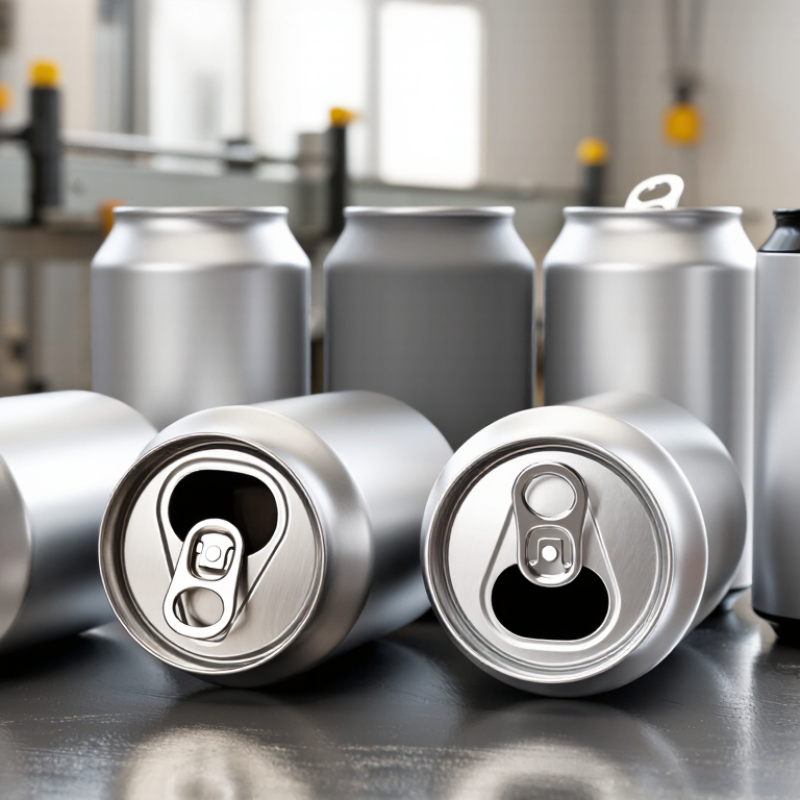
A beverage can end is the metal closure fitted to the can body. Its rim is joined to the body with a double seam, creating a tight seal. Many ends include a scored opening panel, a pull tab, and a small rivet that holds the tab in place. When lifted, the tab presses against the panel and breaks the score line. The opening stays attached rather than falling into the drink. Small parts matter. The end must contain internal pressure while remaining practical to open.
End design affects filling-line performance, product protection, and the drinking experience. Selection depends on the can’s dimensions, the seaming equipment, and the beverage’s pressure and handling needs. A mismatch can cause sealing problems or slow production. Check technical drawings and seaming specifications with the can supplier, then confirm performance through production trials. A sample that opens smoothly by hand may behave differently on a fast line. That detail is easy to overlook.
Tips: Inspect the seam for consistent formation, and test opening force across several samples. Check for leaks after handling and storage trials. Record the end type and setup used; otherwise, comparisons can become unreliable. Don’t rely on appearance alone.
How to Choose Beverage Can Ends in 2026?
Beverage can ends vary in opening size, tab design, and how much of the scored panel lifts away. A standard stay-on-tab end leaves the panel attached after opening, helping prevent loose metal pieces. It suits many carbonated drinks and everyday beverages. Wide-opening ends expose more of the can, making them practical for thicker drinks or ice. Full-aperture designs offer a broad opening, but they may change pouring speed and drinking feel. Small details matter.
Look closely at the tab’s grip, rivet strength, and opening force. A tab should be easy to lift without feeling loose, even with cold or damp fingers. The scored area also affects how cleanly the panel opens. For sparkling drinks, controlled opening and a smooth edge matter; for beverages served over ice, a wider aperture may be preferable. Test it filled. Compare samples at serving temperature, not just on a desk. Check opening effort, leakage, pour control, and how the end fits your filling line. One trade-off is easy to miss: a larger opening can improve access but may reduce drinking comfort for some users. The best choice depends on the drink, package handling, and real user trials.
Compare nominal end diameters by common end code. Opening features such as stay-on tabs and standard or larger apertures depend on the specific end design.
Diameters are nominal values calculated from the end-code convention; they are not opening diameters. Confirm end and opening specifications match the can body and seaming requirements.
A beverage can end must match the can body, filling line, and product conditions. Aluminum ends are lightweight and commonly paired with aluminum cans. Steel ends may suit some steel-body formats, but material combinations need careful review. Check the end’s coating and interior lining, too. Acidic drinks, salts, and long storage can challenge protective layers. A small mismatch may lead to corrosion or unwanted flavor changes.
Size is more than the opening diameter. Confirm the end profile, curl, countersink, and seam dimensions against the can body and seaming equipment. Even a slight variation can affect sealing. Ask the end supplier and can maker to confirm compatibility using current specifications. Then run production-line trials and inspect seams, leaks, and opening performance. A sample that fits by hand is not proof of a reliable production seal; this step is easy to underestimate.
Tips: Share the drink type, carbonation level, storage conditions, can-body details, and line speed when requesting options. Keep trial records, including seam measurements and defect rates. Recheck them after equipment changes. It takes time, but skipping the checks can cost more.
How to Choose Beverage Can Ends in 2026?
How to Compare Performance, Safety, and Sustainability
A can end must match the body, filling pressure, product, and seaming equipment. Compare opening force, score consistency, leak resistance, and double-seam measurements using production-line trials. A tab that opens smoothly in a lab may behave differently after transport or temperature changes. Check multiple production lots, not just one sample. Small differences matter.
Safety depends on reliable seams and controlled opening, not appearance alone. Ask suppliers for documented pressure, leak, and dimensional test results, then verify them against your own line conditions. Sustainability needs similar scrutiny. A lighter end can reduce metal use, but only if it still protects the drink and runs without excessive rejects. The International Aluminium Institute reported a global beverage-can recycling rate of about 71% in 2022. That figure shows recycling’s value, but local collection and sorting still affect what happens to each can.
Tips: Request end specifications, test samples at your normal filling speed, and inspect seams after transport simulation. Compare material weight alongside defect rates. One point is easy to miss: a design that saves a fraction of a gram may lose its advantage if it increases waste. Check the evidence—and keep questioning your assumptions.
How to Choose Beverage Can Ends in 2026?
How to Match a Can End to Your Beverage and Filling Process
Fit comes first. Match the end diameter and profile to the can body, seaming chuck, and tooling already installed on your line. Then check the opening size against how people will drink the product. A narrow opening can suit a carbonated drink, while a wider opening may improve access for thicker beverages. Product chemistry matters too: acidic formulas and salty ingredients can challenge internal coatings. Ask suppliers for compatibility data using your actual formulation, not a generic sample.
Tips: Confirm end and body specifications together. Run seam measurements, teardown checks, and pressure tests at normal line speed. For hot-fill or retort processing, validate the complete thermal cycle. A bench test is useful, but it cannot reveal every line issue.
Carbonation creates different demands from still drinks. The end must withstand expected internal pressure, while the seamer must form a consistent double seam without damaging the score. Check that opening force and venting feel acceptable after processing. The Can Manufacturers Institute’s 2023 U.S. aluminum-can recycling report puts the beverage-can recycling rate at about 43%. That figure is a reminder to prioritize compatible, recyclable packaging components where available. Still, recyclability alone does not prove a design will run well. A small caveat: lab approval is not a production guarantee. Record results across several batches, since small changes in fill temperature or seam setup can matter.
| Beverage and package condition | Filling process considerations | Can-end matching guidance | Checks before production |
|---|---|---|---|
| Carbonated soft drinks Carbonated, pressure-bearing product | Counter-pressure filling is commonly used to limit foaming and retain carbonation. Product temperature and carbonation level affect package pressure. | Choose an end-and-body combination rated for the product’s expected pressure and handling conditions. A common end format may be suitable only when it matches the can body and seaming system. | Confirm pressure requirements, end profile, liner compatibility, seam specifications, and the supplier’s package performance limits. |
| Beer and carbonated cider Carbonated product; oxygen pickup can affect quality | Filling and closing practices should control oxygen pickup, foam, and product temperature. Line layout and seamer capability are part of the package choice. | Match the end to the can body, pressure conditions, and seamer tooling. Stay-on-tab ends are widely used for beverage cans, but tab design and opening performance should suit the intended use. | Run seam teardown and leak checks; review oxygen-control targets, tab-opening function, and package performance after distribution testing. |
| Still water or non-carbonated drinks Low internal pressure unless specially dosed or processed | Filling may be carried out at ambient or controlled temperatures. Some products or filling systems can create vacuum or require special handling. | Select an end compatible with the body and closing equipment, and account for external handling loads as well as internal pressure. Do not assume a pressure-rated design is automatically suitable for vacuum conditions. | Check product acidity, liner suitability, vacuum or paneling risk, filling temperature, seam integrity, and the required shelf life. |
| Nitrogen-dosed still beverages Still product with gas added for package performance or product presentation | Dose amount, timing, closure delay, temperature, and headspace influence pressure after closing. The process must be controlled and validated for the specific package. | Choose the end and can body based on measured pressure over the full storage and temperature range, not simply on the beverage being classified as still. | Validate dosing accuracy, closure timing, pressure development, seam performance, and package behavior under expected distribution temperatures. |
| Acidic juice, tea, or functional drinks Still or carbonated; formulation varies | Filling may be ambient, chilled, or use a validated thermal process. Acidity, salts, flavor ingredients, and processing conditions can affect internal coating and liner requirements. | Select an end with a compatible internal liner and coating system for the complete formulation and process. End geometry alone does not establish chemical compatibility. | Review formulation and process details with the packaging supplier; assess corrosion resistance, flavor protection, seam integrity, and shelf-life results. |
| Hot-filled or retorted beverage Thermal processing can change package temperature and pressure conditions | Thermal processes require a package designed and validated for the specified time, temperature, cooling, and pressure profile. Standard beverage-can assumptions should not be applied without confirmation. | Use an end-and-body system explicitly approved for the process conditions. Confirm that the end, liner, can body, and seam remain suitable after processing. | Obtain process-specific packaging approval and validate seam integrity, coating and liner performance, and package condition after thermal processing. |
| Any beverage on a high-speed filling line Line speed and changeover requirements matter | The filling line, seamer, feed system, and inspection equipment must all be compatible with the selected can and end. Different end formats can require different tooling or adjustments. | Choose the end by verified fit with the can-body specification and seamer setup. Common formats include 202 ends and selected reduced-diameter designs; availability and compatibility depend on the package system. | Confirm drawings and specifications, chuck and roll compatibility, seam settings, feed orientation, changeover parts, and inspection limits before ordering production quantities. |
Selection note: End size or format alone does not guarantee fit or performance. Confirm the end, can body, liner, seamer tooling, and process requirements together using current supplier specifications and production trials.
Copyright © 2021 Payless Pet Products - All Rights Reserved.