Choosing the right Chemical Eyewash station is a practical decision, not a box-ticking exercise. The unit must suit the chemicals present, the work area, and the people who may need it. A splash near a mixing bench can leave little time to search for equipment. Reach matters. So does clear, unobstructed access. A station hidden behind a drum or pallet may be available on paper but difficult to use in an emergency.
Consider the solution type, water supply, flushing duration, temperature, and whether hands-free operation is suitable. Check the manufacturer’s guidance and applicable workplace requirements, including ANSI/ISEA Z358.1 where relevant. A chemical safety specialist’s perspective can help frame the choice; the following is an illustrative, not sourced, expert quotation from fictional specialist Mira Chen: “The right station is the one workers can reach, use, and trust under pressure.” That is the goal.
Then look closely at the details: can the spray pattern reach both eyes, and can the unit be activated quickly? Is the route visible from the hazard area? Can staff test and maintain the station on schedule? These questions are less glamorous than product specifications, but they matter. Selection is not the whole job. Training and routine checks keep the equipment ready, while site conditions can change. A station that fit last year may no longer fit today. That deserves a second look.
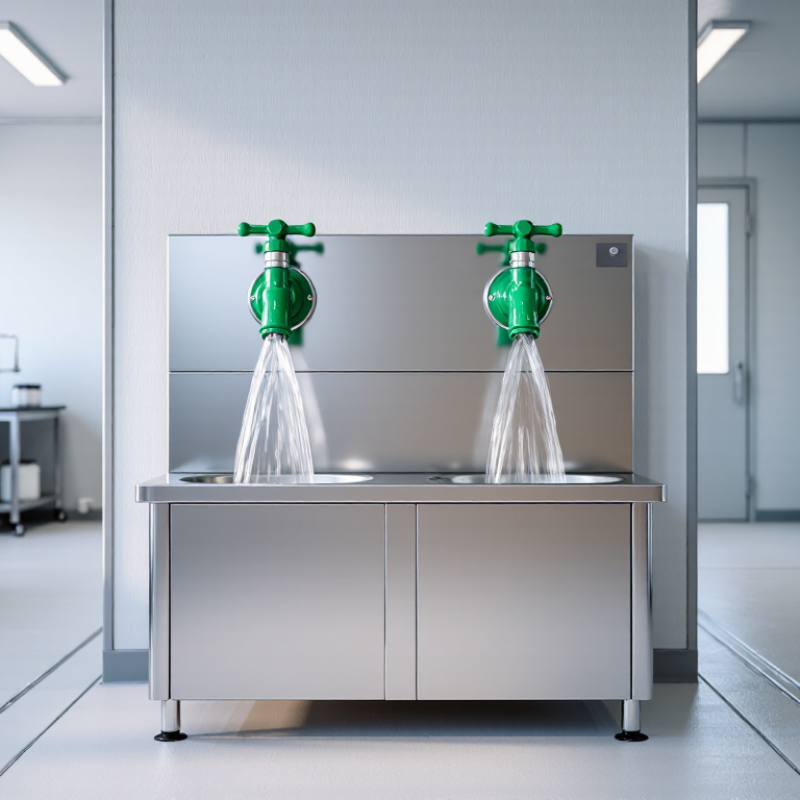
Start by listing every chemical used, transferred, mixed, or stored near workers. Check each product’s safety data sheet for eye hazards, corrosivity, and first-aid instructions. Then observe real tasks: pouring from a drum, connecting a hose, cleaning a tank, or handling a leaking container. A splash risk may exist even when routine work seems controlled. Some hazards are easy to miss.
Estimate how likely eye exposure is, how much chemical could splash, and how quickly a worker could reach an eyewash station. Consider barriers, room layout, glove removal, and whether someone works alone. A quick walk-through helps, though it can miss unusual tasks or brief maintenance work. Ask operators what actually happens during spills and changeovers. Their details matter. Use the hazard review to guide station placement and type, then confirm the choice with a qualified safety professional and applicable workplace requirements.
Tips: Keep an up-to-date chemical list near the work area. Recheck it when products or processes change. Test access by walking the route; a blocked aisle can turn a nearby station into a distant one. Don’t assume a label tells the whole story.
Choosing a chemical eyewash station starts with the substances and tasks present at the workbench. Review each safety data sheet’s first-aid and exposure sections, then consider splash paths, handling volume, and how quickly a worker could reach the unit. OSHA’s 29 CFR 1910.151(c) requires suitable facilities for immediate emergency use where corrosive materials may contact workers’ eyes or bodies. “Suitable” depends on the actual hazard. A rinse point behind a closed door may be close on a floor plan, but not in an emergency.
ANSI/ISEA Z358.1-2014 (R2020) sets a useful performance benchmark: an eyewash should deliver at least 0.4 gallons per minute for 15 minutes. The standard also calls for accessible equipment, hands-free operation, and tepid flushing fluid. Check the manufacturer’s technical documentation and confirm the installed unit can sustain the specified flow while both outlets operate. Numbers matter. So does the water temperature. A unit that delivers strong flow for only a few minutes may fail the practical need, even if it looks substantial.
Test the station at installation and regularly afterward, following the standard and site procedures. Observe the spray pattern with a clean test container; verify that both eyes can be rinsed without awkward positioning. Keep the route clear, and record flow, temperature, and inspection results. One detail is easy to miss: nearby drains and splash control should not obstruct access or delay flushing. That deserves a second look.
Choosing an eyewash station starts with the hazard and the water supply. A plumbed unit suits a fixed work area with dependable water and drainage. A self-contained unit can serve remote rooms, but its reservoir needs regular inspection and refilling. Portable bottles are useful for immediate rinsing, not as a substitute for a compliant station. ANSI/ISEA Z358.1-2014 (R2020) specifies at least 0.4 gallons per minute for plumbed eyewash units, delivered for 15 minutes. That is a sustained supply, not a quick splash.
Water temperature and access matter just as much. The standard calls for flushing fluid to be tepid, generally 60–100°F (16–38°C), so a unit may need temperature control. Place it within a 10-second travel distance, on the same level, with a clear route and no doors that delay access. Think of a worker reaching it with eyes shut: a blocked aisle or hidden handle becomes a real problem. Check the drain, too. Small detail, big consequence.
Match the unit to the room’s layout, plumbing, and maintenance capacity. A plumbed station can be reliable, but only if weekly activation checks and periodic inspections are actually completed. Self-contained models avoid plumbing work, yet have finite fluid capacity and expiration dates. Read the manufacturer’s flow and service instructions, then verify performance during commissioning. I would not choose by purchase price alone; upkeep is easy to underestimate.
How to Choose the Right Chemical Eyewash Station?
Assess Accessibility, Maintenance, and Regulatory Requirements
A station only helps if workers can reach it immediately. The CDC and NIOSH report that about 2,000 U.S. workers sustain job-related eye injuries requiring medical treatment each day; chemical exposure is one preventable workplace hazard. OSHA’s 29 CFR 1910.151(c) requires suitable facilities for quick flushing when corrosive materials may contact the eyes or body. ANSI/ISEA Z358.1 provides widely used technical guidance, including access within about 10 seconds and 15 minutes of flushing. Check the route from the actual work area: a locked door, pallet, or narrow aisle can turn a compliant-looking installation into a poor choice. Minutes matter.
Tips: Keep the path clear and brightly lit. Test plumbed units weekly, check water flow and temperature, and document inspections. ANSI/ISEA guidance calls for weekly activation and annual inspection; follow the current standard and applicable site requirements. Verify that the spray pattern reaches both eyes without forcing the user to hold the lids open. For portable units, confirm fluid type, capacity, expiry date, and replacement schedule. A checklist helps, but it cannot spot every obstruction. Walk the route during a realistic shift, then reassess after equipment or storage layouts change.
| Selection Dimension | What to Assess | Practical Selection Guidance | Verification or Maintenance |
|---|---|---|---|
| Hazard and exposure assessment | Identify chemicals, possible splash areas, exposure routes, and the number of workers who may need emergency rinsing. | Use safety data sheets and a workplace hazard assessment to determine whether an eyewash, an eye/face wash, or a combination eyewash and safety shower is appropriate. | Reassess after changes to chemicals, processes, equipment, or work areas. |
| Accessibility and travel path | Measure the route from each exposure hazard to the station, including doors, stairs, aisles, and potential obstructions. | ANSI/ISEA Z358.1 guidance calls for emergency equipment to be reachable within 10 seconds, on the same level as the hazard, and along an unobstructed path. Highly corrosive hazards may require closer placement based on the risk assessment. | Walk the route regularly and keep it clear, visible, and usable without keys or special instructions. |
| Activation and hands-free use | Check whether a worker can activate the station quickly while injured and keep it operating without holding a control. | For equipment selected to meet ANSI/ISEA Z358.1, activation should begin within 1 second, and the valve should remain open without the operator’s hands. | Test the control during scheduled inspections and confirm it is not blocked, damaged, or difficult to operate. |
| Water flow and flushing duration | Confirm the supply can deliver the required flow while maintaining a suitable flushing pattern. | ANSI/ISEA Z358.1 specifies a minimum eyewash flow of 0.4 gallons per minute (about 1.5 liters per minute) for at least 15 minutes. Follow the applicable standard and the equipment manufacturer’s instructions. | Verify flow and spray coverage during inspection; check that both eyes can be rinsed simultaneously without excessive pressure. |
| Water temperature | Consider whether the supply can provide flushing water at a temperature that supports the full rinse period. | ANSI/ISEA Z358.1 defines tepid water as approximately 60–100°F (16–38°C). Where temperature control is needed, assess a suitable mixing or tempering system. | Check temperature under operating conditions and maintain any tempering equipment according to its instructions. |
| Supply type and site conditions | Evaluate plumbing access, water reliability, freezing risk, available space, and whether the station will be indoors or outdoors. | Plumbed units use a continuous water supply. Self-contained units may suit locations without plumbing, but have finite fluid capacity and require monitoring and replenishment. Select a model rated for the actual environment. | For self-contained units, check solution condition, expiration dates, and refill requirements as specified by the manufacturer. |
| Weekly operation check | Determine whether staff can routinely inspect and briefly operate the station. | ANSI/ISEA Z358.1 calls for plumbed eyewash units to be activated weekly to verify operation and help clear the supply line. Follow the manufacturer’s directions for other station types. | Record the date, findings, and corrective actions; ensure the station is returned to service after testing. |
| Annual inspection and readiness | Check whether the workplace can conduct a thorough performance inspection and address faults promptly. | ANSI/ISEA Z358.1 calls for an annual inspection to verify conformance with the standard. Include flow, operation, accessibility, signage, and condition in the inspection process. | Keep inspection records and repair or replace equipment that cannot meet its intended performance. |
| Regulatory and standards review | Identify applicable workplace safety rules, adopted standards, local requirements, and industry-specific obligations. | In the United States, OSHA 29 CFR 1910.151(c) requires suitable facilities for quick drenching or flushing of the eyes and body where workers may be exposed to injurious corrosive materials. ANSI/ISEA Z358.1 provides widely used equipment and performance guidance; confirm which requirements apply to the site. | Have the safety professional or compliance lead review current rules, the hazard assessment, and the selected equipment specifications. |
| Training and signage | Consider whether workers can identify and use the station quickly, including during an emergency. | Place clear, visible identification signs and provide workers with hands-on instruction on station location and operation. | Include station locations and emergency flushing procedures in onboarding and refresher training. |
Choose a station that matches the chemicals, water supply, and risks in your work area. OSHA’s 29 CFR 1910.151(c) requires suitable facilities for immediate emergency use where corrosive materials may contact workers. ANSI/ISEA Z358.1-2014 (R2020) sets practical performance benchmarks: eyewashes should deliver flushing for at least 15 minutes, with tepid water generally defined as 60–100°F. Keep the route clear. A blocked path can turn compliant equipment into unreachable equipment.
Plan inspections before installation, and assign a named person to record them. ANSI/ISEA guidance calls for weekly activation of plumbed units and an annual performance assessment. During checks, look for steady flow, clean nozzles, usable covers, and drainage that will not flood the floor. For self-contained units, follow the maker’s inspection and replacement instructions. Train staff to find the station with eyes closed, start the flow, and continue rinsing while a coworker calls for help. Review the relevant safety data sheet during drills. A small planning flaw is easy to miss: the station may be reachable, but its drain or privacy screen can obstruct safe use.
Tips: Put a dated inspection card beside the station. Practice with the actual route and controls. Record problems, even minor ones.
Copyright © 2021 Payless Pet Products - All Rights Reserved.