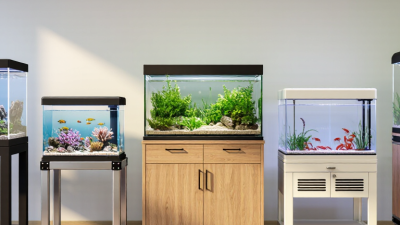
An aquarium may look calm while its temperature shifts by several degrees overnight. Tropical fish, shrimp, and other aquatic animals can respond poorly to sudden changes, so choosing an Aquarium Heater is more than matching a wattage to a tank. Tank volume matters, but so do the room’s coldest temperatures, the aquarium’s shape, and the needs of its inhabitants. A heater that works in a warm living room may struggle beside a drafty window. Small details matter. Check the species’ recommended temperature range using reliable care references before buying, and compare the heater’s capacity with the manufacturer’s guidance.
This guide explains how to assess heater types, capacity, safety features, and placement. Adjustable models offer control, while preset heaters may suit some stable setups; neither choice is automatically best. Look for durable construction, a clear temperature setting, and protective features suited to your tank and animals. A separate thermometer helps you check the actual water temperature instead of trusting the heater’s dial alone. Place the unit where water circulates well, follow its installation instructions, and never operate it outside the conditions specified by its manufacturer. That can change. Room temperature, water flow, and equipment placement all affect performance. There is no perfect formula for every aquarium, and a heater can still drift or fail. Check readings regularly, especially after setup or maintenance. The right choice is the one that meets your animals’ needs and can be monitored consistently.
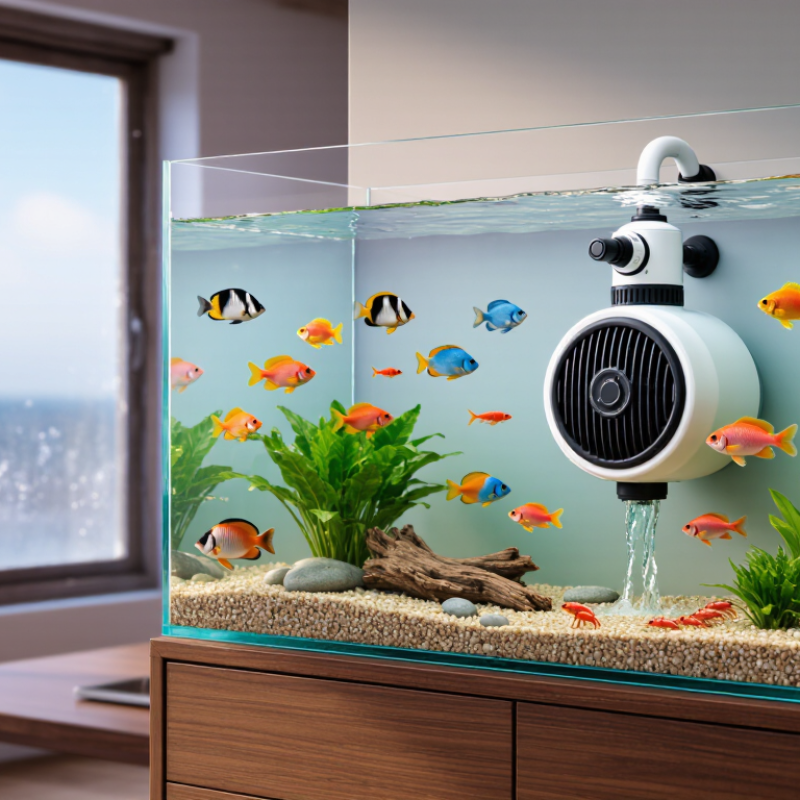
An aquarium’s heating needs depend on its inhabitants, water volume, and room temperature. Tropical fish often need warmer, steadier water than temperate species, but exact needs vary. Check reliable care guidance for every species in the tank, including plants and invertebrates. The coldest part of the day matters. A room that feels comfortable at noon may cool sharply overnight.
Tank size helps determine heater capacity, but it is not the whole story. Consider the gap between your room’s lowest temperature and the target water temperature. A small tank in a chilly room may need more capacity than its volume alone suggests. Follow the heater’s sizing guidance, and avoid choosing a powerful unit without checking whether it suits your setup. Placement matters, too. Keep the heater submerged as instructed, with water circulating around it.
Measure, don’t guess. Use a separate thermometer, ideally away from the heater, and check it at different times of day. A second thermometer can reveal uneven temperatures. Adjust the thermostat in small steps, then allow the water time to stabilize before changing it again. Slow changes are safer. If readings keep drifting, inspect the heater and room conditions rather than repeatedly turning the dial. Even careful setups can fluctuate a little; that’s a reason to monitor, not panic.
Aquarium heater wattage depends on both water volume and the temperature gap between the tank and the room. A common starting point is 3–5 watts per US gallon when the heater needs to raise water temperature by about 10°F. For a 20-gallon tank, that suggests roughly 60–100 watts. It is a guideline, not a guarantee.
Room conditions can shift the choice. A tank in a warm living room may need less power than the same tank beside a drafty window or in a chilly basement. Check the room’s overnight temperature, not just its daytime warmth. Small tanks change quickly. A lid can also reduce heat loss, while an open top may let more warmth escape.
Choose a heater rated for your tank’s actual water volume, then verify the temperature with a separate thermometer after it has run for a day. Place the thermometer away from the heater to check whether warmth reaches the rest of the tank. That detail is easy to overlook. If the room is much colder than the target water temperature, consult the heater’s sizing chart rather than simply choosing the largest unit; excess power can make temperature control less forgiving. That rule is useful, but a little blunt. Room drafts and tank shape matter too.
Submersible heaters sit inside the tank and suit many small or medium aquariums. They are easy to position, but must stay properly submerged as directed. Hang-on heaters keep much of the unit outside the water, which can free up tank space. In-line heaters warm water in the filter return, keeping equipment out of sight. They require compatible plumbing and steady water flow. Each type has trade-offs.
Temperature control matters as much as heater style. Built-in thermostats are simple: set a target, then check the water with a separate thermometer near the tank’s middle. Some dials are not perfectly calibrated. External controllers add an independent temperature check and can cut power if readings rise too high, but they add cost and setup. Choose a heater sized for the tank and the difference between room temperature and the needs of its inhabitants. A cold room or drafty window can change the calculation. Check temperature morning and evening after installation; I would not trust a dial alone.
Tips: Place the heater near water movement, away from gravel and decorations. Use a guard if fish may bump it. Unplug it before water changes, and let it cool before handling. Small checks help. Room temperature can shift overnight.
A heater should match the aquarium’s volume, shape, and room temperature—not just a number on its label. A tall tank may warm unevenly, while a drafty room can make a heater work harder. Check the manufacturer’s guidance for your tank size and whether the unit suits freshwater or saltwater use. Small details matter.
Look for a thermostat, clear temperature markings, and an automatic shutoff or overheat protection. A protective guard can reduce contact with the heating element, especially around active fish. Confirm that the heater is rated for its intended placement; not every model is fully submersible. Follow its minimum-water-level instructions carefully.
Test it twice. Use a separate aquarium thermometer to compare the displayed setting with the water temperature, since built-in controls can drift. During water changes, unplug the heater and let it cool before exposing it to air. I used to think wattage was the whole decision; it is easy to overlook placement and safety checks.
Keep the power connection dry, with a drip loop in the cord, and inspect the cable and casing for cracks. If the temperature swings or the heater cycles constantly, reassess the setup instead of simply raising the setting.
Place the heater where water circulates steadily, such as near a filter outlet, so warmth can spread through the aquarium. Follow the heater’s instructions for orientation and minimum water level. Keep it clear of gravel, decorations, and the glass to reduce uneven heating or accidental contact. In a long tank, one heater at an end may leave the opposite side cooler. Small temperature differences can matter.
Tips: Put a reliable thermometer at the other end of the tank, away from the heater’s direct warmth. Check the reading after several hours, then compare it again the next day. A quick glance can miss a slow temperature swing.
Set the heater gradually, and let the water settle before making another adjustment. Check temperature at roughly the same time each day, noting changes after room-temperature shifts or water changes. It is easy to trust the heater’s dial; it is only a setting, not proof of the actual water temperature. Before draining water, unplug the heater and follow its cooling instructions. Recheck the thermometer after maintenance, too. Aquarium readings can vary slightly, and that is worth noticing rather than dismissing.
Copyright © 2021 Payless Pet Products - All Rights Reserved.