How to Choose the Right Filter Basket for Your Needs?
Choosing the right Filter Basket can improve performance, consistency, and daily maintenance. However, the best option depends on your equipment, material, capacity, and intended use.
A basket used for coffee brewing requires different decisions than one used for food processing or industrial filtration. Check the diameter, depth, hole pattern, and connection type before purchasing. A small measurement error can prevent proper fitting. It can also cause leaks, uneven flow, or wasted materials.
Experienced users often begin with compatibility. Confirm the manufacturer’s specifications and inspect the basket’s construction. Stainless steel may offer durability and easier cleaning, while other materials may suit lighter applications. Mesh size also matters. Finer openings can capture smaller particles, but they may clog faster. Larger openings allow quicker flow, although some residue may pass through.
Think about real working conditions. Will the basket handle heat, pressure, repeated washing, or daily handling? Look for smooth edges, stable seams, and surfaces that do not trap residue. Certification and traceable product information can provide stronger confidence, especially when the basket contacts food or beverages.
There is no universal choice.
Even experienced buyers sometimes focus too heavily on price. That can be a mistake. A cheaper basket may require frequent replacement or create inconsistent results. Still, premium construction does not guarantee perfect performance. Your equipment, habits, and cleaning routine remain important.
This guide explains how to compare these factors carefully. It also recognizes that practical testing may reveal issues specifications cannot show. A sensible choice should fit your equipment, workflow, and long-term expectations.
What a Filter Basket Is and How It Supports Filtration
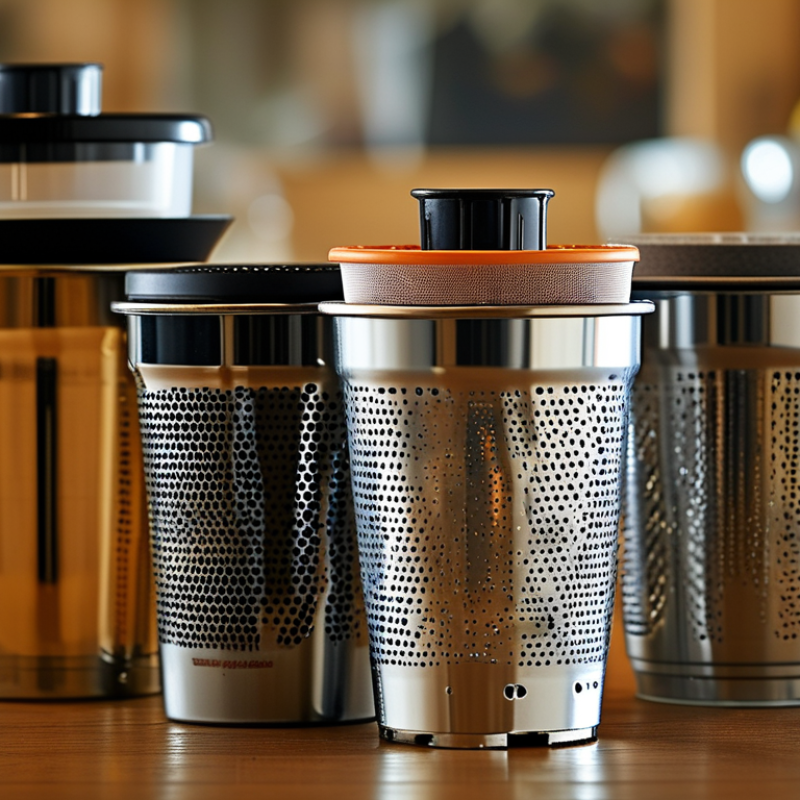
A filter basket is a removable container that holds filter media while liquid or air passes through it. It supports filtration by controlling flow, retaining particles, and protecting downstream equipment. Common designs use perforated metal, woven mesh, or layered materials. Each option handles pressure and particle sizes differently. A basket with large openings allows faster flow but captures fewer fine particles. A tighter mesh improves particle retention but may clog sooner. Small details matter.
Choosing the right basket starts with the operating conditions. Check the fluid type, temperature, pressure, flow rate, and expected debris. Confirm the basket’s dimensions and connection style before ordering. Stainless steel often suits demanding environments, while other materials may work better with mild fluids. A reusable basket can reduce waste, but cleaning must be practical. I have seen systems fail because operators selected mesh size alone. That shortcut seems reasonable, yet it ignores pressure loss and maintenance time.
Tips: Measure the existing basket carefully. Inspect its seal, handle, and support frame. Ask for tested filtration data when available. Record pressure before and after the basket during normal operation. This simple comparison can reveal clogging early. Do not rely only on appearance. A clean-looking basket may still have damaged mesh or weakened joints. Reconsider the choice after real operating data appears.
How to Choose the Right Filter Basket for Your Needs?
A filter basket is a removable straining element that captures solid particles while allowing liquid or gas to pass through. The opening size is one of the most important selection factors: a smaller opening provides finer filtration but may increase pressure drop and require more frequent cleaning.
The chart uses representative standard sieve openings commonly used to describe filtration grades: 4,750 µm, 2,000 µm, 850 µm, 425 µm, and 150 µm. Actual basket performance depends on the basket design, material, operating pressure, fluid viscosity, and the shape of the particles.
Which Filter Basket Features Match Your Application
Choosing the right filter basket starts with the application, not the catalog photograph. Consider the fluid’s viscosity, temperature, particle size, and expected flow rate. A fine mesh captures smaller particles, but it may create rapid pressure loss. A coarser mesh supports faster flow and easier cleaning. Flow matters.
Material compatibility also deserves close attention. Stainless steel can suit many industrial fluids, while aggressive chemicals may require a more carefully selected alloy or protective finish. Check the basket’s operating temperature, pressure rating, and connection design. A reinforced basket is valuable when pressure changes are frequent. Without adequate support, even a strong mesh can deform.
Cleaning features influence daily performance. A removable basket saves maintenance time, especially when solids collect quickly. Smooth internal surfaces reduce residue and make inspection easier. I once selected a basket by micron rating alone. It clogged sooner than expected because the fluid contained sticky particles. That mistake taught me to examine particle shape, not just size. Ask for test data, dimensional drawings, and material information before approval. If possible, test a sample under realistic flow conditions. Laboratory results can look convincing, yet field conditions are rarely so polite.
How to Choose the Right Size, Shape, and Capacity
Choosing the right filter basket starts with accurate measurements, not attractive descriptions. Check the portafilter’s inner diameter, locking points, and available depth. A basket that looks compatible may sit too high or fail to seal properly. Measure twice. Manufacturer specifications can help, but your equipment’s actual dimensions matter more.
Capacity should match your normal dose. A smaller basket suits a lighter serving, while a deeper basket holds more coffee without excessive compression. Avoid filling by appearance alone. Leave enough headspace for the brewing screen and water expansion. If the puck touches the screen, extraction may become uneven. I once chose a deeper basket for convenience, but my grinder settings became harder to control. That mistake was useful.
Shape also affects preparation. Straight-sided baskets usually distribute coffee more evenly and make tamping predictable. Tapered designs may work well with certain portafilters, but they can demand more careful distribution. Examine the hole pattern closely. Consistent openings support even flow, while blocked or poorly finished holes can create weak spots. Capacity labels are not always perfectly comparable, so test with your usual coffee dose and grind. Record the results, including brew time, flavor balance, and puck condition. A slightly smaller basket may perform better than a larger one if it matches your routine. Choose the basket that fits your hands, equipment, and daily habits—not just the one with the biggest capacity.
How to Compare Cleaning, Maintenance, and Replacement Needs
Choosing the Right Filter Basket for Your Needs
Cleaning and replacement demands often matter more than the basket’s initial price. A basket should match your equipment, material, and expected workload. Stainless steel usually tolerates repeated washing, while delicate mesh may trap particles more effectively but require gentler handling. Small mismatch, large mess. Check the basket after each use. Look for blocked holes, bent edges, or residue around the rim. These details can reduce flow and create uneven results. In my experience, rinsing immediately prevents most buildup. However, I sometimes delayed cleaning, and dried residue became surprisingly difficult to remove.
Tips: Rinse the basket soon after use. Use a soft brush, not a sharp tool. Inspect the seal and frame weekly. If residue remains after washing, soak the basket according to its care instructions. Avoid aggressive chemicals unless the manufacturer specifically allows them. Record how often you clean it. A simple note can reveal whether the basket suits your routine.
Replacement timing depends on condition, not just age. Replace the basket when holes widen, the frame loses its shape, or cleaning no longer restores normal flow. A damaged edge may also scratch nearby surfaces or prevent a secure fit. Frequent users may need replacements sooner, especially when baskets face heat, pressure, or abrasive cleaning. Still, replacing too early wastes money. I have kept a basket longer than planned, then realized its performance had slowly declined. Compare the current results with a clean, correctly fitted basket before deciding. That small test can expose problems that appearance hides.