Payless Pet Products

Payless Pet ProductsPayless Pet ProductsPayless Pet ProductsPayless Pet Products
  • Home
  • New Website
  • Fish Amoxi Forte 500mg
  • Fish Aug 625mg
  • Fish Cipro Forte
  • Fish Clinda Forte
  • Fish Doxy
  • Fish Fluco Forte
  • Fish Itra
  • Fish Keto
  • Fish Levo 500mg
  • Fish Zithro 250mg
  • Fish Zithro 500mg
  • Fish Zithro 1000mg

Payless Pet Products

Payless Pet ProductsPayless Pet ProductsPayless Pet Products
  • Home
  • New Website
  • Fish Amoxi Forte 500mg
  • Fish Aug 625mg
  • Fish Cipro Forte
  • Fish Clinda Forte
  • Fish Doxy
  • Fish Fluco Forte
  • Fish Itra
  • Fish Keto
  • Fish Levo 500mg
  • Fish Zithro 250mg
  • Fish Zithro 500mg
  • Fish Zithro 1000mg
7 Tips for Choosing the Best TV Enclosure Cabinet?

7 Tips for Choosing the Best TV Enclosure Cabinet?

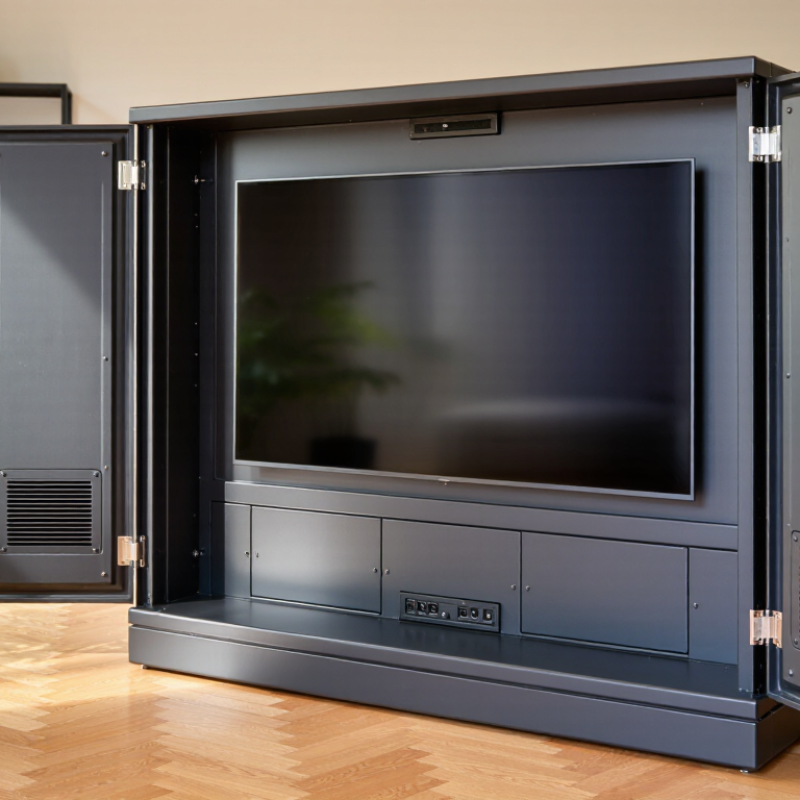
A Tv Enclosure Cabinet can help protect a television from dust, bumps, and everyday wear, but not every model suits every room. The right choice depends on where the screen will sit, who uses the space, and how much protection it needs. A cabinet for a covered patio may require different materials and ventilation than one placed in a quiet office. Small details matter.

This guide explores seven practical tips for choosing a cabinet that fits your screen and setting. It covers measurements, material quality, weather exposure, ventilation, mounting, cable access, and maintenance. Before comparing finishes or prices, measure the television, including its depth and stand, and check the available space. Leave room for cables and airflow. A snug fit can look tidy, but it may make setup and servicing harder.

Look closely at how doors, seals, hinges, and mounting hardware are designed. Ask the supplier about cleaning instructions and replacement parts, rather than relying on a product photo alone. For outdoor placements, confirm the cabinet’s stated protection and installation requirements; conditions vary, and no enclosure is invulnerable. Measure twice. Even careful planning can miss a cable bend or a nearby obstacle, so reviewing the installation area in person is worthwhile. The tips ahead can help you compare options with clearer expectations and choose a cabinet that is practical, durable, and suitable for its actual location.
7 Tips for Choosing the Best TV Enclosure Cabinet?
Table of Contents [Hide]
1 Assess Your TV’s Size, Weight, and Installation Location
2 Choose Materials Suited to Indoor or Outdoor Conditions
3 Check Ventilation, Cable Access, and Power Requirements
4 Compare Mounting, Security, and Ease-of-Use Features
5 Balance Protection, Appearance, and Long-Term Cost

Assess Your TV’s Size, Weight, and Installation Location

Before comparing TV enclosure cabinets, measure the television itself, not just its advertised screen size. Screen measurements run diagonally, while cabinet openings depend on width, height, and depth. Include the stand if the TV will sit on a shelf. For wall-mounted screens, allow room for the mount, plugs, and cables to bend without pressure. Leave practical clearance around the edges. A fit that looks exact on paper can be awkward during installation.

Check the combined weight of the TV, mount, and any equipment resting inside the cabinet. Compare it with the cabinet’s stated load capacity, and confirm that shelves and mounting points are suitable. Small details matter. A receiver or streaming device may need extra space and airflow, especially when used for long periods. Then assess the installation location: measure doorways and available wall space, and consider nearby heat, moisture, direct sunlight, and cable access. A shaded patio and a damp, exposed corner are not the same environment. It is easy to focus on the screen and overlook ventilation; that mistake can be costly in comfort and equipment life. Recheck your measurements at the actual installation site, since walls and floors are not always perfectly square.

7 Tips for Choosing the Best TV Enclosure Cabinet: Assess Your TV’s Size, Weight, and Installation Location
Tip What to Check Practical Guidance Why It Matters
1. Measure the TV itself Record the television’s actual width, height, and depth, including any fixed protrusions. Use the manufacturer’s product dimensions rather than the diagonal screen size alone. Compare them with the enclosure’s usable internal dimensions. TVs with the same diagonal measurement can have different overall dimensions, especially when bezels or rear housings differ.
2. Allow for operating clearance Check the space around the TV, its vents, connectors, and any internal mounting hardware. Follow the TV and enclosure manufacturers’ clearance requirements. Do not block ventilation openings; leave enough room to connect cables and remove the TV for service. Restricted airflow can contribute to overheating, while tight access makes installation and maintenance harder.
3. Confirm the total supported weight Include the TV, mounting bracket, shelves, and any accessories carried by the cabinet or support structure. Check the enclosure, mount, and supporting surface ratings. As a planning measure, consider capacity above the combined load, and follow any stated manufacturer limits. The weakest component in the mounting system determines the safe supported load.
4. Match the mount and mounting pattern Verify the TV’s mounting-hole pattern, screw requirements, and the enclosure’s compatible mounting range. Check the TV manual and enclosure specifications before purchase. Confirm that the chosen mount allows the intended tilt or swivel without contacting the cabinet. A compatible mount helps keep the screen secure and correctly positioned.
5. Assess the installation location Identify whether the cabinet will be installed indoors, outdoors, or in a damp, dusty, or high-traffic area. Choose an enclosure designed for the actual exposure. For outdoor use, review its stated protection against rain, dust, sunlight, and temperature changes; do not assume every cabinet is weatherproof. Environmental conditions can affect the TV, enclosure materials, seals, and electrical connections.
6. Plan power, cables, and ventilation Map the power outlet, cable entry points, signal connections, and airflow path. Make sure cables can reach without being pinched or sharply bent. Use ventilation provisions specified for the enclosure and keep required openings unobstructed. Good cable access and airflow support reliable operation and simplify servicing.
7. Check the mounting surface and viewing position Assess the wall, stand, or other support, along with screen height, viewing distance, and glare. Confirm that the structure can carry the complete installed load and use suitable fixings for its material. Position the screen for comfortable viewing and avoid direct reflections where possible. A secure installation improves safety, stability, and day-to-day viewing comfort.

Choose Materials Suited to Indoor or Outdoor Conditions

For an indoor TV enclosure, match the material to the room’s humidity and everyday wear. Painted MDF or plywood can work well in a dry living room, especially when edges are sealed against spills. Veneered wood offers a warmer look, but direct sunlight may fade its finish over time. Keep the cabinet away from radiators and damp walls. Small details matter.

Outdoor conditions call for tougher choices. Consider corrosion-resistant metal, exterior-grade plywood with a durable coating, or UV-resistant panels. Check seams, hinges, and fasteners: water often enters at joints before it damages a broad surface. A sloped top and clear drainage paths help prevent standing water. Shade also reduces heat and sun exposure, though it cannot replace weather protection.

The material alone is not the whole answer. A tightly sealed cabinet may keep rain out but trap heat from the television. Include suitable ventilation, and follow the TV maker’s clearance guidance. Inspect coatings and seals after seasonal weather changes; even sturdy finishes can wear. There is no perfect material for every patio, and choosing a heavier cabinet can create its own installation challenges. Test-fit access to cables and controls before fixing the enclosure in place.

Choosing TV Enclosure Materials for Indoor or Outdoor Conditions

Typical thermal conductivity of common enclosure materials (W/m·K). Lower values mean less heat transfer through the material.

These are approximate reference values and vary by material grade. Thermal conductivity is only one selection factor: for outdoor use, also check UV resistance, corrosion protection, weather seals, and the enclosure’s temperature rating.

Check Ventilation, Cable Access, and Power Requirements

A TV enclosure cabinet should protect the screen without trapping its heat. Check for ventilation openings near the top and lower sides, where warm air can escape and cooler air can enter. A few small holes may not provide enough airflow, especially in a cabinet with a solid back. Check the television’s recommended clearance, then compare it with the cabinet’s usable space. Measure twice. Dust can also gather around vents, so make sure they remain reachable for cleaning.

Cable access matters just as much. Look for openings behind the screen and near the cabinet’s lower section, with enough room for plugs to pass through without sharp bends. If you use a streaming device, game console, or sound system, allow space for their cables too. A tight opening can pinch a cable or make routine changes frustrating. It is tempting to focus on a tidy front view, but the hidden connections deserve attention.

Confirm the cabinet can accommodate the required power setup. Check that outlets are accessible and that cables do not need to be stretched across moving doors or sharp edges. Avoid packing power strips and adapters into a cramped, unventilated space; follow their safety instructions and keep them easy to inspect. Before buying, sketch the cable route or test it with measurements. It feels fussy, perhaps, but guessing here can lead to an awkward installation.

Compare Mounting, Security, and Ease-of-Use Features

Choosing a TV enclosure cabinet starts with the mounting system. Check the screen’s size, weight, and mounting pattern against the cabinet’s specifications. Fit comes first. A wall-mounted cabinet can save floor space, while a freestanding unit may suit rooms where drilling is impractical. Either way, measure the full viewing area, not just the screen. Leave room for ventilation, plugs, and cables; a tight fit can trap heat or make routine adjustments awkward. If the cabinet will be installed outdoors, ask how its materials handle moisture and temperature changes rather than assuming every enclosure offers the same protection.

Security features deserve a practical comparison. A key lock may deter casual access, while reinforced hinges and concealed fasteners can make forced entry harder.

Locks help, not magic.

Consider who needs access and how often: a cabinet that is difficult to unlock may protect equipment but frustrate staff during daily use. Ease of use matters just as much. Look for doors that open wide, reachable controls, clear remote signals, and cable openings that do not pinch wires. Try picturing a real task, like changing an input while the screen is on. That detail is easy to overlook. I would also check whether filters or panels can be cleaned without removing the television. Some convenience claims sound convincing, but the actual opening mechanism may still feel clumsy. A hands-on inspection, when possible, can reveal that.

Balance Protection, Appearance, and Long-Term Cost

Choosing the best TV enclosure cabinet means balancing protection, appearance, and the cost of ownership. Start by checking what the cabinet must protect against: dust, accidental knocks, or moisture near a patio or kitchen. A snug door can reduce dust, but it should not trap heat around the screen. Check ventilation openings and leave enough clearance for cables and airflow. Small gaps matter.

Appearance should suit the room without making access difficult. Match the cabinet’s size to the TV and the wall, then consider how doors open and where remote signals pass through. A dark, glossy surface may look polished in a showroom but reveal fingerprints at home. That trade-off is easy to miss.

Tips: Measure the TV, mounting space, cable route, and door swing before buying. Compare materials by cleaning needs and resistance to everyday bumps, not just by finish. Ask whether shelves or hinges can be replaced; a repairable cabinet may cost less over time than a cheaper model that must be discarded. Check the warranty terms and care instructions, too. I would not assume the most expensive option lasts longest. The right choice depends on the room, exposure, and how often you use the screen.

Article Source:

  • Tv Cabinet Wall Unit
  • Tv Unit Cabinet

Copyright © 2021 Payless Pet Products - All Rights Reserved.