Top Types of Mens Fashion Belts for Global Buyers
Choosing the right Mens Fashion Belts requires more than comparing colors, prices, and buckle shapes. Global buyers must assess materials, construction, sizing, packaging, and supplier reliability. A belt may look attractive in product photography, yet its stitching can loosen after repeated use. Small details matter.
This guide introduces popular belt types for international fashion buyers, including genuine leather belts, reversible belts, braided styles, canvas belts, and minimalist dress designs. Each option serves a different customer and retail position. Full-grain leather can offer a rich texture and longer service life, while coated leather may provide a lower entry price. Fabric belts often suit casual collections and warmer climates. Reversible designs can reduce inventory pressure, but their rotating buckles need careful testing.
Fit remains essential. Buyers should confirm belt length, width, hole spacing, buckle finish, and regional size charts before placing orders. A 35-millimeter width may suit business trousers, while wider styles can complement denim. Reliable suppliers should provide material descriptions, product samples, inspection records, and consistent production details. Certifications and labeling should also match the destination market’s requirements.
Quality is not always visible at first glance. Ask for close-up photographs, edge-finishing details, and hardware testing information. Samples help, but one sample cannot represent every production batch. That limitation deserves attention. Supplier communication, lead time, defect handling, and packaging protection can influence total purchasing cost. A practical buying decision balances appearance, performance, price, and customer expectations across different markets. No belt suits every buyer.
What Defines a Men’s Fashion Belt and Its Main Functions
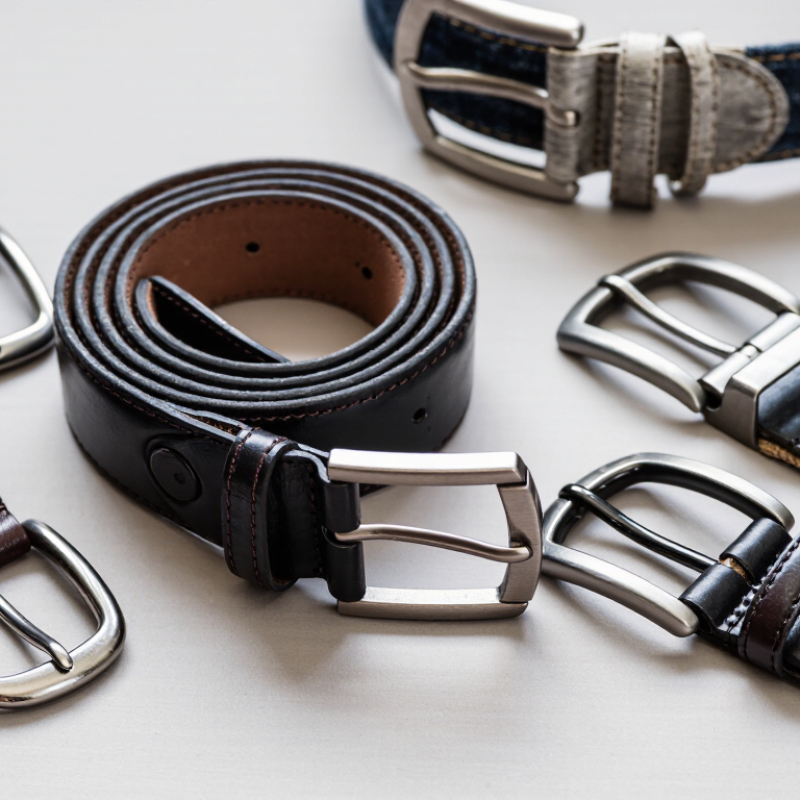
A men’s fashion belt is more than a strip of leather or woven fabric. It is a practical accessory designed to secure trousers and refine an outfit’s proportions. In my experience, the best belts balance flexibility, strength, buckle quality, and visual appeal. A smooth leather belt may suit office trousers, while a textured fabric belt works better with denim or relaxed cotton. The belt should match the outfit’s formality, not compete with it.
Tips: Check the belt’s usable length, not only its total length. Measure from the buckle pin to the middle hole. Inspect stitching around the buckle and edges. Small details often reveal production quality. Buyers should also request material specifications, color samples, and hardware testing before placing larger orders. I have seen attractive samples fail because the finish scratched after repeated use.
A fashion belt also helps create a clean waistline and connects shoes, trousers, and other accessories. Common designs include pin-buckle, automatic, braided, reversible, and casual canvas styles. Each type serves a different wearing situation. For global buyers, consistent sizing is essential because regional measurement habits vary. A clear size chart can prevent avoidable returns. Some belts look impressive in photographs but feel stiff, heavy, or poorly balanced in daily wear. That gap deserves attention. Practical comfort may be less dramatic, yet it often determines whether customers wear the belt repeatedly.
Classic Leather Belts for Formal and Everyday Wear
Classic leather belts remain practical anchors for formal and everyday wardrobes. A dark brown or black belt can frame tailored trousers without competing with them. For office wear, choose full-grain or top-grain leather with a restrained metal buckle. The surface should feel firm, not plastic-smooth. Edges should be painted evenly and stitched with consistent tension.
According to Grand View Research, the global leather goods market was valued at about US$407.5 billion in 2022. Its report forecasts a 6.9% compound annual growth rate through 2030. Future Market Insights also projects the men’s belts market to grow at more than 5% annually during the next decade. These figures suggest sustained demand, but buyers should inspect quality beyond market optimism. A useful formal width is 30 to 35 millimetres. Casual styles can reach 38 millimetres, depending on the trouser loops. Measure the middle hole, not the total strap length. It gives a more reliable fit.
A good belt should age visibly. That is part of its value. However, heavy cracking near the buckle signals weak finishing or poor storage. Keep leather away from prolonged moisture, and condition it sparingly. My own buying rule is imperfect: I sometimes prefer a small natural mark over an overly polished surface. That judgment can fail with inconsistent suppliers. Buyers should request material specifications, thickness, buckle composition, stitching details, and product photographs before ordering. A simple inspection reduces costly returns.
Casual Canvas, Fabric, and Braided Belt Styles
For global buyers, casual belts are moving beyond plain leather. Canvas, woven fabric, and braided styles offer lighter wear, flexible sizing, and strong visual texture. Textile Exchange’s 2024 Materials Market Report recorded global fiber production at about 124 million tonnes in 2023. This scale explains why material traceability matters during sourcing.
Canvas belts suit workwear, travel, and relaxed uniforms. Dense cotton canvas feels firm against the waist, while recycled polyester can improve drying speed and color retention. Fabric belts often use a sliding buckle, helping accommodate small size changes. Braided belts create a softer, more adjustable fit. They also add texture without heavy decoration. However, loose braiding may stretch near the buckle. That detail is easy to miss.
Experienced buyers should request abrasion, tensile, colorfastness, and buckle-pull testing. ISO 12947 methods can help assess textile abrasion, while ISO 105 testing supports colorfastness evaluation. Specifications should include belt width, weave density, edge finishing, and shrinkage after washing. Textile Exchange also reported that polyester remained the dominant global fiber in 2023, which supports broad fabric availability but raises recycled-content questions. A recycled claim needs supplier documents, not attractive wording. I would also inspect sample ends by hand. Fraying often appears there first. No material wins every use case. Product teams should review comfort after repeated wear, not only appearance during sampling.
Statement, Designer, and Specialty Men’s Belts
Top Types of Mens Fashion Belts for Global Buyers
Statement, Designer, and Specialty Men’s Belts
Statement belts are becoming practical style tools, not simple waist accessories. They use wider straps, textured surfaces, bold buckles, or contrasting stitching. These details can transform plain denim, tailoring, or relaxed travel clothing. Grand View Research estimates the global men’s wear market reached US$573.1 billion in 2023. Its forecast suggests steady growth through 2030, supporting demand for expressive accessories.
Designer men’s belts focus on refined materials, controlled proportions, and recognizable construction details. Buyers should inspect leather grain, edge finishing, buckle weight, and adjustment quality. A polished appearance alone proves little. The 2025 Resale Report from ThredUp and GlobalData projects the global secondhand apparel market could reach US$367 billion by 2029. Durable designer-style belts may benefit from this resale culture, although belt-specific resale data remains limited. That gap deserves attention.
Specialty belts serve clear functions. Stretch belts suit commuting and long flights, while reversible designs reduce luggage volume. Braided, formal, workwear, and performance belts meet different clothing needs. Check sizing systems carefully because regional measurements can vary. I have seen attractive belts fail at the buckle after limited use. Buyers should request material specifications, load testing details, packaging dimensions, and care instructions. The perfect belt does not exist. Fit, durability, and visual impact must be balanced.
How Global Buyers Can Select the Right Belt Types
Global buyers should select men’s fashion belts by use, climate, and market position. Leather suits formal channels and develops a richer surface over time. However, it needs careful moisture control in humid regions. Recycled polyester webbing is lighter and easier to maintain. It fits travel, outdoor, and casual collections. PU can reduce initial cost, but buyers should test cracking after repeated bending. Grand View Research valued the global leather goods market at about USD 123.5 billion in 2023. This signals strong demand, but it does not make every leather belt a safe choice.
Buckle design also affects returns and customer satisfaction. Zinc alloy offers a solid feel, while coated hardware can support lighter pricing. Test plating against sweat, salt air, and frequent rubbing. Belt length must match local sizing habits. A simple size chart with waist measurements prevents avoidable exchanges. The European Environment Agency reports that textiles create major resource and waste pressures across their life cycle. Buyers should therefore request material details, durability results, and packaging information. Documentation matters more than attractive samples.
Tips: Order samples in several materials. Bend each belt repeatedly. Check edge paint, stitching, buckle movement, and odor. Ask suppliers for fiber content and testing records. Do not rely only on photographs. They hide weak edges. A reversible belt may improve shelf efficiency, but its stitching can fail sooner. This is where many purchasing plans need a second review. Sources: Grand View Research, Leather Goods Market Size Report; European Environment Agency, Textiles and the Environment.
Top Types of Men's Fashion Belts for Global Buyers
Typical belt widths help global buyers match belt construction with the intended use. Dress belts are generally narrower, while casual, western, and webbing belts are usually wider for everyday styling and durability.
Selection guide: choose approximately 30–35 mm for formal trousers, 35–40 mm for versatile casual outfits, and 40–45 mm for rugged, western, or utility-focused applications.