Payless Pet Products

Payless Pet ProductsPayless Pet ProductsPayless Pet ProductsPayless Pet Products
  • Home
  • New Website
  • Fish Amoxi Forte 500mg
  • Fish Aug 625mg
  • Fish Cipro Forte
  • Fish Clinda Forte
  • Fish Doxy
  • Fish Fluco Forte
  • Fish Itra
  • Fish Keto
  • Fish Levo 500mg
  • Fish Zithro 250mg
  • Fish Zithro 500mg
  • Fish Zithro 1000mg

Payless Pet Products

Payless Pet ProductsPayless Pet ProductsPayless Pet Products
  • Home
  • New Website
  • Fish Amoxi Forte 500mg
  • Fish Aug 625mg
  • Fish Cipro Forte
  • Fish Clinda Forte
  • Fish Doxy
  • Fish Fluco Forte
  • Fish Itra
  • Fish Keto
  • Fish Levo 500mg
  • Fish Zithro 250mg
  • Fish Zithro 500mg
  • Fish Zithro 1000mg
Why Is a Cold Plunge Tub Worth Buying?

Why Is a Cold Plunge Tub Worth Buying?

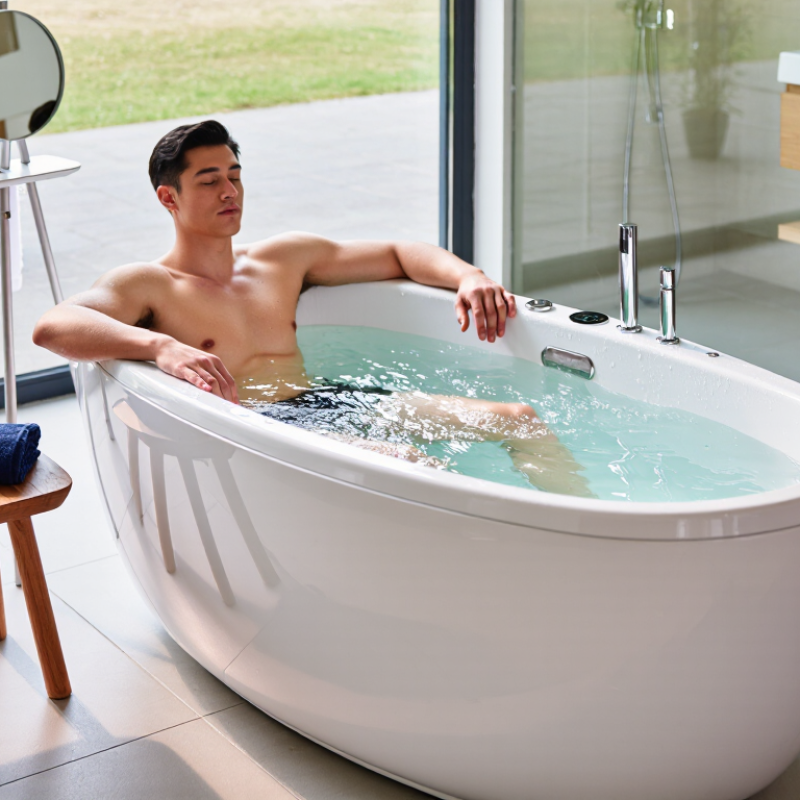
Why Is a Cold Plunge Tub Worth Buying? The answer begins with consistency, not hype. A home Cold Plunge Tub can turn an occasional spa visit into a controlled recovery routine. Picture stepping into chilled water beside your bathroom, setting a timer, and recording your response afterward. That convenience matters when travel, gym schedules, or winter weather interrupt good habits.

The wellness market supports this growing interest. The Global Wellness Institute reported that the global wellness economy reached $6.3 trillion in 2023, showing strong demand for practical self-care products. However, cold immersion remains a developing category. A 2016 PLOS ONE study involving 3,018 adults found fewer sickness-absence days among people taking regular cold showers, but it did not prove stronger immunity. That distinction matters. Evidence is promising, not final.

Sports recovery research offers a similarly careful view. Reviews in Sports Medicine suggest that cold-water immersion may reduce perceived soreness after demanding exercise, especially when used soon afterward. Yet results vary with temperature, duration, training status, and personal tolerance. More is not better. A reliable tub can provide stable water temperature, filtration, insulation, and safer timing than an improvised ice bath. Those features reduce guesswork, although they do not remove risk. People with cardiovascular conditions, circulation problems, or pregnancy-related concerns should seek medical advice before use. Even healthy users can feel dizzy or numb. Start conservatively. A Cold Plunge Tub is worth considering when it supports a realistic routine, measurable comfort, and informed decision-making. It is not a miracle device. That is the honest part.
Why Is a Cold Plunge Tub Worth Buying?
Table of Contents [Hide]
1 What Is a Cold Plunge Tub and How Does It Work?
2 What Potential Benefits Can Cold Water Immersion Provide?
3 Which Features Matter When Choosing a Cold Plunge Tub?
4 How Much Do Cold Plunge Tubs Cost to Buy and Maintain?
5 What Safety and Maintenance Practices Should Users Follow?

What Is a Cold Plunge Tub and How Does It Work?

Why Is a Cold Plunge Tub Worth Buying?

A cold plunge tub is an insulated container designed for short cold-water immersion. Many models use a chiller, pump, filter, and thermostat. The chiller removes heat, while the pump circulates cleaner water around your body. Some systems maintain temperatures near 10–15°C, but colder is not automatically better.

When your skin meets cold water, blood vessels narrow quickly. Your breathing may become faster, and your heart works harder during the initial cold-shock response. After exercise, this exposure may reduce perceived muscle soreness. A Cochrane review examined 17 trials involving 366 participants and found some short-term relief, although the evidence quality remained limited. That matters. A cold plunge is a recovery tool, not a guaranteed treatment.

The Global Wellness Institute reported that the wellness economy reached $5.6 trillion in 2022. That growth partly explains the interest in home recovery equipment, but market size does not prove medical value. In real use, the routine requires water testing, filter cleaning, safe entry, and steady breathing. It is easy to underestimate the last item. People with cardiovascular conditions, circulation problems, or uncontrolled blood pressure should seek medical guidance first. Never plunge alone. The first minute can feel surprisingly intense, and stopping early is sometimes the wiser choice.

What Potential Benefits Can Cold Water Immersion Provide?

Cold water immersion may offer more than a dramatic morning ritual. A 2022 systematic review in Sports Medicine examined 104 studies involving health and wellbeing outcomes. It reported possible short-term improvements in stress, sleep quality, and perceived recovery. However, results varied widely. The water temperature, immersion time, and participant fitness differed between studies. Strong claims remain premature.

Exercise recovery has better support, but the effect is modest. Research published in the Cochrane Database of Systematic Reviews found that cold immersion may reduce delayed muscle soreness after demanding exercise. It did not prove superior for every athlete. Frequent use immediately after resistance training may also blunt some long-term strength adaptations. That detail deserves more attention.

Tips: Start with cool water, not extreme temperatures. Keep the first session brief, perhaps one to three minutes. Enter slowly, control your breathing, and stop if dizziness, chest discomfort, numbness, or confusion appears. Never use cold immersion alone. People with heart disease, circulation problems, uncontrolled blood pressure, or pregnancy should seek medical advice first. A tub can support a routine, but it cannot replace sleep, hydration, or sound training. I would treat it as a useful experiment, not a guaranteed health upgrade.

Which Features Matter When Choosing a Cold Plunge Tub?

Why Is a Cold Plunge Tub Worth Buying?

A cold plunge tub can make recovery more convenient, but its value depends on practical features. I once underestimated insulation and focused too much on the lowest temperature. The water warmed quickly, and the setup became frustrating. Strong insulation helps maintain stable temperatures while reducing energy use. A reliable temperature controller also matters, especially when outdoor temperatures change. Look for clear controls, accurate readings, and a cooling system designed for regular use.

Clean water is equally important. Choose a tub with accessible filtration, drainage, and sanitation support. A smooth interior is easier to wipe clean. Check the tub’s internal length and depth before buying. Your shoulders should remain supported, and entry should feel steady. Non-slip flooring, secure covers, and rounded edges can reduce everyday risks. Some users may need medical guidance before cold exposure, particularly those with heart or circulation concerns.

Tips: Measure your space first. Leave room for drainage and ventilation. Check the electrical requirements, noise level, and replacement-filter costs. A cold tub is not automatically better because it reaches extreme temperatures. Begin with shorter sessions and moderate settings. Record how your body responds. That simple habit can reveal whether the tub genuinely fits your routine. Forgetting maintenance is easy. Schedule it.

Why Is a Cold Plunge Tub Worth Buying?

Which Features Matter When Choosing a Cold Plunge Tub?

A cold plunge tub can provide a convenient, repeatable way to practice cold-water immersion at home. Research suggests that cold immersion may help reduce perceived muscle soreness after exercise, although results vary and it should not replace medical advice.

The chart shows a practical 100-point buying framework. Accurate temperature control and reliable water hygiene receive the highest weight because they directly affect consistency, comfort, and safe maintenance. Insulation, safety controls, cleaning effort, and energy use also influence long-term value.

How Much Do Cold Plunge Tubs Cost to Buy and Maintain?

Why Is a Cold Plunge Tub Worth Buying?

How Much Do Cold Plunge Tubs Cost to Buy and Maintain?

A home cold plunge tub usually costs between $1,000 and $6,000. Installation may add $200 to $1,000. Larger units can require dedicated electrical work. Delivery costs also vary by location. Global Wellness Institute’s 2024 Global Wellness Economy Monitor valued wellness spending at $6.3 trillion in 2023. That growth explains the interest, but it does not make every tub a wise purchase.

Monthly operating costs depend on insulation, filtration, water temperature, and local utility rates. The U.S. Energy Information Administration reported an average residential electricity price of 16.48 cents per kilowatt-hour in 2024. A well-insulated unit might use $10 to $35 monthly. Older or poorly insulated equipment could use considerably more. Water treatment, filters, and testing supplies may add $15 to $40 monthly.

Maintenance is easy to underestimate. Annual spending can reach $300 to $1,200, including filters, sanitizers, replacement water, and repairs. My estimate is imperfect. Climate changes everything. A tub used outdoors in summer may work harder. A covered tub usually wastes less energy. The 2024 State of Home Spending Report from Angi found that homeowners already face substantial repair and maintenance expenses, so a cold plunge should fit an existing household budget. Test the water regularly. Skipping one small maintenance task can create a costly problem.

Why Is a Cold Plunge Tub Worth Buying? How Much Do Cold Plunge Tubs Cost to Buy and Maintain?

Cost or Value Dimension Typical Range What the Cost or Benefit Includes Maintenance Frequency Value for Regular Users
Basic Portable Tub $150–$800 upfront Insulated or soft-sided container, drain valve, cover, and basic temperature control through ice or cold water. Clean after each use; replace water every few days to several weeks, depending on filtration and usage. Good entry value
Insulated Tub with Cooling Unit $1,500–$5,000 upfront Insulated tub, active chiller, circulation pump, filtration, and digital temperature controls. Check water quality weekly; clean the filter regularly; inspect hoses and fittings monthly. Strong long-term value
High-Capacity or Premium System $5,000–$12,000+ upfront Larger capacity, stronger insulation, faster cooling, advanced sanitation, and more durable components. Routine cleaning and filter replacement remain necessary despite the higher purchase price. Best for frequent use
DIY Cold Plunge Setup $300–$2,000 upfront Repurposed chest freezer or container, pump, plumbing, insulation, temperature controller, and safety components. Requires frequent inspection of electrical connections, seals, plumbing, and water sanitation. Lowest initial cost
Electricity for a Chiller $5–$35 per month Estimated residential electricity cost for maintaining cold water; actual cost varies with climate, insulation, temperature, and usage. Continuous or scheduled operation, with higher consumption in warm weather. Usually manageable
Water Replacement $2–$15 per month Water and wastewater charges for periodic draining and refilling. More frequent changes increase this cost. Every few days to every few weeks without treatment; less frequently with proper filtration and sanitation. Low recurring cost
Filtration and Sanitation $10–$45 per month Replacement filters, water-test materials, and compatible sanitation products. Test water weekly; rinse filters weekly or as needed; replace filters approximately every 1–3 months. Essential expense
Ice for Non-Chiller Tubs $20–$200+ per month Bagged ice or self-produced ice used to lower water temperature. The cost depends heavily on tub size and frequency of use. Before most sessions during warm weather or whenever the water is not cold enough. Convenient but costly
Cleaning and Water Care $5–$25 per month Non-abrasive cleaner, sanitizer, test strips, and materials for cleaning the tub, cover, pump, and plumbing. Wipe surfaces weekly; perform a deeper cleaning whenever the water is replaced. Protects equipment
Repairs and Replacement Parts $50–$300 per year Possible replacement of hoses, seals, pumps, filters, covers, temperature sensors, or other wear components. As needed; inspect the system before and after extended periods of non-use. Budget recommended
Estimated Monthly Cost with Chiller $20–$90 per month Typical combined electricity, water, filtration, sanitation, and cleaning costs for a well-maintained residential system. Ongoing throughout the year, with higher costs in hot climates or during heavy use. Predictable operating cost
Estimated First-Year Ownership Cost $1,000–$6,500+ Purchase price plus approximately 12 months of electricity, water care, cleaning, and routine replacement items. Depends on system type, usage frequency, and whether professional installation is required. Lower per use with frequent use
Expected Service Life 3–10+ years Durability depends on construction, exposure to sunlight and freezing weather, water chemistry, maintenance, and component quality. Follow the manufacturer’s maintenance instructions and protect the tub when not in use. Long-term benefit possible
Break-Even Compared with Paid Sessions Often 6–24 months Estimated period for ownership to equal the cost of repeated paid cold-plunge sessions; the result depends on purchase price and local session fees. Use consistently to maximize value. Best for frequent users
Convenience Benefit High Immediate access at home, no travel time, no appointment scheduling, and the ability to control water temperature and session timing. Requires regular cleaning and basic water-quality management. Major reason to buy
Overall Buying Value Worth considering A cold plunge tub is generally most cost-effective for people who use it several times per week and are willing to maintain water quality and equipment. Consistent maintenance is necessary for hygiene, performance, and equipment life. High for regular users

Cost figures are typical residential estimates in U.S. dollars and can vary by tub capacity, climate, electricity rates, water prices, installation requirements, usage frequency, and sanitation method.

What Safety and Maintenance Practices Should Users Follow?

A cold plunge tub can be worth buying when it supports a safe, consistent recovery routine. The value is not the dramatic shock of icy water. It is having controlled access at home, with clear limits and reliable preparation. I once stayed in too long because the discomfort felt manageable. That was poor judgment. A timer would have helped.

Check with a qualified healthcare professional before using cold immersion, especially with heart, circulation, blood pressure, or breathing conditions. Start with cool water, not extreme temperatures, and keep early sessions brief. Never plunge alone. Keep a phone nearby, use a stable step, and enter slowly. Leave immediately if you feel chest pain, dizziness, confusion, numbness, or unusual weakness. Shivering is a warning, not a challenge.

Maintenance affects safety as much as temperature does. Test and treat the water according to the equipment instructions, and replace it when clarity or odor changes. Wipe the tub after use, clean the filter regularly, and inspect hoses for leaks. Keep the cover secured around children and pets. Unplug electrical components before cleaning. Small details matter.

My routine is still imperfect. I sometimes forget to record water temperature. That makes progress harder to judge. A simple log can note temperature, duration, and physical response. Store towels nearby, dry the surrounding floor, and avoid rushing into intense exercise while your body is still cold.

Article Source:

  • Plunge Cold Plunge
  • Foot Pedal Kayak

Copyright © 2021 Payless Pet Products - All Rights Reserved.