Why Are Crystal Singing Bowls So Popular?
A Crystal Singing Bowl can turn a quiet room into a place of focused listening. Its clear, lingering tones fill the pause between ordinary sounds: a breath settling, a hand resting, a phone finally put away. That sensory simplicity helps explain its appeal, but popularity is not proof of a health benefit.
The wider wellness industry offers useful context. The Global Wellness Institute’s Global Wellness Economy Monitor 2024 estimated the global wellness economy at $6.3 trillion in 2023 and projected $9 trillion by 2028. That report does not measure singing-bowl sales or sessions specifically. It does, however, show a large and growing market for wellness experiences. Crystal bowls fit visibly into that landscape, appearing in meditation classes, yoga studios, and sound-bath gatherings. The setting matters: people may value a shared ritual, gentle pacing, or a welcome break from screens as much as the instrument itself.
There is a caveat. The sound can feel calming to some listeners and distracting to others. A resonant note is not a medical treatment, and evidence about meditation or relaxation should not be presented as proof that crystal bowls cure illness. Their popularity is better understood through a blend of atmosphere, accessibility, and personal meaning. Perhaps that explanation is less dramatic. It is also more honest. This article looks at what draws people to the bowls, what research can—and cannot—tell us, and why a simple sound may leave such a vivid impression.
What Crystal Singing Bowls Are and How Their Quartz Bodies Resonate
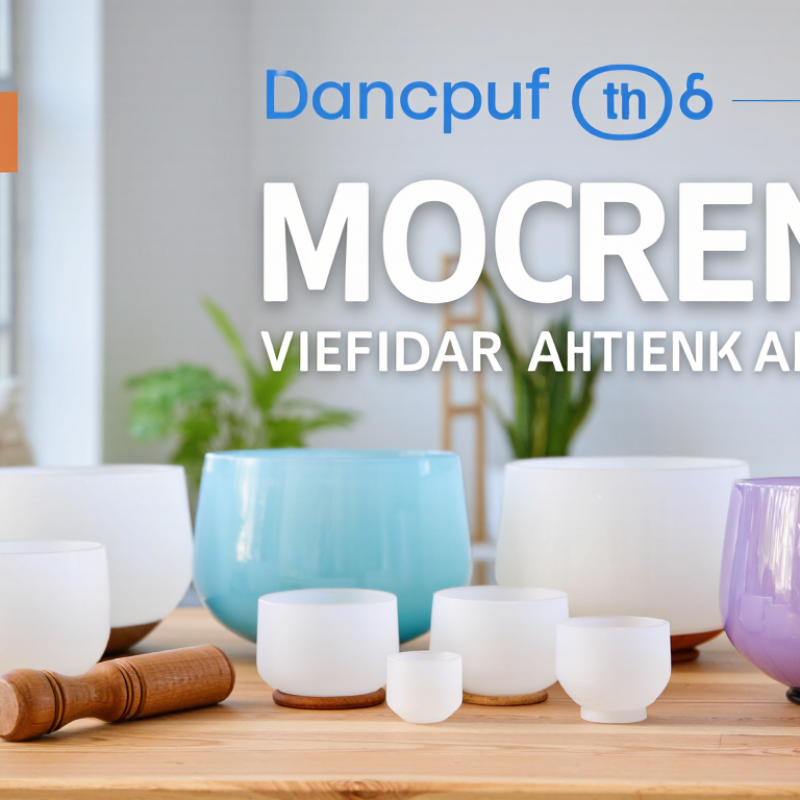
A crystal singing bowl is typically made from high-purity quartz shaped into a thick, open vessel. Run a rubber mallet gently around its rim, and friction sets the bowl vibrating. Strike it lightly, and its walls produce a clear tone that can linger in the room. Not magic. The sound comes from physical vibration, shaped by the bowl’s diameter, wall thickness, and how it is played. Quartz’s crystalline structure is distinctive, but the finished bowl’s shape matters greatly to its audible resonance.
The Global Wellness Institute’s Global Wellness Economy Monitor 2024 estimated the wellness economy at 6.3 trillion US dollars in 2023, with growth projected to nearly 9 trillion by 2028. That broad figure signals rising interest in wellness experiences; it does not prove that singing bowls deliver specific health benefits. In practice, two bowls may sound quite different, even when they look similar. Room acoustics matter, too: a hard, bare studio can make overtones ring sharply, while curtains soften them. I find the lingering sound compelling, though calling every sensation “healing” goes further than the evidence supports.
Why Are Crystal Singing Bowls So Popular? - What Crystal Singing Bowls Are and How Their Quartz Bodies Resonate
| Topic | What Is Known | Why It Matters |
| Basic material | Many crystal singing bowls are made from high-purity silica (quartz) powder that is heated and formed into a bowl. Manufacturing methods and material specifications vary. | The material and the bowl’s shape and thickness all influence its physical vibration and sound. |
| How the sound begins | Rubbing a mallet around the rim or striking the bowl makes its walls vibrate. Those vibrations set the surrounding air in motion, producing audible sound. | The playing technique affects how strongly the bowl sounds and how its tone develops over time. |
| Resonance | A bowl has natural vibration patterns, or resonant modes. When it is played, some of these modes are excited more strongly than others, creating a sustained tone and additional overtones. | The combination of prominent tones and overtones contributes to each bowl’s distinctive sound. |
| Pitch and bowl size | Bowl dimensions, wall thickness, material properties, and construction affect resonant frequencies. Bowl size alone does not determine an exact pitch. | There is no single standard frequency for a given bowl size; individual bowls should be evaluated by their actual sound. |
| Long-lasting tones | After the initial strike or friction, a bowl may continue sounding as its vibrations gradually lose energy. The decay time depends on the bowl and how it is played. | A lingering tone makes it possible to hear changes in loudness and timbre without continuously striking the bowl. |
| Why people enjoy them | Listeners often value their sustained, layered sound and their use in personal listening, music-making, meditation, or relaxation routines. | These are common uses and preferences, not proof that a bowl produces a specific medical or therapeutic effect. |
| Choosing and listening | Sound varies between bowls. Listening in person or to a clear recording can help assess tone, overtones, sustain, and comfort at a suitable volume. | Personal preference is useful because sound quality is subjective and cannot be described by pitch alone. |
How Bowl Size, Shape, and Playing Technique Change the Sound
Crystal singing bowls sound different because their dimensions shape how they vibrate. A larger bowl often produces a lower pitch, while a smaller one tends to sound higher. But size alone is not a reliable guide: wall thickness, rim shape, and the bowl’s proportions also affect resonance. Small differences matter. Compare bowls in the same room, since hard walls can exaggerate bright overtones.
Playing technique changes the sound just as noticeably. A gentle strike creates a brief, clear attack; rubbing a mallet around the rim builds a sustained tone. Pressure and speed can make that tone swell, pulse, or turn rough.
Listen close.
Uneven movement may create audible wavering, which some players enjoy and others find distracting.
In a 2017 observational study published in the Journal of Evidence-Based Complementary & Alternative Medicine, 62 participants reported lower tension after a singing-bowl sound meditation. The study examined Tibetan-style bowls, not crystal bowls, so it does not establish a special effect for quartz.
Treat the sound as an individual listening experience, not a guaranteed outcome.
Why Practitioners Use Crystal Bowls in Meditation and Wellness Sessions
Why Are Crystal Singing Bowls So Popular?
Practitioners use crystal singing bowls to create a steady sound during meditation and wellness sessions. A mallet drawn around the rim can produce a clear, lingering tone. The sound gives participants something simple to notice: its pitch, vibration, and gradual fade. For some, this makes it easier to settle into a quiet moment.
The bowls are also valued for shaping a session’s atmosphere. A practitioner might play one softly while people sit or lie down, leaving pauses between tones. There is no single response. Some listeners find the sound calming; others may find it intense or distracting. Sound can support a relaxing experience, but it is not a treatment for health conditions. That distinction matters.
Tips: Keep the volume comfortable, especially in a small room. Invite participants to choose a seat farther away or opt out. A short opening tone can help people adjust. Pay attention to their responses, not just the sound. It may take practice to use pauses well, and more sound is not always better.
What a 2017 Study of 62 Adults Found About Singing-Bowl Meditation
Why Are Crystal Singing Bowls So Popular?
What a 2017 Study of 62 Adults Found About Singing-Bowl Meditation
A singing bowl’s steady tone can make a busy room feel quieter. But does that feeling show up in research? A 2017 study followed 62 adults who took part in a singing-bowl meditation session. Participants completed questionnaires before and after the session, reporting their mood and sense of well-being. The researchers found lower self-reported tension, anger, fatigue, and depressed mood afterward. Participants also reported greater spiritual well-being. The shift was immediate. That may help explain why some people find bowl sessions calming.
The findings need careful framing. The study was observational, and it did not include a control group, so it cannot show that the bowls caused the changes. The results also came from participants’ own reports, not objective measures of stress. One more detail matters: the research examined singing-bowl meditation, not crystal bowls specifically. It should not be treated as proof that crystal bowls have unique health effects. Still, the study offers a useful snapshot of how adults felt after a session. A quieter breath, relaxed shoulders, or a softened mood can feel meaningful. They are not the same as evidence of a lasting benefit.
How U.S. Meditation Use Grew from 4.1% in 2012 to 14.2% in 2017
In the United States In the United States, reported meditation use among adults rose from 4.1% in 2012 to 14.2% in 2017. That shift was striking. It suggests meditation moved beyond a small circle of practitioners and into more everyday routines. A quiet room, a cushion, and a few minutes after work became familiar scenes for many people. The numbers do not tell us why each person started, or which practice they chose. They do show a broader interest in managing stress and making space for focused attention.
Crystal singing bowls fit naturally into this interest because their tones can make a session feel structured and sensory. A bowl’s low, lingering note may help listeners settle their attention, especially in a softly lit room. Some people find the sound calming. Others may find it distracting, and that is worth saying plainly. The statistics measure meditation, not bowl use, so they cannot prove that crystal bowls drove the increase. Their popularity is better understood as part of a wider search for accessible ways to pause, listen, and feel present. The effect is personal. It is not a guaranteed treatment.