A road bicycle is designed for efficient travel on paved roads. Its lightweight frame, drop handlebars, and narrow tires help riders maintain momentum over long distances. On a quiet country lane, that can mean a smooth roll, the soft hum of tires, and less effort spent fighting the wind. The appeal is practical, not just fast. A road bicycle can serve for fitness rides, commuting, and weekend routes, provided the bike fits the rider and the roads suit its tires.
Greg LeMond, a three-time Tour de France winner, captured cycling’s demand for steady effort: “It never gets easier, you just go faster.” That idea helps explain the road bicycle’s appeal: it rewards consistent pedaling and thoughtful pacing. But speed is only part of the choice. Frame size, saddle comfort, gearing, and handlebar position affect how a bike feels after an hour—not just during a quick test ride. A good fit matters.
There are trade-offs. Narrow tires can feel less forgiving on rough pavement, and a low riding position may not suit every body or preference. Rain, traffic, and carrying heavy loads can also change what feels practical. Small details count. This guide explores how road bicycles work, who may enjoy riding one, and what to consider before buying. It also leaves room for a useful question: is the fastest-looking bike really the right bike for your everyday roads?
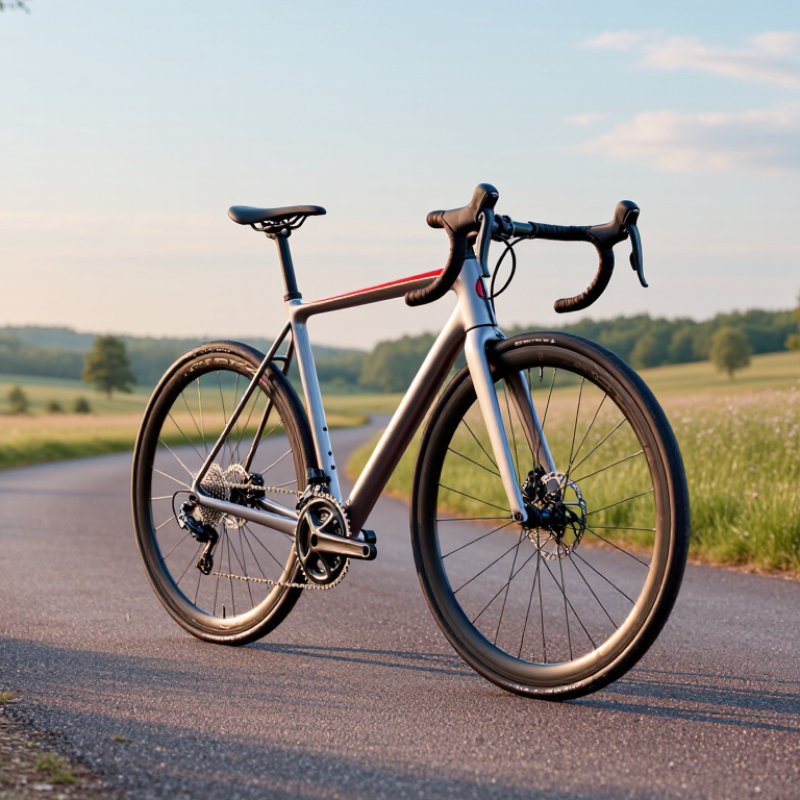
A road bicycle is built for paved surfaces, sustained speed, and efficient pedaling.
Its familiar features include drop handlebars, a relatively narrow tire profile, and geometry that places the rider leaning forward. These are design choices, not a checklist that every road bike must follow. Tire width, frame material, and gearing can vary with comfort and terrain. On a smooth road, narrow tires can feel quick; on rough pavement, they may feel unforgiving. Small details matter.
Standards help clarify the category. ISO 4210-2:2023 includes safety requirements for racing bicycles, distinguishing them within the broader family of bicycles. The UCI’s 2024 Technical Regulations specify wheel diameters from 550 to 700 millimeters for competition bicycles. Those figures describe regulated racing equipment, not every bicycle sold for road riding.
That distinction is easy to miss. In practice, a road bicycle’s defining character comes from its paved-road purpose, riding position, and efficient handling—not one measurement alone. A very aggressive posture may suit a race, but it can feel tiring on a long everyday ride. The best fit is sometimes less dramatic than expected.
A road bicycle is designed to turn each pedal stroke into forward motion with less wasted effort. Its low, stretched riding position helps reduce the rider’s frontal area, while drop handlebars offer several hand positions for changing posture on long rides. The details matter. A steady head position and elbows tucked close can make a noticeable difference when the wind picks up.
Aerodynamics becomes especially important as speed rises. Faria and colleagues’ 2005 review in Sports Medicine reports that air resistance can account for about 90% of the resistance faced by cyclists at racing speeds. That helps explain the narrow profile of road-bike frames and the emphasis on a close, efficient fit. Martin and colleagues’ 1998 road-cycling model in the Journal of Applied Biomechanics describes how aerodynamic power demand increases roughly with the cube of speed. A small speed increase can therefore require much more effort.
Road tires are also relatively narrow and run at carefully chosen pressures, reducing the effort needed to keep them rolling on smooth pavement. But the fastest setup is not always the most comfortable. A position that feels efficient for ten minutes may strain the hands or back after an hour. Fit is personal, and even experienced riders sometimes need to adjust their expectations.
A road bicycle turns ordinary miles into steady aerobic exercise. Its drop handlebars and narrow tires encourage an efficient position on paved roads, while the smooth rolling feel makes longer rides easier to sustain. The World Health Organization recommends adults get 150–300 minutes of moderate-intensity activity each week. A brisk ride can help fill that target while building cardiovascular endurance and leg strength. Start gently. Hills can make effort rise quickly, even on a familiar route.
Regular riding may also support health beyond fitness. A 2017 study in The BMJ followed 263,450 UK Biobank participants and found that cycling to work was associated with 41% lower all-cause mortality than non-active commuting. The researchers also reported lower cardiovascular and cancer mortality. These are associations, not proof that cycling alone caused the differences. Road rides offer practical benefits, too: commuting can replace some car journeys, and a quiet early-morning route can make exercise feel less like another appointment. But road surfaces, traffic, and weather matter. A narrow tire can feel unforgiving over rough pavement; choosing safer routes takes planning.
| Benefit | What Makes It Possible | Practical Value | Best Suited For | Things to Consider |
|---|---|---|---|---|
| Efficient on paved roads | Road bicycles are designed for paved surfaces, with a riding position and tires suited to maintaining momentum on the road. | Can make steady road rides feel more efficient than riding a bike designed primarily for rough terrain. | Road rides, paved paths, and fitness cycling. | Rough or loose surfaces may be less comfortable and capable than on a bicycle designed for those conditions. |
| Built for sustained riding | Drop handlebars offer multiple hand positions, allowing riders to adjust their posture during longer rides. | Changing hand position can help vary pressure and posture over the course of a ride. | Longer rides and riders who want several grip positions. | The drop-handlebar position may take practice, and a professional fit can help improve comfort. |
| Supports fitness goals | Riding provides aerobic exercise, with effort adjustable through pace, terrain, and ride duration. | Riders can build cycling into a regular exercise routine and progress at a manageable pace. | Cardio workouts, endurance training, and recreational exercise. | Start gradually and choose a pace appropriate to your fitness and experience. |
| Encourages longer-distance exploration | The road-focused design is suitable for covering distance on connected paved routes. | Opens up options for route planning, group rides, and day trips by bicycle. | Riders interested in exploring roads and linking destinations. | Plan for traffic, weather, route conditions, hydration, and basic repair needs. |
| Offers a range of riding styles | Road bicycles are used for recreational riding, commuting on suitable routes, group cycling, and structured training. | One bicycle can support different activities when its fit and setup match the rider’s needs. | People who want a road-oriented bicycle for more than one purpose. | Check that the frame size, gearing, tire clearance, and accessories suit the intended use. |
| Makes group riding accessible | Road cycling is commonly done in groups, with routes and pace chosen to suit participants. | Shared rides can add motivation, social connection, and opportunities to learn from other riders. | New and experienced riders who enjoy cycling with others. | Follow local road rules and group etiquette; choose a group with a suitable pace and distance. |
Road bicycles suit riders who enjoy covering distance on paved roads at a steady pace. Their lightweight frames and narrow, high-pressure tires roll efficiently on smooth asphalt, making longer rides feel less demanding. A commuter on clean city streets or a recreational rider on quiet country lanes may appreciate the direct, responsive feel. Small details matter. A correctly sized frame, comfortable hand position, and suitable gearing often matter more than chasing speed.
These bicycles work best on roads, paved paths, and well-maintained cycle routes. They handle gentle climbs and rolling terrain well, especially when the gearing matches the rider’s fitness and local hills. Rough gravel, deep potholes, and loose surfaces can feel harsh under narrow tires and may reduce control. After rain, painted road markings and metal covers can also become slippery, so smooth handling still requires attention.
Road bikes may not suit riders who want upright comfort, frequent stops, or one bicycle for mixed surfaces. A test ride can reveal whether the forward-leaning posture feels natural; it can also expose pressure in the hands or neck. That part is easy to underestimate. Tire width, saddle position, and gradual increases in ride distance can improve comfort, but personal fit varies. Some riders simply prefer a more relaxed style.
Why Choose a Road Bicycle?
Factors to Consider When Choosing a Road Bicycle
Choosing a road bicycle starts with where and how you will ride. Long, smooth routes favor an efficient position, while rough pavement calls for wider tires and room for lower pressures. Fit matters most. Check your reach to the handlebars, saddle height, and whether you can comfortably hold the drops. A short test ride can reveal pressure points that a size chart misses. I can still overthink frame numbers; comfort is harder to measure.
Budget for more than the frame. Compare the total weight, brake type, gear range, and tire clearance, then consider repair costs and the surfaces near home. Low gears help on steep climbs; wider tires can feel steadier on broken pavement. PeopleForBikes’ 2024 U.S. Bicycling Participation Report estimated that 112 million Americans rode a bicycle at least once in 2023. That figure describes participation, not the ideal bicycle for every rider, but it highlights how varied riding needs can be. Ask a qualified fitter or mechanic to check sizing and compatibility before buying. Bring your usual shoes, and test the brakes and shifting on a safe route. The first choice may not be perfect. A small fit adjustment can matter more than a lighter frame.
Factors to Consider When Choosing a Road Bicycle
Tire width is one factor to consider: narrower tires are common on race-focused bikes, while wider tires can offer more comfort and room for rougher surfaces. These ranges are typical examples, not fixed standards; specifications vary by bicycle and intended use.
Copyright © 2021 Payless Pet Products - All Rights Reserved.