Payless Pet Products

Payless Pet ProductsPayless Pet ProductsPayless Pet ProductsPayless Pet Products
  • Home
  • New Website
  • Fish Amoxi Forte 500mg
  • Fish Aug 625mg
  • Fish Cipro Forte
  • Fish Clinda Forte
  • Fish Doxy
  • Fish Fluco Forte
  • Fish Itra
  • Fish Keto
  • Fish Levo 500mg
  • Fish Zithro 250mg
  • Fish Zithro 500mg
  • Fish Zithro 1000mg

Payless Pet Products

Payless Pet ProductsPayless Pet ProductsPayless Pet Products
  • Home
  • New Website
  • Fish Amoxi Forte 500mg
  • Fish Aug 625mg
  • Fish Cipro Forte
  • Fish Clinda Forte
  • Fish Doxy
  • Fish Fluco Forte
  • Fish Itra
  • Fish Keto
  • Fish Levo 500mg
  • Fish Zithro 250mg
  • Fish Zithro 500mg
  • Fish Zithro 1000mg
How to Choose the Best Fish Tank Filter?

How to Choose the Best Fish Tank Filter?

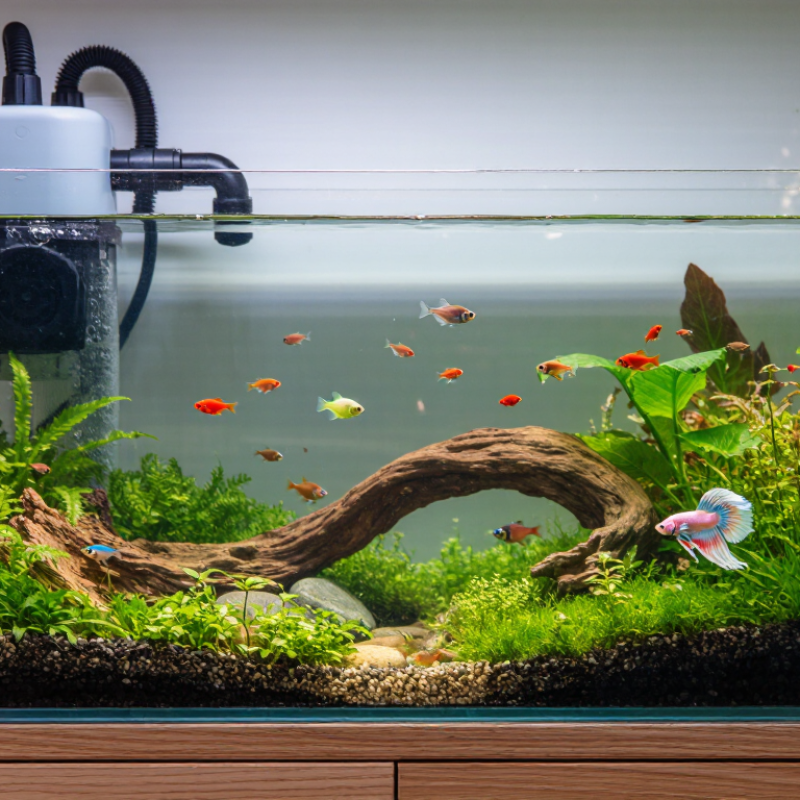
Choosing the best Fish Tank Filter is not about buying the largest model. It is about matching filtration to your aquarium, livestock, and maintenance habits. A small sponge filter may suit a quiet shrimp tank. A powerful canister filter may better support a planted community aquarium. The right choice should remove waste without pushing fish across the tank.

Aquarium educator Cory McElroy, founder of Aquarium Co-Op, says, “A filter is only as good as its maintenance.” That practical point deserves attention. Even an expensive filter can fail when its sponge becomes clogged with brown debris. Water may look clear, while ammonia rises unnoticed. Test kits, steady water movement, and regular cleaning provide stronger evidence than appearance alone. A filter should also operate quietly, especially in bedrooms or workspaces.

There is no perfect design for every aquarium. Hang-on-back filters offer convenience, but their flow can trouble slow swimmers. Internal filters save space, yet they may require frequent cleaning. Canister filters provide capacity, although beginners sometimes underestimate their maintenance demands. I would not choose by brand reputation alone. Check the manufacturer’s flow rating, media space, replacement costs, and safety record. Then consider your fish’s behavior. A betta needs gentler circulation than active danios.

The honest answer may feel less impressive. Bigger is not always better. Reliable filtration depends on biological media, oxygenation, and consistent care. This guide examines those details, so you can choose a Fish Tank Filter with clearer expectations and fewer expensive mistakes. Your aquarium may still require adjustment. That is normal.
How to Choose the Best Fish Tank Filter?
Table of Contents [Hide]
1 Define Filtration Goals: Mechanical, Biological, and Chemical Roles
2 Calculate Flow Capacity Using the 4–6× Hourly Turnover Benchmark
3 Match Filter Type to Tank Size, Stocking Level, and Bioload
4 Compare Media Volume, Flow Control, Noise, Energy Use, and Maintenance
5 Verify Safety, Reliability, and Manufacturer-Rated Aquarium Capacity

Define Filtration Goals: Mechanical, Biological, and Chemical Roles

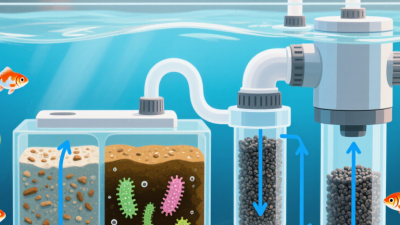
Choosing the best fish tank filter starts with defining your filtration goals. A filter should match your fish, tank size, feeding habits, and cleaning routine. Mechanical filtration removes visible waste, uneaten food, and plant debris. Look for suitable sponge or floss layers that trap particles without slowing water flow. Check the intake each week. A blocked intake can reduce circulation quickly.

Biological filtration protects water quality over time. Porous media provides surfaces where beneficial bacteria grow. These bacteria process toxic ammonia and nitrite produced by fish waste. The media needs steady oxygen-rich water, so avoid packing it too tightly. Never rinse biological media under untreated tap water. Chlorine can damage the bacterial population. Use removed tank water instead. This small detail matters. Still, biological filtration is not a substitute for water changes or sensible stocking.

Chemical filtration serves specific purposes rather than every situation. Activated carbon can reduce odors, discoloration, and some dissolved contaminants. It may also remove useful treatments from the water. Remove it when medication is required, unless a qualified aquatic professional advises otherwise. Test the water before adding chemical media. Clear water can still contain dangerous ammonia. A filter with all three stages is not automatically the best choice. In some tanks, excessive mechanical media needs frequent cleaning, while chemical media adds unnecessary expense. Reconsider the setup when fish behavior, water tests, or maintenance time changes.

Calculate Flow Capacity Using the 4–6× Hourly Turnover Benchmark

How to Choose the Best Fish Tank Filter?

Calculate Flow Capacity Using the 4–6× Hourly Turnover Benchmark

Start with your aquarium’s actual water volume, not its advertised capacity. A 100-liter tank usually needs a filter rated for 400–600 liters per hour. This range turns the water four to six times hourly. I prefer the higher end for messy fish or heavily planted tanks. Gentle fish may need less current. Watch their movement.

Manufacturers often measure flow without filter media or water resistance. Real performance can drop after adding sponges, ceramic media, tubing, and decorations. I once chose a filter by its box rating and found weak circulation after several weeks. That mistake taught me to leave a safety margin. Aim slightly above the calculation, then adjust the outlet direction. Strong flow should not push fish constantly across the tank.

Tips: Measure flow after setup. Use a timer and collect outlet water for one minute, then multiply that amount by 60. Check for quiet areas behind plants and near the substrate. Clean clogged media gently, but avoid replacing all beneficial media at once. A filter that is technically powerful may still perform poorly if its intake sits behind a rock. Observe the aquarium daily. Clear water alone does not prove healthy filtration.

Match Filter Type to Tank Size, Stocking Level, and Bioload

How to Choose the Best Fish Tank Filter?

Choosing a filter begins with the tank’s water volume, not its appearance. A small aquarium with six active fish may create more waste than a larger tank with two calm fish. Match the filter’s rated capacity to your tank size, then consider the stocking level and bioload. For lightly stocked tanks, a sponge filter can provide gentle flow and useful biological filtration. It suits fry, shrimp, and fish that dislike strong currents. Hang-on or canister-style filters may work better for heavily stocked aquariums because they offer stronger mechanical and biological filtration. However, excessive flow can exhaust slow swimmers and scatter food.

During routine maintenance, check the water surface for steady movement and test ammonia, nitrite, and nitrate regularly. Clear water does not always mean safe water. A filter packed with debris can reduce flow while still looking functional. I have also seen aquarists choose oversized filters, then struggle with stressed fish and constantly moving plants. More capacity is helpful, but adjustment remains important. Filter ratings are useful guidelines, not guarantees, because media condition, feeding habits, and fish size change the bioload.

Tips: Count fish waste, not just fish length. Rinse biological media gently in removed tank water, never under untreated tap water. Replace only part of the media when needed. Watch the fish; hiding, gasping, or avoiding the current suggests that your setup needs reconsideration.

How to Choose the Best Fish Tank Filter? — Match Filter Type to Tank Size, Stocking Level, and Bioload

Tank Size Typical Stocking and Bioload Recommended Filter Type Target Turnover per Hour Approximate Effective Flow Recommended Media Capacity Best Use Case Important Selection Notes
Up to 10 gal / 38 L Lightly stocked shrimp, snails, or a few small fish; low bioload Air-driven sponge filter 4–6 times the tank volume 40–60 gal/h
(150–230 L/h)
Large, coarse sponge relative to the tank size Small, gentle aquariums and quarantine tanks Choose an adjustable air supply. Use a pre-filter or fine sponge to protect shrimp and fry. Avoid excessive current in very small tanks.
10–20 gal / 38–76 L Light to moderate stocking of small community fish; low to medium bioload Sponge filter or small hang-on-back filter 4–6 times the tank volume 80–120 gal/h
(300–455 L/h)
At least one mechanical stage plus substantial biological sponge or porous media Betta-safe community tanks, shrimp tanks, and small planted aquariums For a hang-on-back filter, use an intake pre-filter and baffle the outlet if the flow is too strong. Favor adjustable flow over maximum advertised flow.
20–40 gal / 76–151 L Moderately stocked community aquarium; medium bioload Hang-on-back filter or internal power filter 5–7 times the tank volume 100–280 gal/h
(380–1,060 L/h)
Multiple media stages: mechanical, biological, and optional chemical General freshwater community tanks Use the manufacturer's clean-filter flow as a starting point, then select a unit with adjustable flow because actual flow decreases as media becomes dirty.
40–75 gal / 151–284 L Moderate stocking of community fish, livebearers, or peaceful cichlids; medium bioload Large hang-on-back filter or canister filter 5–8 times the tank volume 200–600 gal/h
(760–2,270 L/h)
Room for layered mechanical and biological media Established community aquariums with varied fish sizes Two smaller filters can provide better circulation and redundancy than one oversized unit. Direct the return across the surface for gas exchange.
75–125 gal / 284–473 L Moderate to heavy stocking; medium to high bioload Canister filter, sump, or dual-filter system 6–8 times the tank volume 450–1,000 gal/h
(1,700–3,785 L/h)
High-volume biological media with accessible mechanical pre-filtration Large community tanks, planted displays, and aquariums with many active fish Calculate flow after accounting for lift height, tubing, fittings, and media resistance. Provide broad circulation rather than a single high-velocity jet.
125+ gal / 473+ L Heavy stocking or large fish; high bioload Large sump or multiple canister filters 6–10 times the tank volume 750–1,500+ gal/h
(2,840–5,680+ L/h)
Very high biological capacity plus oversized mechanical pre-filtration Large cichlids, predator aquariums, and heavily stocked displays Use multiple intake and return points where possible. Large fish produce substantial solid waste, so mechanical media must be easy to remove and rinse.
Any size: lightly stocked planted tank Few fish, abundant plants, regular maintenance; low to medium bioload Sponge, internal, hang-on-back, or canister filter 4–6 times the tank volume Based on actual tank volume and desired circulation Moderate biological media; avoid unnecessarily aggressive chemical media Planted aquariums where gentle, even circulation is preferred Do not rely on plants to replace filtration. Protect beneficial bacteria by rinsing media in removed aquarium water instead of untreated tap water.
Any size: heavily stocked or messy fish Large cichlids, goldfish, plecos, turtles, or frequent feeding; high bioload Sump, large canister, or two complementary filters 8–10 times the tank volume Choose capacity above the minimum and verify real operating flow Oversized mechanical media plus generous biological media Systems with rapid waste accumulation High turnover cannot compensate for inadequate maintenance. Remove solid waste regularly and avoid packing media so tightly that water bypasses it.
Any size: fry, shrimp, or slow-moving fish Low to moderate bioload, but livestock is sensitive to suction or strong current Sponge filter or protected intake on another filter 3–6 times the tank volume Use gentle, evenly distributed flow Fine or layered sponge media with a large surface area Breeding tanks, shrimp aquariums, and delicate species Cover every intake with a fine pre-filter. Reduce outlet velocity with a spray bar, sponge, or flow diffuser while maintaining surface movement.
Any size: marine fish-only system Moderate to high bioload; protein skimming may also be used Sump, canister, or strong mechanical filtration 8–10 times the tank volume for circulation and filtration Confirm that the return pump maintains adequate flow at operating head height Easy-to-clean mechanical media and high-capacity biological media Saltwater fish-only aquariums Use corrosion-resistant equipment. In marine systems, filtration is only one part of nutrient control; water changes, source-water quality, and maintenance remain essential.

Calculation guide: Target flow = actual aquarium volume × desired turnover rate. Select equipment using its real operating flow, because published maximum flow is commonly measured without dirty media, elevation, or restrictive tubing. Turnover is a starting point; fish behavior, tank shape, surface agitation, and maintenance frequency should also determine the final choice.

Compare Media Volume, Flow Control, Noise, Energy Use, and Maintenance

How to Choose the Best Fish Tank Filter?
Compare Media Volume, Flow Control, Noise, Energy Use, and Maintenance

A good filter should match the tank, fish, and feeding habits. Start with media volume, not the advertised flow rate. More media usually supports steadier biological filtration and longer intervals between cleaning. However, a large chamber is useless if water bypasses the media. Check how tightly each tray seals and whether replacement media is easy to find.

Flow control matters for fish that dislike strong currents. I prefer adjustable output because a tank may change after plants grow or stocking increases. Aim for gentle circulation across the whole aquarium, with no dead corners behind decorations. Excessive flow can stress slow swimmers and scatter food. Watch the fish, not only the specification sheet.

Noise reveals problems early. A stable filter should not rattle, hiss, or vibrate against the glass. Place a hand beneath it and check for vibration. Energy use also matters over years, so compare wattage at the required flow, not maximum flow. Maintenance should be simple: accessible impellers, washable pre-filter sponges, and clear cleaning intervals. I once chose a quiet filter with a cramped media basket. Cleaning became frustrating. That mistake taught me to inspect the parts before buying. Rinse biological media in removed aquarium water to protect beneficial bacteria, and replace worn parts before performance drops. Some advice online sounds universal, but every aquarium behaves differently.

How to Choose the Best Fish Tank Filter?

Comparison of typical filter types by media capacity, flow control, noise, energy efficiency, and maintenance convenience.

The chart uses a 1–5 suitability score based on typical specifications. Higher scores indicate more media capacity, better flow control, quieter operation, lower energy use, or easier maintenance.

Filter type Typical media volume Typical flow Typical noise Typical power Typical cleaning interval
Sponge filter 0.2–1.0 L 100–800 L/h 18–28 dBA 2–8 W Every 1–3 weeks
Internal filter 0.3–1.5 L 200–1,000 L/h 25–35 dBA 3–12 W Every 1–2 weeks
Hang-on-back filter 0.5–2.5 L 300–1,500 L/h 30–45 dBA 4–15 W Every 2–4 weeks
Canister filter 2–8 L 400–2,000 L/h 25–40 dBA 8–30 W Every 1–3 months
Fluidized-bed filter 0.5–3.0 L 300–1,200 L/h 25–40 dBA 4–15 W Every 2–4 weeks

Actual performance varies with aquarium size, water depth, media loading, pump condition, and installation. Flow ratings are usually measured with clean media and may decrease during use.

Verify Safety, Reliability, and Manufacturer-Rated Aquarium Capacity

How to Choose the Best Fish Tank Filter?

A suitable filter should match your aquarium’s actual water volume, not its advertised size alone. Check the manufacturer-rated aquarium capacity before buying, then compare it with your tank’s filled volume. Substrate, decorations, and plants reduce available water. Measure carefully. A filter rated for 100 liters may struggle in a heavily stocked aquarium. In my experience, choosing modest extra capacity helps maintain clearer water and steadier circulation. However, excessive flow can stress slow-moving fish and disturb delicate plants.

Safety deserves close inspection. Look for secure covers, insulated electrical parts, stable suction cups, and a power cord that stays dry above the outlet. The filter should restart reliably after a power interruption. Test it in a partially filled setup before adding fish. Listen for rattling, grinding, or irregular vibration. These signs may indicate trapped debris, a loose impeller, or poor construction. Do not ignore small faults.

Reliability depends on maintenance as much as design. Confirm that replacement media and mechanical parts are available from the manufacturer. Read cleaning instructions and inspect the impeller every few weeks. A filter that needs complicated care may eventually receive none. That is a practical weakness. Manufacturer claims also deserve careful checking. Capacity ratings often assume light stocking and regular maintenance. Your aquarium may be messier. Choose based on observed water movement, fish behavior, and test results, not numbers alone.

Related Posts

  • What Is a Fish Tank Filter and How Does It Work?

    What Is a Fish Tank Filter and How Does It Work?

  • What is the Ultimate Guide to the Best Fish Aquarium Products for Global Buyers

    What is the Ultimate Guide to the Best Fish Aquarium Products for Global Buyers

  • China Best Fish Aquarium Products Supplier for Global Buyers

    China Best Fish Aquarium Products Supplier for Global Buyers

  • Challenges in Finding the Best Buy Pet Products Online: What You Need to Know

    Challenges in Finding the Best Buy Pet Products Online: What You Need to Know

  • China Top Fish Aquarium Products Wholesale Suppliers

    China Top Fish Aquarium Products Wholesale Suppliers

  • What is the Secret to Choosing the Best Fish Tank for Your Home

    What is the Secret to Choosing the Best Fish Tank for Your Home

Blog Tags:

  • Aquarium Filter Wholesale
  • Fish Tank Filter Manufacturer
  • Aquarium Filter Supplier
  • Aquarium Filter Bulk
  • Commercial Aquarium Filters
  • Fish Tank Filtration System

Copyright © 2021 Payless Pet Products - All Rights Reserved.