Why Are Pet Items Online So Popular Worldwide?
Pet Items Online has moved from a niche convenience to an everyday way for people to care for their animals. A dog owner can reorder familiar kibble while waiting for the kettle to boil. A cat guardian can compare scratching posts without carrying a bulky box home. These small moments help explain the appeal. Online stores offer choice, doorstep delivery, and time to read product details.
Veterinarian Dr. Marty Becker has long emphasized thoughtful, individualized pet care. In that spirit, a useful guiding line is: “Choose for the animal in front of you, not just the trend on the screen.” This is an editorial framing, not a verbatim quotation. It points to an important limit: a popular harness may not fit every dog, and a highly rated bed may not suit every cat. Convenience helps. Careful judgment still matters.
This article explores why Pet Items Online attracts shoppers across regions, from broad product selection to reviews and recurring deliveries. It also considers what online shopping cannot show clearly: a toy’s actual size, a fabric’s texture, or whether a bowl stays steady on the kitchen floor. Those details matter. The online experience is useful, but not perfect. Comparing measurements, ingredients, and return policies can make a purchase more informed. A little skepticism belongs here, too. Popular does not always mean right for your pet.

What Pet Items Include in the Online Market
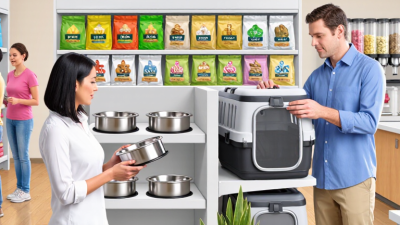
The online pet market includes everyday essentials and smaller specialist items. Shoppers can browse dry food, wet food, treats, bowls, leashes, carriers, beds, litter, grooming tools, toys, and cleaning supplies. Some retailers also list supplements and basic health-care products. A practical example is a cat owner ordering litter with a scoop, or a dog owner comparing harness sizes before a walk. The range is broad. But product labels do not always make quality easy to judge.
Grand View Research estimated the global pet care e-commerce market at US$23.01 billion in 2023, with projected annual growth of 8.3% from 2024 to 2030. Its estimate reflects a wider online category, not just food or accessories. In the United States, the American Pet Products Association reported US$32 billion in 2023 spending on supplies, live animals, and over-the-counter medicine; that figure covers retail channels beyond online sales. The distinction matters. Online listings may show dimensions, materials, and feeding details, but photos cannot reveal a bed’s true firmness or a toy’s durability. Buyers still need to check sizing, ingredients, and care instructions, and the information can be uneven.
| Product Category | Common Items | Why Shoppers Buy Online | Useful Comparison Factors |
|---|---|---|---|
| Food and Treats | Dry food, wet food, treats, food toppers, and specialized diets | Many products are regularly repurchased, and online listings make it easier to compare ingredients, package sizes, and feeding information. | Life stage, ingredient list, dietary needs, package weight, storage requirements, and delivery frequency |
| Health and Grooming | Brushes, shampoos, nail clippers, dental-care supplies, and waste bags | Detailed descriptions and customer reviews can help shoppers compare tools and routine-care products without visiting multiple stores. | Pet size and coat type, product ingredients, intended use, safety instructions, and item dimensions |
| Toys and Enrichment | Chew toys, puzzle feeders, balls, scratching posts, and interactive toys | Images, videos, and reviews help shoppers assess how a toy works and whether it may suit a pet’s play style. | Material, durability, size, supervision guidance, cleaning instructions, and play style |
| Beds and Furniture | Pet beds, blankets, crates, carriers, cat trees, and ramps | Online catalogs offer a wide range of sizes and designs, while measurement guides help buyers check fit before ordering. | Product dimensions, pet measurements, materials, washable components, assembly, and shipping size |
| Walking and Travel | Collars, harnesses, leashes, identification tags, travel carriers, and seat restraints | Shoppers can compare styles and sizing information across many options, including products designed for different activities. | Fit and adjustability, material, weight limits, attachment points, visibility, and travel requirements |
| Training and Behavior | Training pads, clickers, gates, treat pouches, and training aids | Product guides and reviews can help owners understand intended uses and compare options for home training routines. | Pet age and size, intended training use, reusable or disposable design, setup, and care instructions |
| Habitat and Everyday Supplies | Litter, litter boxes, bowls, water fountains, aquariums, and habitat accessories | Bulky or frequently needed supplies can be convenient to order for delivery, and listings often provide capacity and dimension details. | Capacity, dimensions, compatibility, cleaning needs, replacement parts, and delivery cost |
| Apparel and Accessories | Coats, rainwear, booties, cooling accessories, and reflective gear | Online size charts and product photos help shoppers explore styles and compare options that may not be available locally. | Measurements, fit, weather suitability, fabric care, fastening style, and visibility |
Online pet shopping is popular because it offers broad selection, convenient reordering, home delivery, and product information that supports comparison. Product suitability still depends on the individual animal, so shoppers should check sizing, ingredients, safety guidance, and care instructions.
Related Posts
-

China Top 10 Online Pet Retailers for Global Buyers?
-

Where to Find Top Online Pet Supply Suppliers in China?
-

How to Choose the Best Online Pet Retailers for Your Furry Friends
-

Discover the Top 10 Unique Pet Products You Can Only Find Online
-

10 Compelling Reasons to Buy Pet Products Online Today
-
How to Source Pet Merchandise in 2026?